Tag

Deuterium

All articles tagged with #deuterium

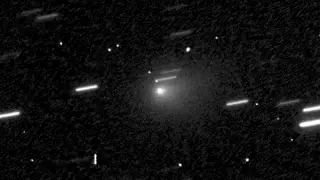
Interstellar Comet 3I/ATLAS Carries Unprecedented Heavy Water, Hinting at Cold Birth
space18 days ago

Interstellar Comet 3I/ATLAS Carries Unprecedented Heavy Water, Hinting at Cold Birth

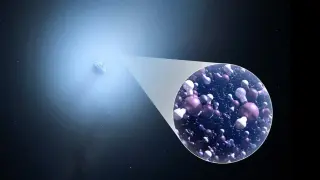
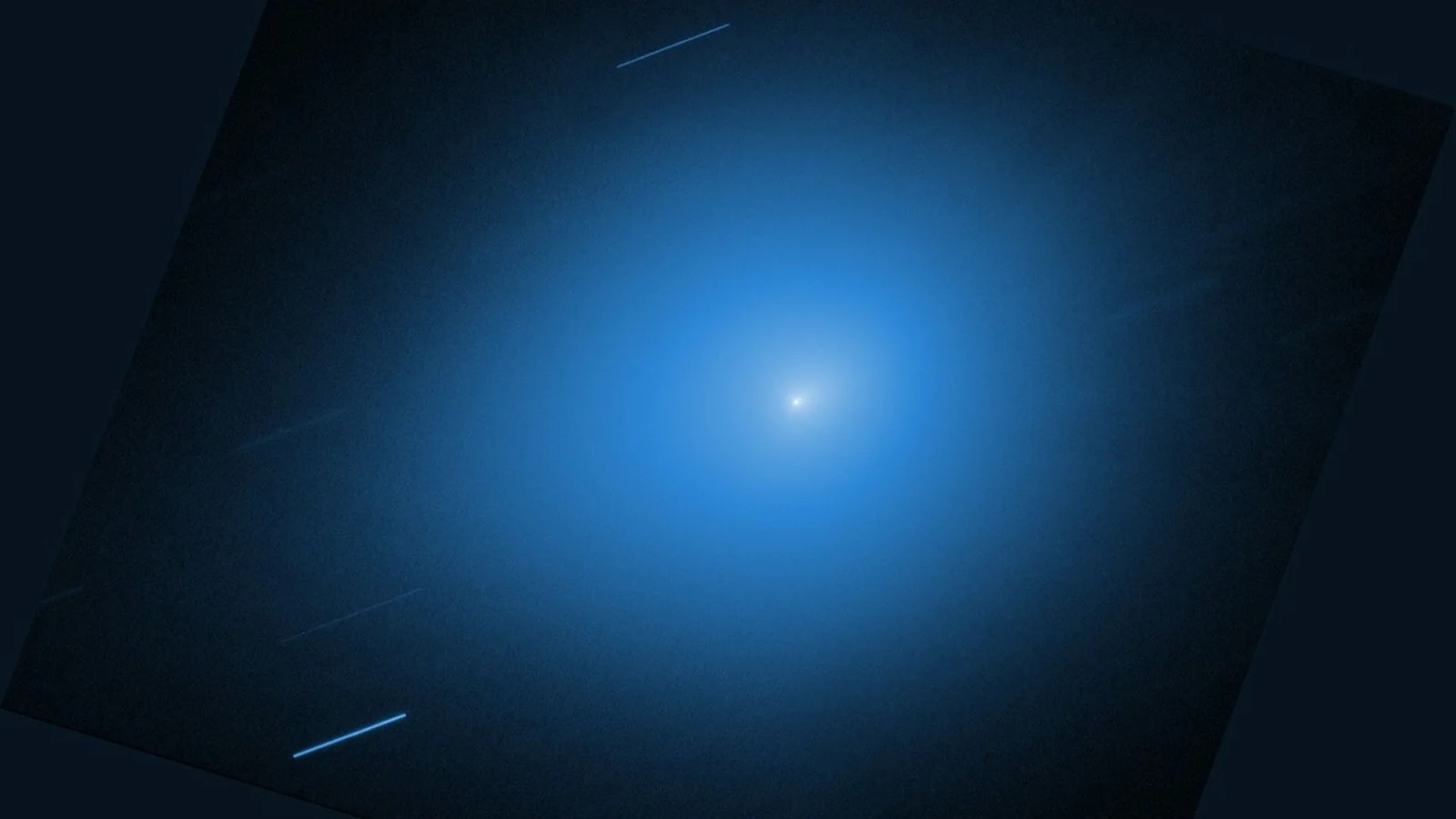
Astronomers analyzing the interstellar comet 3I/ATLAS found an exceptionally high amount of heavy water (deuterium-rich water), suggesting it formed in a much colder, lower-radiation environment than our solar system. This marks the first successful water analysis of an interstellar object and points to diverse planetary-forming conditions across the galaxy, with future studies likely to reveal more such visitors as observational capabilities improve.

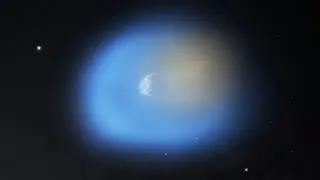
Interstellar Comet 3I/ATLAS Highlights Solar System Uniqueness
science1 month ago

Interstellar Comet 3I/ATLAS Highlights Solar System Uniqueness

ALMA and JWST observations of interstellar comet 3I/ATLAS reveal a striking excess of heavy water, indicating it formed in a much colder environment and likely experienced limited thermal processing. This enrichment suggests its origin differs markedly from our solar system’s history, underscoring that our solar system may be unusual and pointing to rich future discoveries of interstellar material with upcoming telescopes.

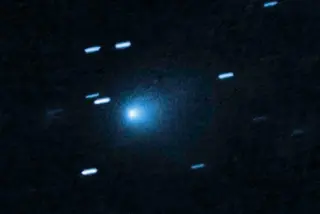
3I/ATLAS Traces Ultra-Cold Origins of an Interstellar Comet
science1 month ago

3I/ATLAS Traces Ultra-Cold Origins of an Interstellar Comet

Astronomers using the ALMA Observatory found that interstellar comet 3I/ATLAS contains unusually high deuterium in its water, implying it formed in a very cold, loner star-forming region long before the Sun. The object could be the oldest known interstellar visitor (up to about 11 billion years old); its nucleus is estimated to range from a quarter-mile to 3.5 miles (440 meters to 5.6 kilometers) across, and it is speeding away from the Sun at roughly 137,000 mph. The findings, published in Nature Astronomy, add context to other interstellar visitors like Oumuamua and 2I/Borisov.

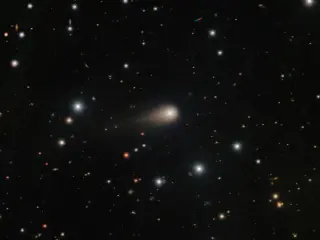
Ancient interstellar visitor 3I/ATLAS could be a 10–12 billion-year relic from the Milky Way
space1 month ago

Ancient interstellar visitor 3I/ATLAS could be a 10–12 billion-year relic from the Milky Way

New JWST/NIRSpec analysis of interstellar comet 3I/ATLAS finds an unusually low carbon-13 to carbon-12 ratio and significant deuterium enrichment, implying it formed very early in the Milky Way’s history. Modeling suggests 3I/ATLAS may be 10–12 billion years old, potentially originating from a thick-disk star system, making it one of the oldest interstellar visitors and perhaps a relic from a vanished stellar neighborhood. The age estimate is not yet peer‑reviewed and is available via a preprint, with researchers noting ongoing uncertainty but tantalizing clues about ancient planet formation beyond our galaxy.

Deuterium Signals in 3I/ATLAS Spur Fusion Talk, Not Alien Proof
science2 months ago

Deuterium Signals in 3I/ATLAS Spur Fusion Talk, Not Alien Proof

New JWST analyses of the interstellar visitor 3I/ATLAS reveal unusually high deuterium in its gases, suggesting formation in extremely cold, metal-poor regions billions of years ago. Two Nature Astronomy papers argue the isotope pattern could be a natural relic rather than evidence of alien technology, while Avi Loeb questions the interpretation and notes deuterium as potential fusion fuel. Overall, the findings point to a natural origin and do not prove extraterrestrial engineering.

Study Suggests Comets Brought Water to Earth and Other Planets
science1 year ago

Study Suggests Comets Brought Water to Earth and Other Planets

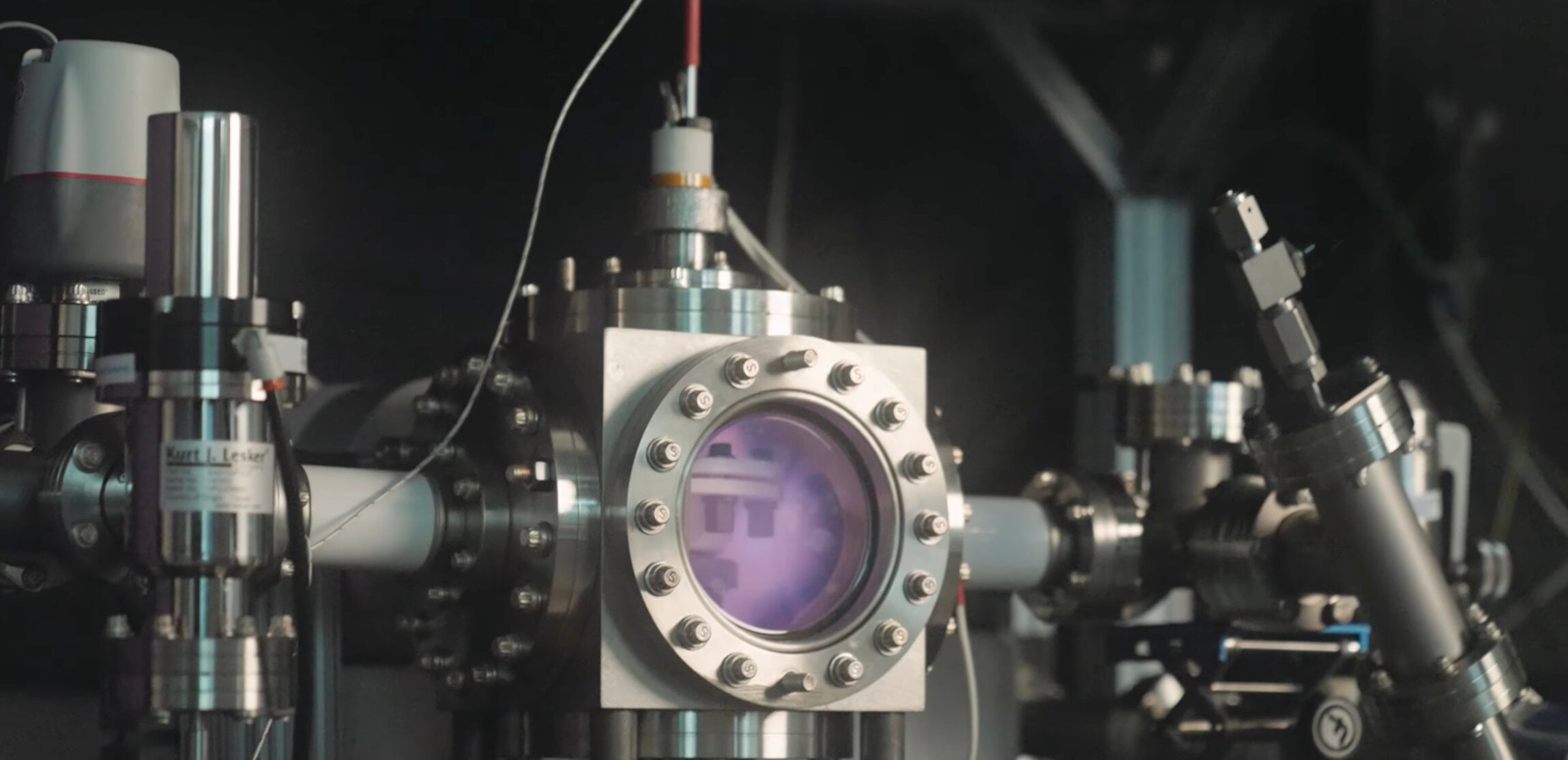
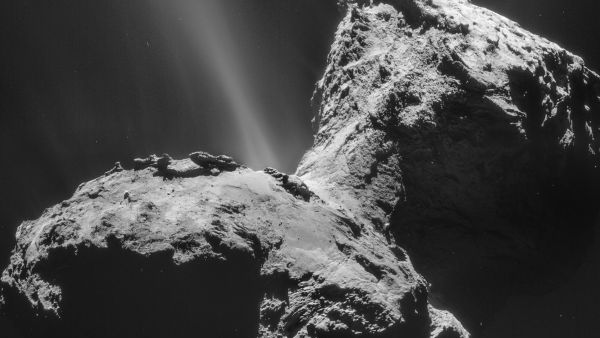
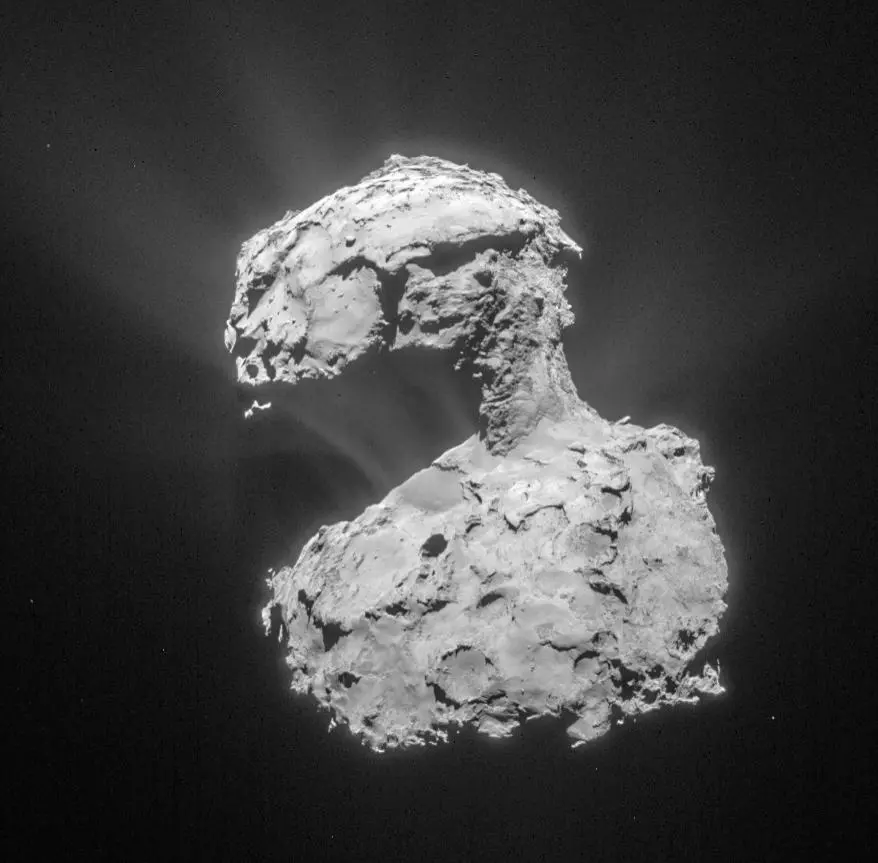
A new study suggests that comets may have delivered water to Earth, despite previous doubts raised by the 2014 Rosetta mission's findings. The mission found high deuterium levels in comet 67P, conflicting with Earth's water signature. Researchers now propose that cometary dust may have skewed these measurements, as deuterium-rich water adheres to dust grains, potentially altering observed ratios. This insight supports the theory that Jupiter-family comets contributed to Earth's water supply.

NASA Study Suggests Comets Brought Water to Earth
science1 year ago

NASA Study Suggests Comets Brought Water to Earth

A NASA-led study has found that water on Comet 67P/Churyumov–Gerasimenko shares a similar molecular signature with Earth's oceans, suggesting comets could have contributed to Earth's water supply. This challenges previous findings from the Rosetta mission, which showed high deuterium levels in 67P's water. The new research indicates that cometary dust may have skewed earlier measurements, reopening the debate on comets' role in delivering water to Earth and offering insights into the early solar system's formation.