
Australian seabirds set new plastic ingestion record with 894 pieces
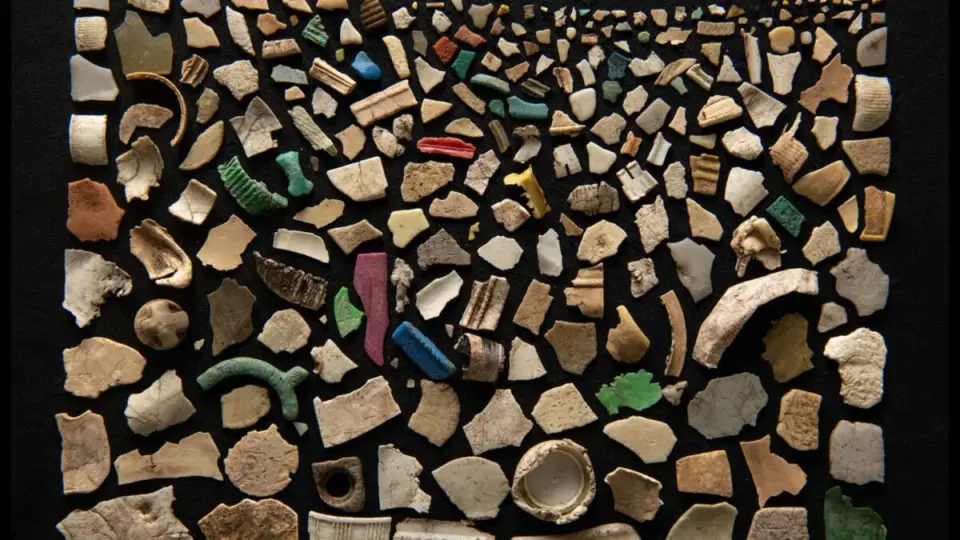
Researchers on Australia’s Lord Howe Island discovered a dead sable shearwater containing 894 pieces of plastic, a new record that exceeds the previous year’s count of 778. The ingested plastic weighed 64.2 grams, representing over 15% of the bird’s body weight. This finding, part of a 16-year study, highlights a sharp rise in plastic exposure among seabirds since 2023, driven by parents mistaking ocean debris for food. Experts warn that even if plastic production stopped today, ocean pollution levels would continue to rise until 2050, necessitating stricter legislation like mandatory attached bottle caps.
Key points
- A fledgling sable shearwater found dead on Lord Howe Island contained 894 pieces of plastic, breaking the previous record of 778 pieces set in 2025.
- The plastic load weighed 64.2 grams, equivalent to 15% of the bird’s body weight, or roughly 12 kilograms for an 80-kilogram human.
- A 16-year study by the Adrift Lab and the Natural History Museum, London, shows a sudden jump in plastic ingestion starting in 2023, with records broken annually since then.
- Researchers attribute the increase to parent birds mistaking floating waste, including bottle caps and nurdles, for food and feeding it to their young.
- Scientists emphasize that existing ocean plastic will continue to increase until 2050 even if production ceased immediately, underscoring the need for long-term monitoring and digital data sharing.
Background
In 2012, researchers identified a sable shearwater with 276 pieces of plastic, which was initially considered the worst-case scenario for survival. This record stood until 2023, when a bird was found with over 400 pieces. The current escalation reflects a broader trend of increasing marine waste, with previous records broken in 2024 and 2025, indicating a consistent and accelerating decline in marine health.
How outlets are covering it
Both Gizmodo and Metro.co.uk report the 894-piece record and the 15% body weight statistic, but they differ in framing the timeline. Gizmodo notes a 16-year data span and highlights the 2025 record of 778 pieces, while Metro.co.uk references a 15-year investigation and cites the 2023 breakthrough of over 400 pieces. Both sources agree on the cause: parental misidentification of plastic as food. However, Gizmodo emphasizes the emotional toll on researchers and mentions experimental solutions like converting plastic to fuel, whereas Metro.co.uk focuses on the necessity of the Global Plastics Treaty and the inevitability of rising pollution levels until 2050 despite immediate production stops.
Why it matters
The record-breaking plastic ingestion demonstrates that current mitigation efforts are insufficient to protect marine wildlife. The trend indicates that plastic pollution is accelerating, not stabilizing, even as international negotiations proceed. The findings underscore the urgent need for legislative changes, such as requiring bottle caps to remain attached to containers, and highlight that existing ocean waste will persist for decades, requiring long-term monitoring and data sharing to track impacts effectively.
What to watch
Researchers will continue long-term monitoring of plastic ingestion in seabirds and advocate for digital data sharing to track pollution trends. As negotiations for the Global Plastics Treaty advance, policymakers are expected to consider measures like mandatory attached bottle caps to reduce specific types of marine debris. The scientific community will also focus on understanding the long-term impacts of existing plastic waste, which is projected to increase until 2050 even if new production stops.
Want the full story? Read the original reporting
Read on Gizmodo