
Golden Gate Canyon Becomes Colorado's First Urban Night Sky Place
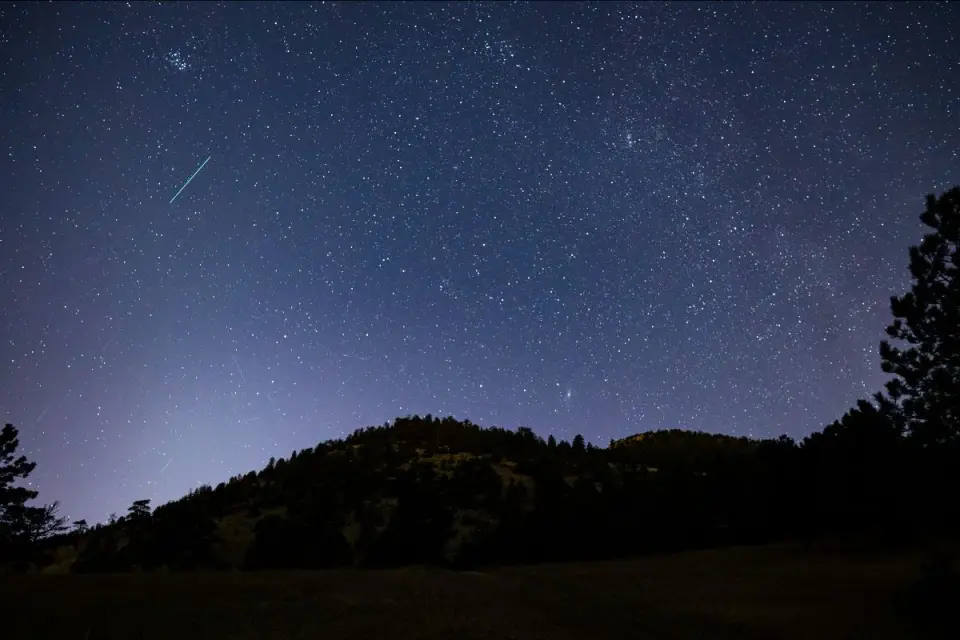
Golden Gate Canyon State Park in Gilpin County has been certified by DarkSky International as an Urban Night Sky Place, marking the first such designation in Colorado. The certification recognizes the park’s efforts to mitigate light pollution despite its proximity to Denver. This follows the 2020 DarkSky Park designation of Jackson Lake State Park, which had stricter standards due to its remote location. The new status aims to improve wildlife habitats, boost tourism through stargazing events, and preserve natural night skies for visitors.
Key points
- Golden Gate Canyon State Park received Urban Night Sky Place certification from DarkSky International in September 2026, becoming the first location in Colorado to achieve this specific status.
- The certification acknowledges the park’s mitigation of light pollution near Denver, contrasting with Jackson Lake State Park’s 2020 DarkSky Park designation, which required stricter standards due to its remote location.
- Gilpin County implemented a light ordinance requiring downward-facing fixtures, warmer light temperatures, and shields to prevent light trespass, aided by DarkSky ambassador Carolyn Collins Petersen.
- Park staff updated nearly half of the 120 light fixtures and expanded astronomy programming from one event in 2023 to a couple dozen by the end of 2026.
- Dark skies improve wildlife habitats, reduce insect pests, and support bat populations, as demonstrated by a 2023 pilot survey at Jackson Lake State Park.
- The Colorado Tourism Office launched the Colorado Stargazing Trail in June 2026 to promote certified dark sky locations, with over 30 sites, including 12 state parks, currently pursuing certification.
Background
Colorado has a growing number of DarkSky certified locations, including Dinosaur National Monument, Great Sand Dunes, Black Canyon of the Gunnison, and Mesa Verde National Parks. Nine communities, such as Breckenridge and Lake City, also hold designations. The Colorado Tourism Office’s Dark Sky Certification Program provides resources to help destinations achieve certification, aligning with strategic plans to enhance sustainable tourism. Earlier in November 2026, the Andromeda Galaxy was visible to the naked eye, highlighting the importance of dark skies for astronomical observation.
Why it matters
The certification demonstrates that urban-adjacent areas can mitigate light pollution to protect ecological and recreational values. It supports sustainable tourism by attracting stargazers year-round, reduces energy consumption, and enhances quality of life. The success of Golden Gate Canyon serves as a model for other Colorado locations pursuing DarkSky certification, contributing to the state’s potential to lead globally in dark sky preservation.
What to watch
More than 30 Colorado locations, including 12 state parks, are pursuing DarkSky certification. The Colorado Tourism Office will continue supporting these efforts through its Dark Sky Certification Program and the Colorado Stargazing Trail. Visitors can take advantage of November’s astronomical events, including the Northern Taurid meteor shower on November 12, the Leonid meteor shower from November 17-18, and the first supermoon on November 24, at certified dark sky locations.
Want the full story? Read the original reporting
Read on The Colorado Sun