
Five Simple Morning Exercises to Boost Balance for Adults Over 65
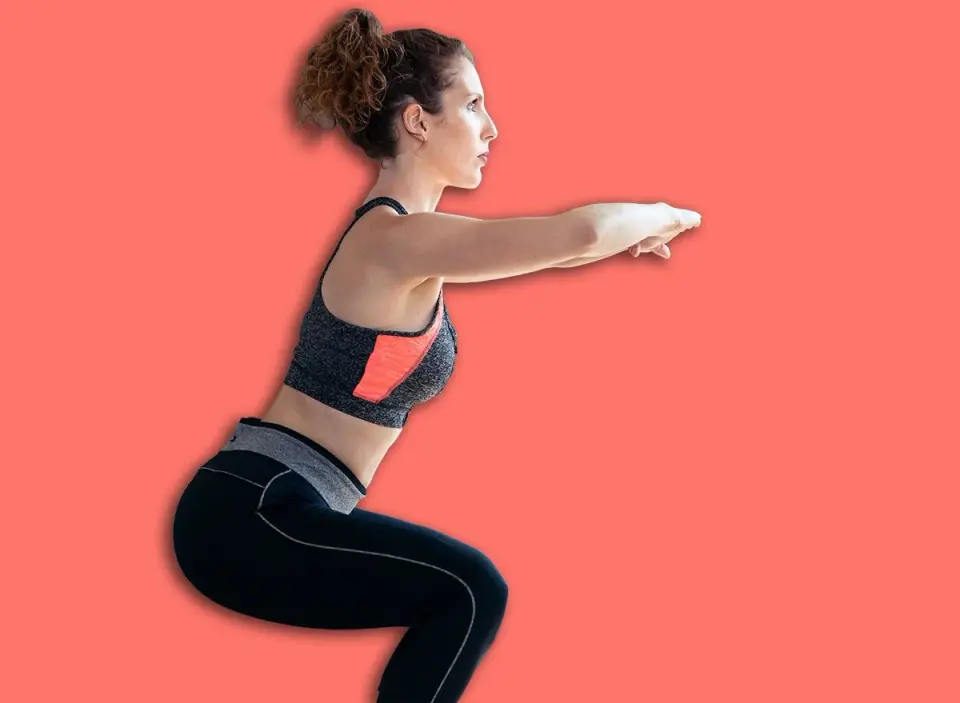
A recent article from Eat This Not That highlights five simple morning exercises recommended by Club Pilates Master Instructor Cara Bonney to improve balance in adults over 65. The routine includes heel raises, toe raises, bodyweight squats, single-leg stands, and side leg lifts. These movements are designed to strengthen lower-body muscles and stabilize the core, potentially offering benefits comparable to or exceeding those of tai chi. The article notes that poor balance is a significant risk factor for falls, which hospitalize approximately 1 million older adults annually in the U.S. according to the CDC. While the primary source provides detailed instructions for these home-based exercises, a secondary source from ScienceBlog.com returned a 410 error indicating the article was withdrawn, leaving no additional comparative data from that outlet.
Key points
- Cara Bonney, a Master Instructor for Club Pilates, recommends five specific morning exercises to enhance balance for individuals aged 65 and older.
- The five exercises are heel raises, toe raises, bodyweight squats, single-leg stands, and side leg lifts, all of which can be performed at home with minimal equipment.
- According to the Centers for Disease Control and Prevention, approximately 1 million older adults are hospitalized due to falls each year, underscoring the importance of balance training.
- Bonney suggests that for those seeking advanced training, Reformer Footwork and Mat Pilates side-lying leg series can further strengthen muscles used in walking and protect hips and knees.
- The article emphasizes that reduced activity and changes in vision or depth perception can contribute to weaker muscles and instability, making consistent balance exercises crucial for injury prevention.
Background
Balance training has become a focal point in geriatric health discussions due to the high rate of fall-related injuries among seniors. Previous coverage in the wellness space often highlights tai chi as a gold standard for balance, but recent articles are shifting focus toward accessible, home-based routines that require no special equipment. The CDC’s statistic regarding fall hospitalizations provides a critical backdrop for these recommendations, linking physical stability directly to public health outcomes. While the secondary source from ScienceBlog.com is unavailable due to a withdrawal, the primary source offers a comprehensive, expert-backed approach to daily balance maintenance.
How outlets are covering it
The primary source, Eat This Not That, presents a positive and actionable perspective, emphasizing the efficacy of simple, daily exercises in preventing falls and improving quality of life for older adults. It relies on expert advice from a Pilates instructor to validate the routine. In contrast, the secondary source, ScienceBlog.com, does not provide a perspective on the content itself, as the article was withdrawn following an editorial review. This withdrawal suggests a potential issue with the original content or its sourcing, but without access to the text, no specific disagreement or alternative viewpoint can be synthesized. Therefore, the briefing relies solely on the primary source’s expert-led recommendations.
Why it matters
For adults over 65, maintaining balance is critical to preventing serious injuries such as broken hips or head trauma. The highlighted exercises offer a low-barrier entry point for daily physical activity, requiring no gym membership or specialized equipment. By integrating these movements into a morning routine, individuals can proactively strengthen the muscles necessary for stability, potentially reducing the risk of falls and associated hospitalizations. This approach democratizes access to balance training, making it accessible to a broader demographic of seniors who may not have the time or resources for structured classes like tai chi or Pilates.
What to watch
Individuals interested in these exercises are encouraged to start with the five recommended movements, ensuring proper form and using support such as a counter or wall if necessary. For those looking to progress beyond home workouts, the article suggests exploring Reformer Pilates or Mat Pilates side-lying leg series to further strengthen lower-body and core muscles. Continued monitoring of balance through simple tests, as mentioned in related articles, can help track progress and identify areas for improvement. As always, consulting with a healthcare provider before starting a new exercise regimen is advisable, especially for those with pre-existing conditions.
- 5 Morning Exercises That Improve Balance Faster Than Tai Chi After 65 Eat This Not That
- 5 Morning Leg Exercises That Restore Balance Faster Than Lunges After 65 Eat This Not That
- The most useful exercise advice after 60 is not about doing more of one thing: the official guidelines and the falls research agree that combining aerobic movement with strength and, above all, balance training is what keeps older bodies capable and upright ScienceBlog.com
- Silver Stars Fitness: Attention NYC Men & Women 60+: Struggling To Improve Your Balance & Feel Like You're At Risk For A Fall? New Balance & Fall Prevention Masterclass Scheduled for September 26th westsiderag.com
- This simple bodyweight exercise reveals whether your balance is above average for your age Yahoo Health
Want the full story? Read the original reporting
Read on Eat This Not That