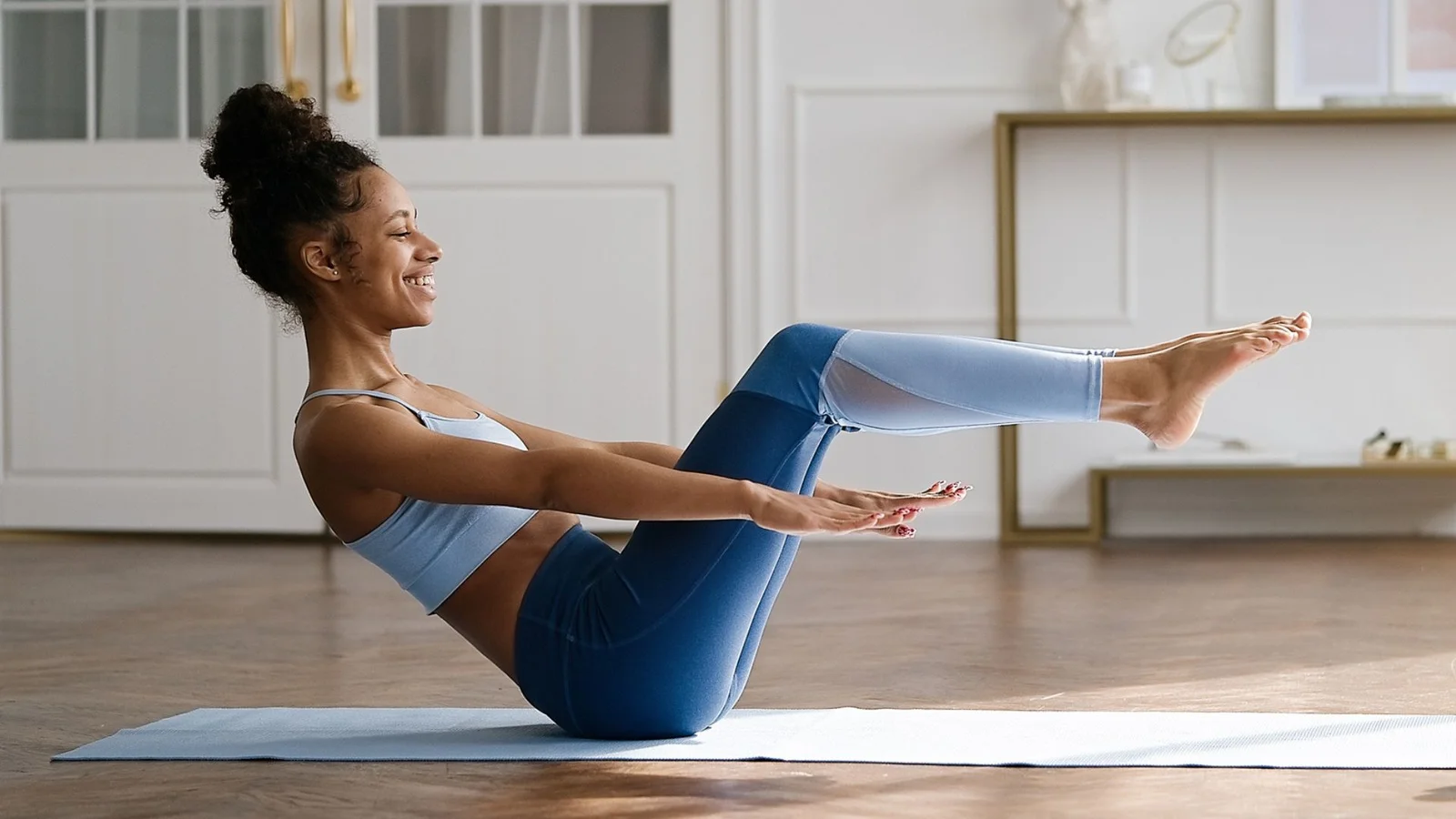
Two recent articles highlight that simple, low-impact home exercises can effectively address belly overhang and improve posture for adults over 50 and 65. Experts emphasize that strengthening deep core muscles is crucial for preventing back injuries and maintaining independence, rather than relying on intense gym sessions or traditional crunches.
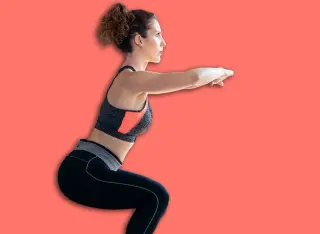
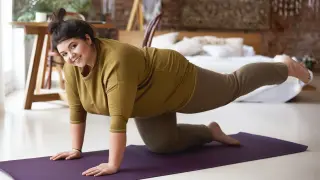
A recent article from Eat This Not That highlights five simple morning exercises recommended by Club Pilates Master Instructor Cara Bonney to improve balance in adults over 65. The routine includes heel raises, toe raises, bodyweight squats, single-leg stands, and side leg lifts. These movements are designed to strengthen lower-body muscles and stabilize the core, potentially offering benefits comparable to or exceeding those of tai chi. The article notes that poor balance is a significant risk factor for falls, which hospitalize approximately 1 million older adults annually in the U.S. according to the CDC. While the primary source provides detailed instructions for these home-based exercises, a secondary source from ScienceBlog.com returned a 410 error indicating the article was withdrawn, leaving no additional comparative data from that outlet.
The fitness industry is experiencing a significant shift as traditional Pilates studios adapt to a growing consumer preference for strength training. While Pilates remains valued for posture and injury prevention, brands like Strong Pilates are integrating heavy lifting to meet member demand. Concurrently, consumer media is promoting hybrid dumbbell routines that combine Pilates alignment principles with weight training to build bone density and muscle mass, reflecting a broader move away from purely low-impact formats.
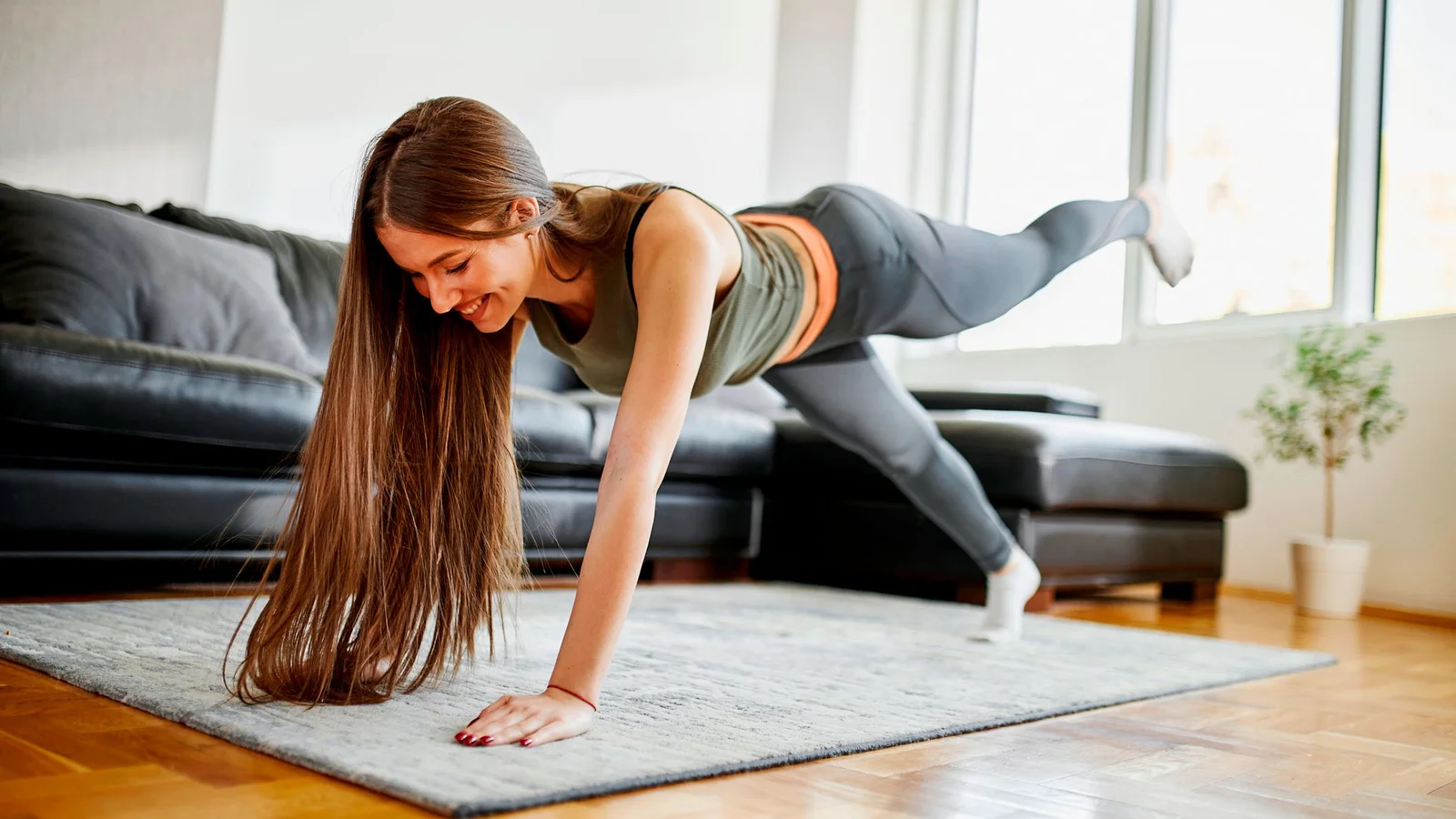
A Pilates instructor recommends two specific exercises for beginners to build core strength and body awareness. The moves focus on 'limb dissociation,' a technique where the torso remains stable while limbs move. This approach helps improve form, reduce injury risk, and enhance control, which is a key principle of Pilates, originally known as Contrology.
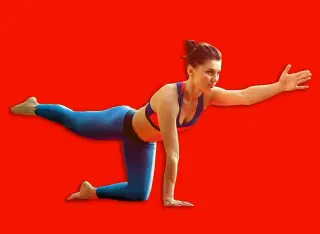
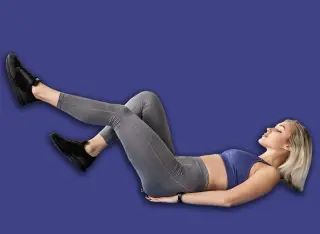
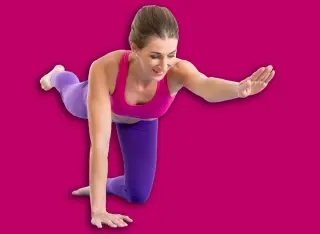
As people age, belly fat often increases due to hormonal changes and muscle loss. The article recommends six daily Pilates moves—heel slides, glute bridges, bird-dog, side plank, Pilates criss-cross, and double-leg stretch—to strengthen the deep core, improve posture, and support the lower back, offering a practical alternative to quick-fix workouts after 60.
Pop star Dua Lipa credits daily mat work from Frame Reformer for staying grounded and fit; Women’s Health UK shares a trainer-designed 20-minute, six-move mat routine (requiring a mat, Pilates ball, ankle and wrist weights) that targets arms, abs and legs, performed in 40-second intervals with 20-second rests and repeated for a second circuit.
Free Sunday Pilates at Bell Wharf beach in Leigh-on-Sea, attended by 100+ people, could be forced to stop after Southend-on-Sea Council demanded an £85 weekly fee and extensive paperwork; the organizer says she cannot afford the cost, while the council says formal approvals are needed to ensure safety and proper use of public spaces and is open to discussion.
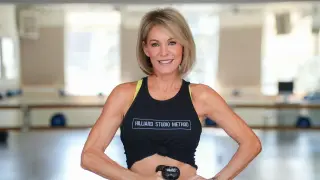
Liz Hilliard, a 72-year-old STOTT-certified trainer and founder of the Hilliard Studio Method, outlines a weekly routine centered on heavy-resistance strength work and Pilates-inspired training to boost muscle mass and longevity, including four to five studio sessions, daily movement (walking/biking) and a Sunday rest, with a schedule that prioritizes full-body strength and social motivation through group classes and community.
A simple single-leg stand test—holding for about 20–30 seconds after age 60, with 30 seconds or more seen as top-tier—serves as a practical gauge of balance, neuromuscular health, and fall risk. The test highlights how aging, menopause-related changes, and osteoporosis heighten the importance of stabilizing exercises like Pilates to protect mobility and independence.
A Pilates-based five-move morning routine for adults over 55 to rebuild full-body strength and mobility, featuring glute bridges, table-top toe taps, side-lying leg lifts, bird dogs, and spine roll-downs—short, beginner-friendly workouts designed to support daily tasks, balance, and independence without reliance on gym machines.
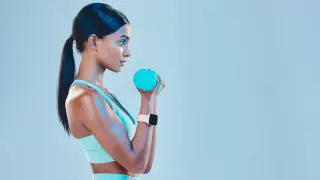
A Tom's Guide fitness piece highlights the trending 'bridal arms' and shares a compact 3-move Pilates routine using resistance bands with handles or reformer pulleys to sculpt the shoulders, back and biceps. The moves are classic bicep curls, high pulls and cross-body lateral raises performed for 45 seconds on with 15 seconds off, across 5–6 rounds, emphasizing time under tension and core stability. Progression options include thicker bands or added springs, and the article notes that muscle definition also depends on overall body fat and lifestyle.
A Pilates instructor shares four deep-core moves—leg circles, rolling like a ball, criss cross, and single-leg stretch—to improve posture, spinal mobility, and daily stability without planks or crunches.
A Pilates instructor outlines four beginner-friendly moves—bridge, double-leg stretch, plank variations, and squats—to strengthen the pelvic floor. Aim for 15–20 repetitions of each exercise and repeat the sequence 2–3 times, focusing on breath, deep core engagement, and controlled movement to support the spine, pelvis, and internal organs beyond traditional Kegels.
A Pilates instructor shares a seven-move, equipment-free routine designed for people over 40 to wake up the glutes and core, improve mobility and posture, and can be done 2–4 times a week with simple modifications.
Five-workout mobility plan: a nine-minute dynamic warm-up before exercise, a 10-minute midday yoga boost, a 15- to 30-minute mobility session, a 10- to 15-minute Pilates routine to strengthen the spine and pelvis, and a 20-minute running-focused routine to loosen joints and prevent injuries—designed to train flexibility and strength as you age, with guidance on consistency and watching for movement asymmetries.