
Johns Hopkins researchers identify claudin-4 as the receptor for BFT toxin linked to colon cancer
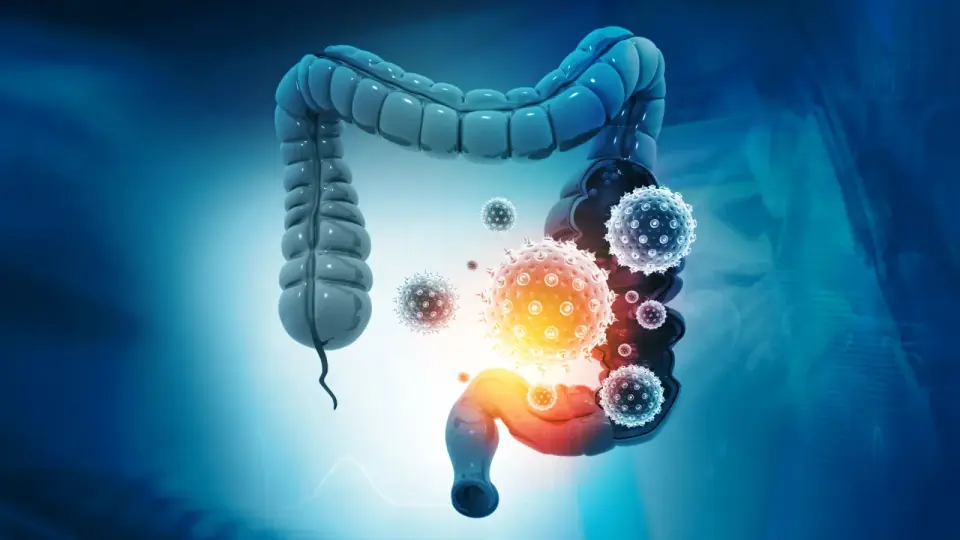
Researchers at Johns Hopkins have identified claudin-4 as the specific receptor allowing the BFT toxin from Bacteroides fragilis to attach to colon cells. By using CRISPR screening, the team discovered that this attachment is a prerequisite for the toxin to damage E-cadherin and compromise the intestinal barrier. They developed a molecular decoy that successfully blocked this interaction in mice, offering a potential preventive strategy for toxin-induced colon damage.
Key points
- Bacteroides fragilis is present in up to 20% of healthy individuals, but specific strains produce the BFT toxin, which disrupts the colon's protective lining and promotes tumor growth.
- Previous studies established that BFT damages E-cadherin, but the mechanism of initial attachment remained unknown for nearly two decades.
- Using CRISPR gene-editing, researchers disabled genes in colon epithelial cells and found that claudin-4 is the essential docking point for the toxin.
- The team created a soluble protein decoy containing claudin-4 sequences that intercepted the toxin, protecting mice from tissue damage in laboratory trials.
- While the decoy prevented damage in mice, it has not yet been proven to prevent colorectal cancer in humans, and the precise 3D structure of the interaction remains unresolved.
Background
This discovery addresses a long-standing gap in understanding the link between gut bacteria and colorectal cancer, a condition that has seen rising incidence rates among adults under 50. Recent studies have highlighted distinct biological differences in tumors affecting younger patients, including higher proportions of stromal cells that may hinder treatment. While dietary interventions and earlier screening are currently recommended to mitigate risk, this research offers a potential biological target for prevention before tumor formation begins.
How outlets are covering it
Both ScienceDaily and UA.NEWS report on the same findings from the Johns Hopkins team, confirming the identification of claudin-4 as the receptor and the success of the molecular decoy in mouse models. ScienceDaily provides additional detail on the surprise nature of the finding, noting that claudin-4 is a structural protein rather than a signaling receptor, and highlights the collaboration with structural biologists in Barcelona. UA.NEWS focuses more concisely on the CRISPR screening process and the practical application of the decoy, emphasizing that the mouse results do not yet translate to human cancer prevention. Both sources agree that while the mechanism is now understood, further research is needed to develop effective human therapies.
Why it matters
Identifying the specific receptor for BFT toxin provides a new target for preventing bacterial damage to the colon, potentially leading to new strategies for detecting or treating colorectal cancer, diarrhea, and bloodstream infections. This could shift the focus from repairing damage after it occurs to intercepting the toxin before it can compromise the intestinal barrier.
What to watch
Researchers are exploring the development of small molecules or biologics with better pharmacological properties to improve the decoy strategy. They also aim to resolve the precise 3D structure of the BFT-claudin-4 interaction, which has eluded advanced AI tools like AlphaFold, to design more effective compounds that prevent toxin binding.
Want the full story? Read the original reporting
Read on Science Daily