
Dietitian Shares Practical Snack Strategy for Youth Athletes Based on Activity Intensity
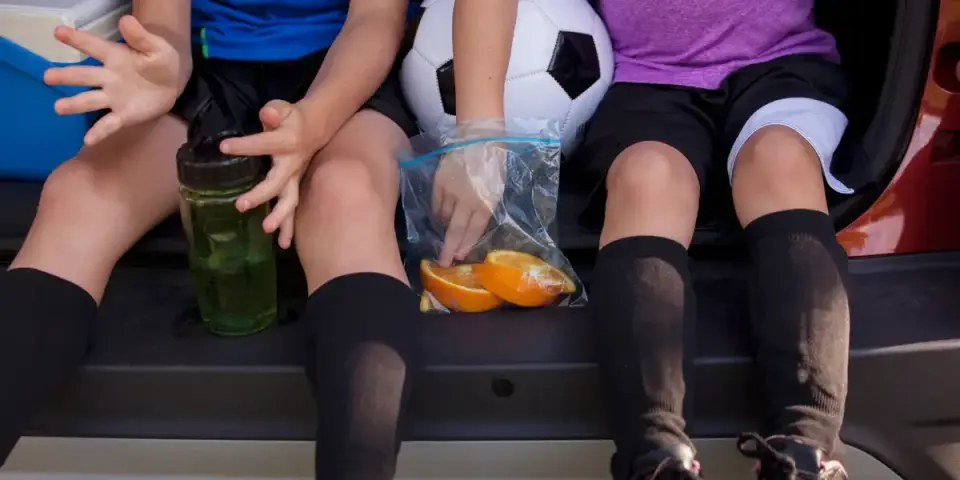
A registered dietitian and mother of two young athletes explains how to match post-game snacks to the intensity of youth sports activities. She emphasizes that nutrition should support recovery and energy replenishment without treating every practice like an endurance event. Her approach focuses on practical, accessible foods that help children build healthy habits while enjoying their sports.
Key points
- Match snacks to activity intensity: shorter recreational games require simple options like water and a banana, while longer, strenuous practices need more carbohydrates and protein for recovery.
- Recommended snacks include clementines, watermelon, berries, pretzels, whole-grain crackers, Greek yogurt with fruit, cheese and crackers, and peanut butter and jelly sandwiches.
- Convenient options like GoGo squeeZ pouches and freeze-dried fruit or snack bars are useful for busy schedules, with a preference for bars containing 6 grams or less of added sugar.
- Hydration is critical; water suffices for most shorter activities, but longer, intense exercise in hot climates like Florida may require added carbohydrates and electrolytes.
- The goal is not perfect nutrition but fostering healthy habits and helping children understand how food supports their physical performance and recovery.
Background
This advice aligns with broader discussions on youth nutrition and sports, such as recent coverage of dietitian recommendations for blood pressure control through simple snacks like orange and cottage cheese. It also follows developments in youth sports policy, including Colorado's plans to revise bans on transgender youth in sports, and high-profile youth athlete stories like the career acceleration of soccer prodigy Nevada Pierre.
Why it matters
Parents of youth athletes often struggle with balancing nutrition, activity, and busy schedules. This guidance provides a practical, science-based framework for supporting children's recovery and long-term health without overcomplicating meal planning. It emphasizes that nutrition should enhance performance and enjoyment, not become a source of stress or guilt.
What to watch
Parents can apply these snack strategies to their own children's sports schedules, adjusting based on activity intensity and climate. Dietitians may continue to share similar practical advice to help families navigate the demands of youth sports nutrition.
Want the full story? Read the original reporting
Read on Business Insider