
VO2 Maxxing: The Longevity Metric Driving a New Fitness Obsession
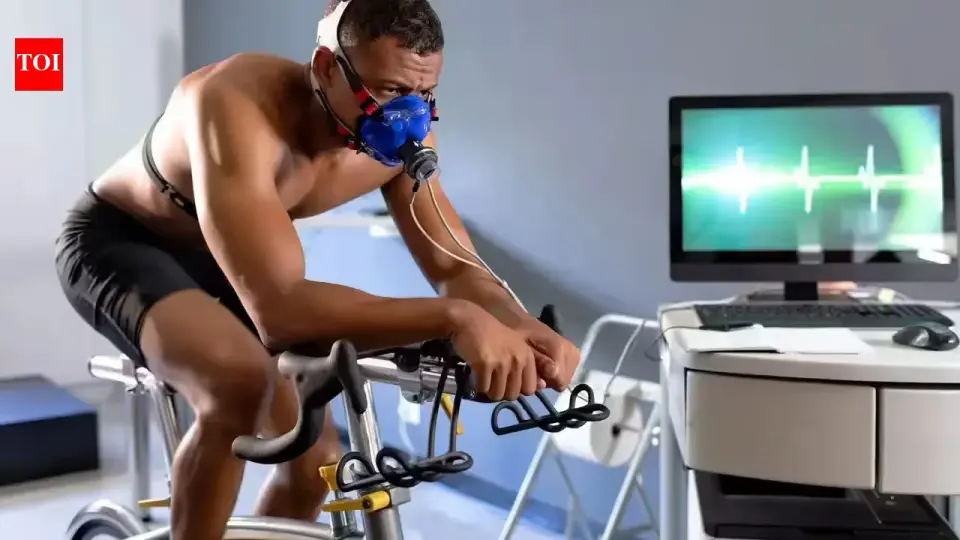
VO2 maxxing has emerged as a dominant fitness trend, focusing on maximizing maximal oxygen consumption to improve longevity. While the metric is a decades-old scientific standard, its recent popularity is driven by social media and wearable technology. Research links higher VO2 max to significantly lower mortality risks, but experts caution that it is not a magic solution and that moderate activity yields substantial health benefits.
Key points
- VO2 max measures the maximum amount of oxygen the body can use during intense exercise, serving as a gold standard for cardiorespiratory fitness.
- A study of over 750,000 US veterans found that the least fit participants had four times the mortality risk of the most fit group.
- Another study of 5,107 men found that those with the highest midlife VO2 max lived nearly five years longer than those with the lowest fitness levels.
- High-intensity interval training (HIIT) is identified as the most effective method for improving VO2 max, though consistent moderate activity also yields significant benefits.
- Smartwatches provide estimates of VO2 max based on heart rate and pace, but these are not as accurate as laboratory measurements using oxygen masks and treadmills.
Background
This trend is part of the broader 'maxxing' movement, which involves optimizing various aspects of life, including sleep and diet, for peak performance. Previous coverage noted that while such self-optimization trends can boost wellness industries, they may also lead to anxiety and perfectionism. Additionally, other simple fitness tests, such as balance and agility assessments, have also been linked to lower mortality risks in older adults, suggesting that multiple metrics contribute to longevity.
How outlets are covering it
The Times of India emphasizes the social and cultural aspects of VO2 maxxing, highlighting its presence on TikTok and fitness forums, while also noting the potential for burnout from 'maxxing' culture. ScienceBlog provides a more nuanced scientific perspective, noting that while aerobic capacity declines with age, the rate is modifiable through sustained training. They highlight that lifelong athletes show a slower decline, but caution that this is not a universal rule and that the evidence is based on small, specific cohorts. The Independent focuses on the practical application of VO2 max, testing the metric and discussing its role in longevity, while also acknowledging the limitations of wearable technology. Runner's World, though not fully detailed in the provided text, likely focuses on specific workouts, such as 'EMOM sprints,' that can help improve VO2 max and running performance.
Why it matters
VO2 max is a critical indicator of overall health and longevity. Understanding and improving this metric can help individuals reduce their risk of heart disease, stroke, and early death. However, it is important to approach VO2 maxxing with a balanced perspective, recognizing that moderate activity and consistent exercise can yield significant health benefits without the need for extreme routines or expensive technology.
What to watch
As VO2 maxxing continues to gain popularity, more research will likely emerge on the long-term effects of different training methods on VO2 max and overall health. Wearable technology may also improve in its ability to accurately measure VO2 max, making it more accessible to the general public. Additionally, public health organizations may incorporate VO2 max into their guidelines for promoting cardiorespiratory fitness and longevity.
- Meet VO2 maxxing: The fitness ‘trend’ that could help you live longer The Times of India
- ‘EMOM sprints’ and 4 other VO2 max workouts that will help you to run faster for longer Runner's World
- What aerobic capacity actually measures ScienceBlog.com
- This Fitness Metric May Be The Most Overlooked Predictor Of Heart Disease Yahoo Health
- VO2 max maxxing: The fitness craze that could help you live longer The Independent
Want the full story? Read the original reporting
Read on The Times of India