
Contender, the Atlantic's largest tagged great white, resurfaces after months of silence
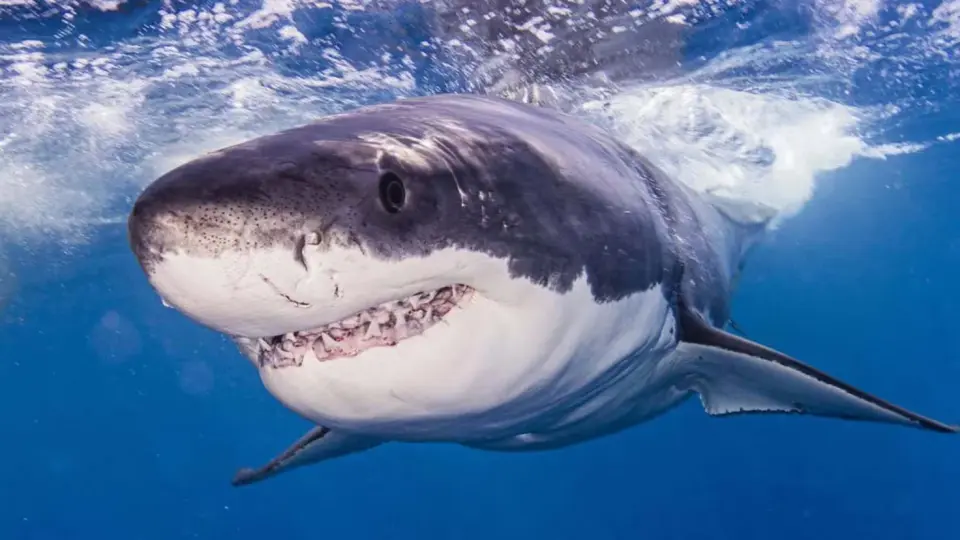
A single satellite ping confirms that Contender, the largest male great white shark ever tagged in the Atlantic, is still alive and likely continuing its northward migration. Measuring over 13 feet and weighing nearly 1,700 pounds, the shark was last detected in North Carolina in April. Experts believe it is heading toward Cape Cod, a popular summer destination, though its exact location remains unknown due to the limitations of underwater tracking technology.
Key points
- Contender, a 1,700-pound, 13-foot great white, sent a single satellite signal on July 10 after months of silence.
- The shark was tagged by OCEARCH in January 2026 off the coast of Georgia.
- Its last confirmed location was near Pamlico Sound, North Carolina, in April.
- Researchers believe Contender is migrating north toward Cape Cod, Massachusetts, following typical seasonal patterns.
- Tracking systems require multiple signals to pinpoint location; a single ping only confirms the shark broke the surface.
Background
Contender has been the subject of significant media attention since its tagging in early 2026. Previous reports indicated it was on a 7,000-mile trek from Florida to Cape Cod. Other large sharks, such as Breton, have also been tracked by OCEARCH, though their movements have sometimes defied typical migration patterns. The current news cycle follows a period of increased public concern over shark sightings along the U.S. East Coast.
How outlets are covering it
AS USA and The New York Post both highlight Contender's potential arrival at Cape Cod, a major tourist destination, but emphasize that the shark does not pose an immediate threat to beachgoers. The New York Post also notes the presence of another large shark, 'Ernst,' which has already reached the Gulf of St. Lawrence, suggesting a broader pattern of northward migration. The University of Maine provides a technical perspective, explaining that satellite tags cannot provide real-time GPS-like tracking. Professor Walter Golet notes that the lines on tracking maps are simplifications, and the shark's exact path between pings is unknown. He stresses that while sightings have increased, this may be due to better tracking technology rather than a true population boom.
Why it matters
Tracking large predators like Contender helps scientists understand migration routes, feeding habits, and habitat use, which is crucial for conservation and public safety. The data collected can inform decisions about offshore development and fishing regulations. Additionally, accurate tracking helps manage public fear by providing factual information about shark movements, reducing the likelihood of unnecessary panic or overreaction to sightings.
What to watch
Researchers will continue to monitor Contender's satellite tag for additional pings. If more signals are received, they may be able to determine its exact location and confirm whether it has reached Cape Cod or continued further north. Public reports of shark sightings will also be monitored to help track the shark's movements. Scientists will use the data to update models of great white shark migration patterns in the North Atlantic.
- Largest great white shark ever tagged in the Atlantic is heading toward a popular vacation destination: It wei Diario AS
- ‘Contender’, the near-prehistoric ocean beast, resurfaces after months missing in the Atlantic Diario AS
- Shark Sightings Surge Across New York Beaches as Great White Heads North Newsweek
- 12-foot great white shark ‘Ernst’ tracked near Montauk — and Atlantic’s largest ever could be right behind her New York Post
- Can scientists track sharks in real time? A UMaine researcher explains The University of Maine
Want the full story? Read the original reporting
Read on Diario AS