
Peruvian Fossil Reveals Record-Breaking Size for Extinct Freshwater Turtle
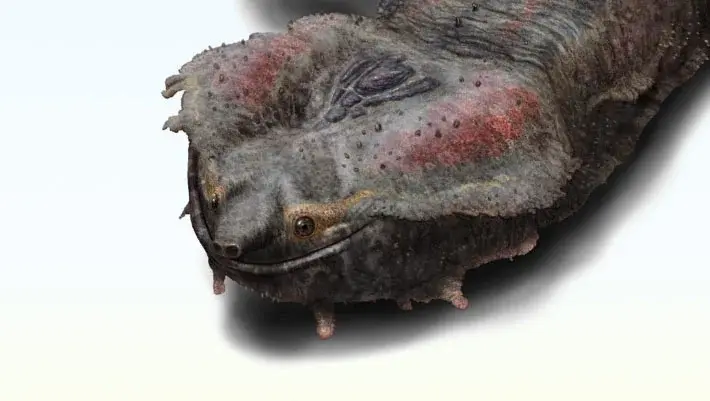
A newly described fossil shell from Peru identifies Chelus colombiana as one of the largest freshwater turtles ever known, with a specimen measuring 84.6 cm and estimated to weigh 65 kg. This discovery extends the species' range to the Pebas wetland system and highlights a pattern of gigantism in Miocene South American turtles.
Key points
- Researchers identified a new fossil shell of Chelus colombiana, an extinct side-necked turtle, from the Middle Miocene period in Peru.
- The largest specimen, cataloged as MUSM-920, measures 84.6 cm in length and is estimated to have weighed approximately 65 kg.
- This find is the largest completely preserved shell ever recorded for the genus Chelus, surpassing previous records from Brazil.
- The discovery extends the known geographic range of Chelus colombiana to the southwestern edge of the Pebas wetland system in northern South America.
- The findings suggest that Miocene turtles in the region grew to large sizes due to the extensive connectivity of the wetland environment rather than climate factors.
Background
Previous studies have highlighted how fossilization biases can distort our understanding of evolutionary history, particularly regarding size and habitat preferences. While recent news has focused on modern freshwater hazards, such as rare amoeba infections, this paleontological finding provides insight into ancient aquatic ecosystems. The discovery adds to a broader pattern of Miocene gigantism observed in other South American turtle species, offering a clearer picture of prehistoric biodiversity in the Amazon region.
Why it matters
This discovery refines the understanding of prehistoric freshwater ecosystems in South America, demonstrating that large-bodied turtles thrived in the vast Miocene wetlands. It also resolves part of the taxonomic debate surrounding the fossil record of the Chelus genus by providing complete shell evidence from a new geographic location. The findings underscore the importance of the Pebas system in supporting large fauna during the Miocene epoch.
What to watch
Researchers plan to continue examining fossil localities in Venezuela, Colombia, Brazil, and Peru to find complete skeletons that may resolve ongoing taxonomic controversies regarding the Chelus genus. Further studies will likely focus on how the extensive wetland network of the Pebas system facilitated the evolution of giant freshwater turtles.
Want the full story? Read the original reporting
Read on Sci.News