
Spear wound in 75,000-year-old Neanderthal bone may be oldest evidence of lethal violence
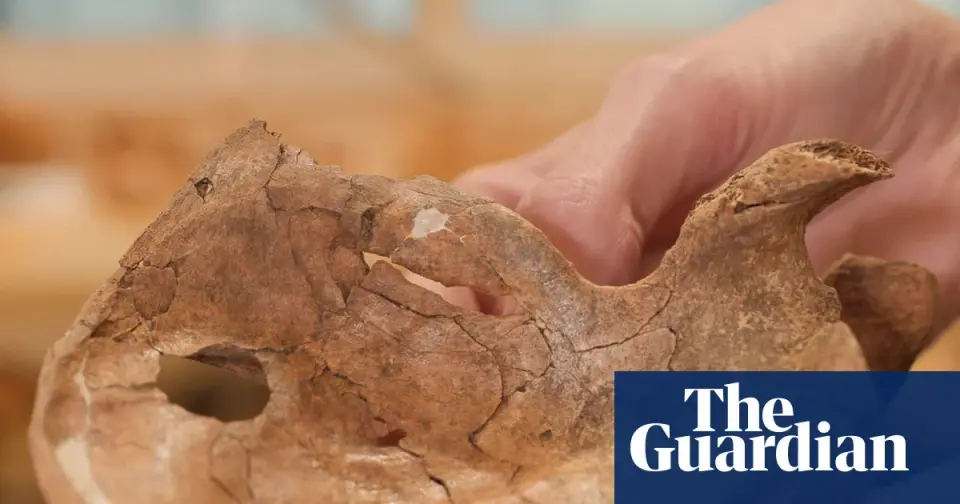
A 1.5cm hole in a Neanderthal shoulder blade found in Shanidar Cave, Iraqi Kurdistan, is the oldest evidence of a human ancestor being killed by a wooden spear. The individual, who died over 70,000 years ago, also had a split tooth and was buried in a small depression with other Neanderthals. Researchers debate whether the fatal wound was a hunting accident or intentional violence.
Key points
- A 1.5cm circular hole in the left shoulder blade of a Neanderthal (Shanidar A) is the oldest evidence of a human ancestor being killed by a wooden spear.
- The individual, who died over 70,000 years ago, also had a split lower incisor and was buried in a small depression with other Neanderthals.
- Researchers debate whether the fatal wound was a hunting accident or intentional violence, with some arguing the wound's position and force suggest a deliberate 'kill shot' at the heart.
- The discovery adds to a growing body of evidence suggesting interpersonal violence was more common and older than previously thought, with earlier finds in Spain showing healed head injuries from 430,000 years ago.
Background
Recent studies, including one from Abric Romaní in Spain, have shown that Neanderthals relied heavily on wood, not just stone, for tools and weapons. This new finding from Shanidar Cave adds to the evidence that Neanderthals used wooden spears, and it raises questions about the prevalence of interpersonal violence in their societies.
How outlets are covering it
The Guardian and BBC both report that the wound is the oldest evidence of a human ancestor being killed by a wooden spear, but they differ in their emphasis. The Guardian focuses on the possibility of a hunting accident, while the BBC emphasizes the possibility of intentional violence. CNN and Yahoo do not provide additional perspectives on this story.
Why it matters
This discovery adds to the evidence that interpersonal violence was more common and older than previously thought, and it raises questions about the prevalence of violence in Neanderthal societies. It also highlights the importance of studying wooden artifacts, which are rare in the archaeological record, to understand the technology and behavior of ancient humans.
What to watch
Researchers will continue to study the remains of the Neanderthal and other Neanderthals found in Shanidar Cave to learn more about their behavior and society. They will also continue to search for more evidence of wooden artifacts and interpersonal violence in the archaeological record.
- Neanderthal remains may be earliest human ancestor find killed by a spear The Guardian
- A murder mystery reveals realities of Neanderthal life and death CNN
- Hole in Neanderthal shoulder bone linked to ancient wooden spear BBC
- Bones from Iraqi cave hint at violence and compassion in Neanderthals Yahoo
- Evidence for funerary behaviour and lethal trauma in a new Neanderthal individual from Shanidar Cave Nature
Want the full story? Read the original reporting
Read on The Guardian