Tag

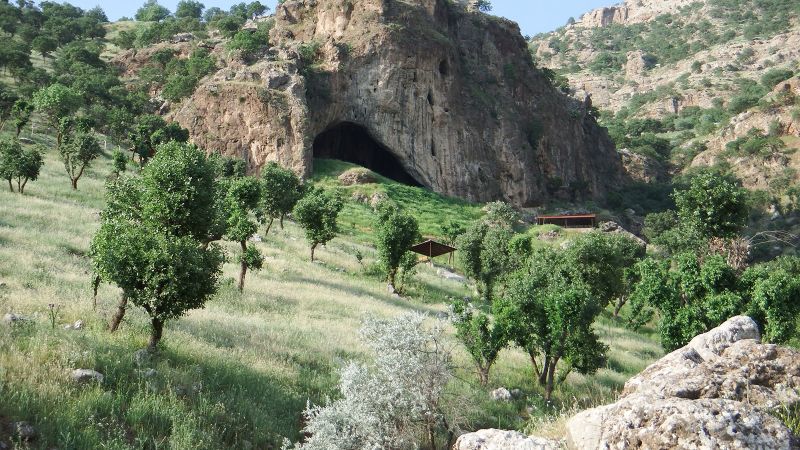
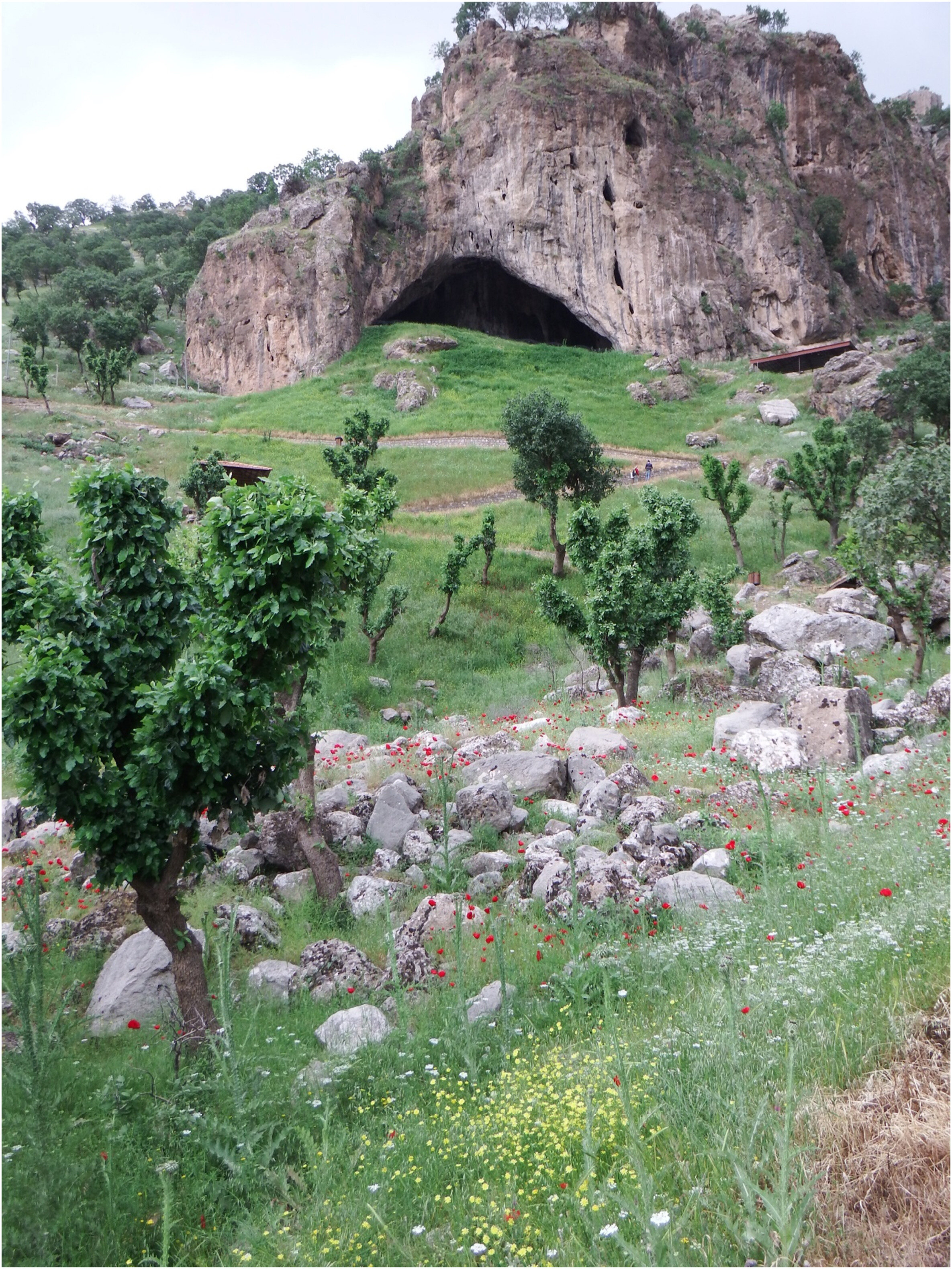
Shanidar Cave

All articles tagged with #shanidar cave

Shanidar A: 75,000-Year-Old Neanderthal Remains Reveal Possible Earliest Wooden Spear Fatality
science-and-archaeology22 days ago

Shanidar A: 75,000-Year-Old Neanderthal Remains Reveal Possible Earliest Wooden Spear Fatality

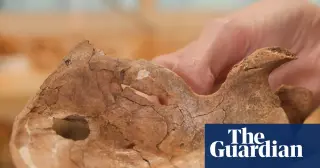
A 75,000-year-old Neanderthal skeleton from Shanidar Cave in Iraqi Kurdistan, identified as Shanidar A, shows a 15-millimeter hole in the left shoulder blade consistent with a fatal wooden spear wound. The individual also survived a severe facial injury that split a tooth, suggesting long-term community support. The remains were found in a deliberate burial cluster, indicating complex mortuary practices.
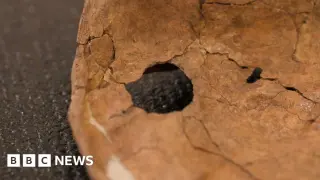
Neanderthal Shoulder Blade Reveals Earliest Evidence of Wooden Spear Homicide
science1 month ago

Neanderthal Shoulder Blade Reveals Earliest Evidence of Wooden Spear Homicide

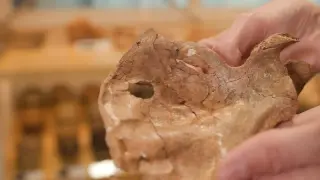
A 15mm circular hole in the shoulder blade of a Neanderthal, dated to 75,000 years ago, suggests the earliest known use of a wooden spear for lethal violence. The individual, known as Shanidar A, was likely killed by a thrust aimed at the heart, though the cause remains debated. The remains were found in a burial cluster in Iraqi Kurdistan, indicating complex mortuary rituals and social care among Neanderthals.

75,000-Year-Old Shoulder Hole Suggests Neanderthals Used Lethal Wooden Spears
science1 month ago

75,000-Year-Old Shoulder Hole Suggests Neanderthals Used Lethal Wooden Spears

A 15mm hole in a Neanderthal shoulder blade found in Iraqi Kurdistan is identified as the earliest evidence of lethal violence involving a wooden spear. The wound, dated to 75,000 years ago, likely resulted from a spear entering the chest and exiting the shoulder, potentially damaging vital organs. While researchers debate whether this was a hunting accident or intentional killing, the finding adds to growing evidence that interpersonal violence existed in prehistoric societies long before the advent of farming.

Spear wound in 75,000-year-old Neanderthal bone may be oldest evidence of lethal violence
science-and-archaeology1 month ago

Spear wound in 75,000-year-old Neanderthal bone may be oldest evidence of lethal violence

A 1.5cm hole in a Neanderthal shoulder blade found in Shanidar Cave, Iraqi Kurdistan, is the oldest evidence of a human ancestor being killed by a wooden spear. The individual, who died over 70,000 years ago, also had a split tooth and was buried in a small depression with other Neanderthals. Researchers debate whether the fatal wound was a hunting accident or intentional violence.

Reevaluating the Neanderthal 'Flower Burial': New Pollen Study Challenges Previous Findings
archaeology3 years ago

Reevaluating the Neanderthal 'Flower Burial': New Pollen Study Challenges Previous Findings

A new study challenges the long-held belief that Neanderthals buried their dead with flowers. The hypothesis was based on the discovery of pollen clumps near a Neanderthal skeleton in Shanidar Cave in 1960. However, recent research suggests that the pollen might have been brought into the cave by bees, rather than intentionally placed by Neanderthals. Analysis of the pollen and its composition cast doubt on the original flower burial theory. Nevertheless, the study supports the idea that Neanderthals treated their dead with care, as evidenced by the separate interments and common orientations of the skeletons in the cave.

Neanderthal 'flower burial' debunked as bees left pollen behind
archaeology3 years ago

Neanderthal 'flower burial' debunked as bees left pollen behind

A new study challenges the long-held belief that Neanderthals practiced flower burials, suggesting instead that burrowing bees may have deposited pollen underneath a Neanderthal's remains, creating the illusion of a flower-adorned burial. The study reexamined the pollen evidence from the Shanidar 4 burial site in Iraqi Kurdistan and found that the presence of mixed clumps of pollen is more likely due to bees collecting and depositing pollen in their burrows. While the flower burial interpretation is debunked, the significance of the Shanidar burials in understanding Neanderthal burial rituals remains, and further research is needed to uncover more about their practices.

Decoding Neanderthal Burial Practices: Unraveling the Role of Burrowing Bees
archaeology3 years ago

Decoding Neanderthal Burial Practices: Unraveling the Role of Burrowing Bees

Researchers have reexamined the "Flower Burial" hypothesis at Shanidar Cave, a site known for its Neanderthal remains, and concluded that the pollen found in the burial pits was likely deposited by bees rather than being a floral grave offering. The presence of taxonomically mixed clumps of pollen suggests that bees collected and deposited the pollen. While some questions remain, this study sheds light on the complex behavior of Neanderthals and challenges previous perceptions of them as primitive beings. The discovery of intentional burial and other sophisticated activities among Neanderthals has expanded our understanding of their capabilities.