
Florida researchers use collared opossums as live bait to locate invasive Burmese pythons
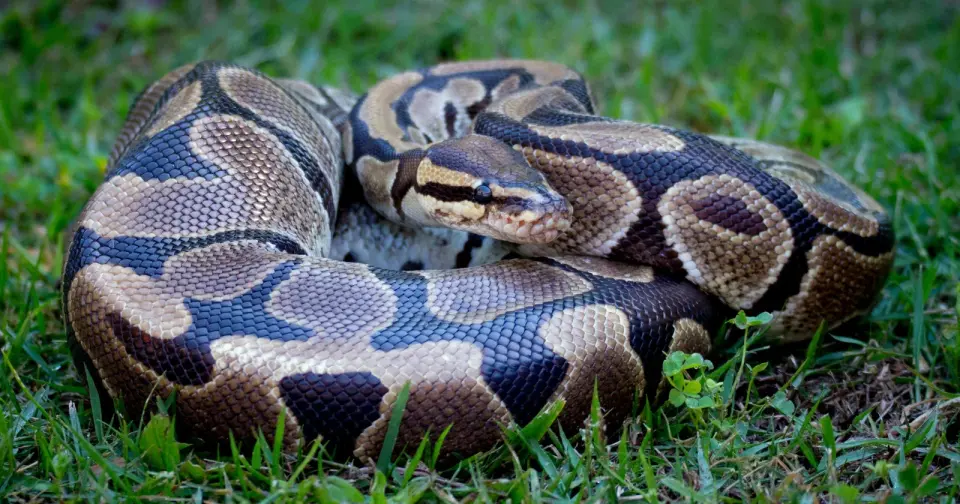
A Florida wildlife program is deploying GPS-collared opossums to track and remove large Burmese pythons. When a python consumes a collared opossum, the tracker continues transmitting from inside the snake, allowing researchers to locate and capture the predator. This method, which began as an accidental discovery in 2022, has resulted in the removal of 18 pythons over eight feet long by April 2026. The approach targets large females capable of laying up to 100 eggs, though it raises ethical concerns about placing native animals in harm's way.
Key points
- The program uses GPS collars on opossums; if a python eats the animal, the collar's signal persists, guiding researchers to the snake.
- By April 2026, 18 pythons over eight feet long had been removed, with the largest measuring approximately 13 feet.
- Collar costs dropped from $1,500 to $190, enabling the scaling of the operation to a target of 40 collared animals by peak summer.
- The method self-selects for large pythons, as only big snakes can consume a three-pound opossum, prioritizing the removal of egg-carrying females.
- Some collars are lost when pythons excrete the hardware, but the majority of alerts lead to successful captures.
Background
Burmese pythons have caused severe declines in native mammal populations in the Florida Everglades, with a 2012 study reporting a 99.3% drop in raccoon sightings and 98.9% for opossums within Everglades National Park. While other methods like drones and detector dogs are used, this collar-based approach offers a targeted solution for large, elusive predators. Recent unrelated incidents, such as a python found in New Jersey, highlight the broader issue of invasive exotic pets, but the Florida program specifically addresses the established population in the Everglades.
Why it matters
This innovative tracking method provides a cost-effective and efficient way to remove large, reproductive Burmese pythons that are difficult to find using traditional methods. By targeting females capable of laying up to 100 eggs, the program aims to significantly reduce the invasive population's growth rate, helping to protect native wildlife in the Florida Everglades.
What to watch
The research team aims to collar at least 40 opossums by peak summer to expand the program's coverage. They are also refining the technology, having switched from GPS to simpler VHF units that last nearly two years, to improve reliability and reduce costs.
Want the full story? Read the original reporting
Read on Space Daily