
New Study Reveals Microplastics Generate Harmful Radicals at Water Interfaces
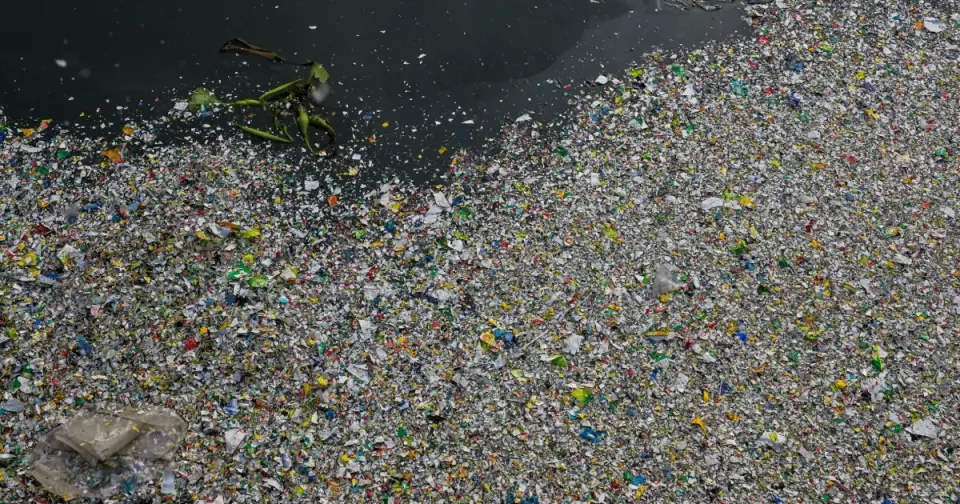
A new study published in Nature suggests that microplastics are not chemically inert but actively generate reactive oxygen species (ROS) when in contact with water. This mechanism may explain how these particles cause cellular damage, inflammation, and disease in the human body.
Key points
- Researchers at Columbia University found that microplastics spontaneously generate hydroxyl radicals at their surface when suspended in water.
- The reaction is driven by the high surface-to-volume ratio of fragmented plastics and the hydrophobic nature of their surfaces, which alters local water chemistry and electrostatics.
- More hydrophobic plastics, such as polyethylene and polypropylene, showed higher radical-generating activity than hydrophilic ones like PET.
- The generated radicals can damage proteins, DNA, and cell membranes, potentially explaining links between microplastic exposure and cardiovascular, neurological, and inflammatory diseases.
- The effect was observed in blood serum, though weaker than in pure water, suggesting potential biological relevance despite the presence of natural surfactants in the body.
Background
Previous research has established that microplastics are present in human lungs, blood, and placentas, and have been linked to various health risks. A September 2026 study highlighted that inhaled microplastics impair lung immune cells and migrate to organs like the liver and brain. Another study found higher microplastic burdens in the lungs of cancer patients. However, the specific molecular mechanism by which these particles cause harm remained unclear until this new finding.
How outlets are covering it
NBC News and Scientific American emphasize the paradigm shift from viewing plastics as inert to recognizing their active chemical behavior at interfaces. New Scientist highlights the potential for these radicals to cause damage in blood, while noting that the effect is weaker in serum than in pure water. Experts like Matthew Campen from the University of New Mexico caution that while the mechanism is a 'critical building block,' the actual health impact depends on factors like the body's ability to clear plastics and the presence of natural surfactants that may mitigate radical generation. Wei Min, a senior author, acknowledges that while the mechanism is identified, the quantitative health risks in humans remain to be determined.
Why it matters
Understanding the chemical mechanism behind microplastic toxicity is crucial for developing safer plastic materials and assessing public health risks. If microplastics generate ROS in the body, it provides a direct link between environmental pollution and cellular damage, potentially justifying stricter regulations on plastic waste and exposure limits.
What to watch
Researchers plan to connect fundamental interfacial chemistry with quantitative biological measurements to better understand health risks. Future studies may investigate how the body's natural surfactants and immune responses mitigate or exacerbate the damage caused by microplastic-generated radicals.
- How exactly do microplastics damage the body? New research offers an answer NBC News
- Intrinsic physicochemical activity at microplastic–water interfaces Nature
- Microplastics are linked to inflammation—scientists might have finally worked out why Scientific American
- Microplastics are chemically active and could cause biological harm Phys.org
- Microplastics may produce harmful molecules if they enter our blood New Scientist
Want the full story? Read the original reporting
Read on NBC News