
New Model Doubles Thwaites Glacier Sea-Level Threat to 30mm by 2100
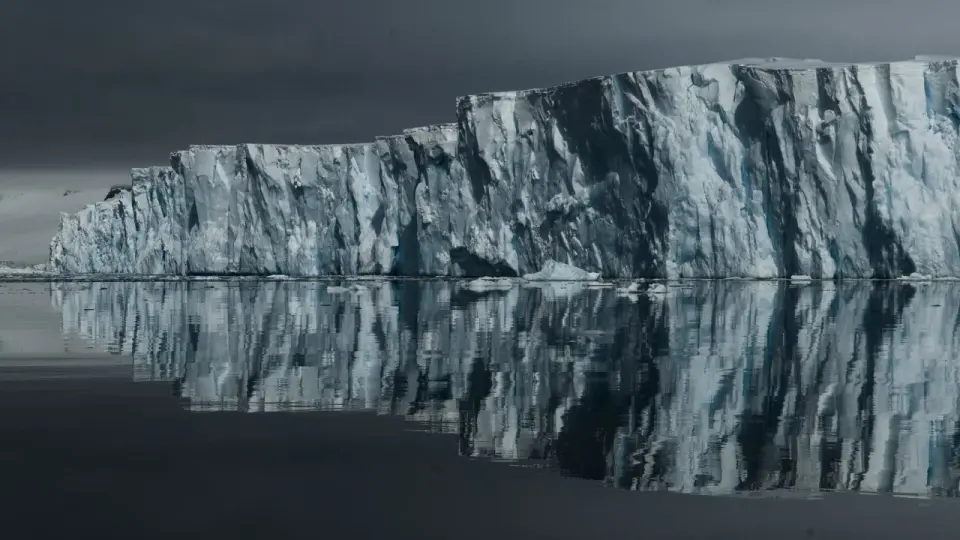
A new ice sheet model from UC Irvine and NASA JPL estimates Thwaites Glacier could contribute 30 millimeters to global sea-level rise by 2100, doubling previous projections. The model accounts for seawater seeping under the glacier, accelerating its retreat.
Key points
- Thwaites Glacier, known as the Doomsday Glacier, is 80 miles wide and located in West Antarctica.
- A new model by UC Irvine and NASA JPL projects up to 30 millimeters (1.2 inches) of sea-level rise by 2100 from Thwaites alone.
- This projection is double the previous estimate, even without additional climate warming.
- Satellite data from Finland’s ICEYE constellation shows seawater penetrating several miles under the glacier’s grounded ice.
- Seawater intrusion lifts the ice via tidal fluctuations, allowing warm ocean water to melt the glacier from below.
- The glacier’s bedrock deepens inland, meaning retreat can trigger further instability and faster flow into the ocean.
Background
Recent reports indicate Thwaites Glacier’s ice shelves are collapsing, removing structural support and accelerating flow. Global ice sheets have lost 11.3 trillion tons of ice since the 1970s, with 84% of loss driven by faster glacier flow rather than surface melting. Ocean heat absorption has also reached record levels, accelerating sea-level rise to 4.2mm per year since 2012.
How outlets are covering it
Gizmodo emphasizes the doubling of sea-level rise projections and the role of seawater intrusion in accelerating melting. Softonic highlights the specific 30mm figure and the 60% probability of the glacier breaking from its stabilizing ridge by 2038. Both sources agree on the new model’s findings but differ in emphasis: Gizmodo focuses on the mechanism of seawater penetration, while Softonic stresses the immediate coastal risk and the glacier’s current contribution to sea-level rise.
Why it matters
The doubled projection for Thwaites Glacier significantly increases the urgency of coastal flooding risks. If the glacier retreats faster than expected, it could destabilize the West Antarctic Ice Sheet, leading to potentially 10 feet of sea-level rise. This underscores the need for updated climate models and immediate mitigation strategies to address accelerating ice loss.
What to watch
Researchers will continue monitoring Thwaites Glacier using satellite data to track seawater intrusion and ice movement. The 60% probability of the glacier breaking from its stabilizing ridge by 2038 suggests a critical window for observing potential rapid collapse. Further studies will refine models to better predict sea-level rise contributions from Antarctic glaciers.
- Ocean Water Is Seeping Under the Doomsday Glacier—and Its Sea-Level Threat Just Doubled Gizmodo
- Thwaites Glacier could contribute twice as much sea-level rise as previously projected Phys.org
- Thwaites Glacier will keep losing ice even if oceans cool British Antarctic Survey (BAS)
- Seawater seeping under Thwaites Glacier doubles its 2100 sea-level forecast Martin Cid Magazine
- Thwaites Glacier warning doubles: new model sees 30 mm by 2100 Softonic
Want the full story? Read the original reporting
Read on Gizmodo