
Rare Camera Trap Footage Captures Baby Giant Armadillo in Peruvian Amazon
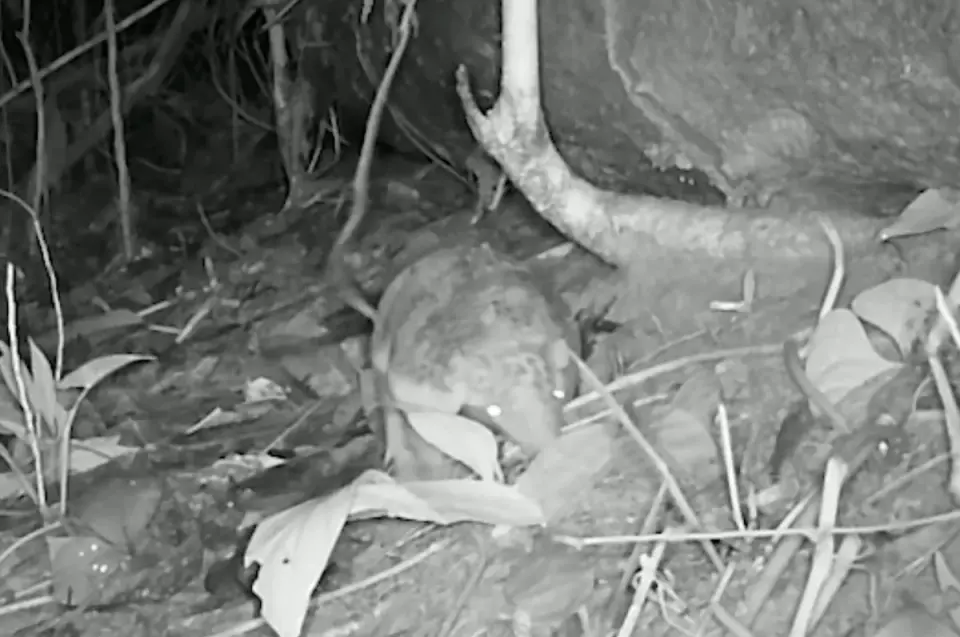
A camera trap project in the Peruvian Amazon has captured rare footage of a baby giant armadillo, a species that is notoriously difficult to observe. The recording was made by Amazon Research Internacional in the Native Community of San Francisco in Loreto. Conservationist Rosa Vásquez Espinoza noted that capturing such footage usually requires hundreds of cameras over a year, but this success was achieved quickly using Indigenous knowledge. The giant armadillo is the largest of its kind, reproduces only every three years, and faces threats from habitat fragmentation and hunting. The organization plans to use this video to support local laws protecting large mammals in Loreto, similar to protections already established in Junín province. The region is also monitored for stingless bees, which helps protect larger species indirectly.
Key points
- Amazon Research Internacional captured rare video of a baby giant armadillo in the Native Community of San Francisco, Loreto, Peru.
- Conservationist Rosa Vásquez Espinoza stated that giant armadillos are among the hardest animals to film, typically requiring extensive camera setups over long periods.
- The successful capture utilized Indigenous knowledge and limited camera resources, contrasting with traditional lengthy monitoring efforts.
- Giant armadillos are the largest armadillo species, reproduce only every three years, and are threatened by rainforest fragmentation and hunting.
- The organization aims to use the footage to advocate for local laws in Loreto protecting large mammals listed on the IUCN Red List.
- The area is already protected through monitoring of stingless bees, which indirectly safeguards larger wildlife like the giant armadillo.
Background
This development follows previous efforts by Amazon Research Internacional to secure legal protections for wildlife in Peru. The organization recently helped introduce similar laws in Satipo, Junín province, and previously achieved global recognition by securing legal rights for stingless bees, the first insect in the world to receive such protection. These efforts highlight the organization's focus on using biodiversity indicators to drive conservation policy in the Amazon.
Why it matters
The footage provides critical evidence for conservation efforts in the Peruvian Amazon, where giant armadillos are increasingly threatened by habitat loss and hunting. As key indicators of forest health, these mammals require protection to maintain ecosystem balance. The success of this camera trap project demonstrates the effectiveness of combining scientific methods with Indigenous knowledge, offering a model for other regions facing similar conservation challenges. It also underscores the importance of legal frameworks in safeguarding endangered species in the Amazon.
What to watch
Amazon Research Internacional intends to use the new footage to push for the introduction of local laws in Loreto that protect giant armadillos and other large mammals on the IUCN Red List. This follows their recent success in establishing similar protections in Satipo, Junín province. Continued monitoring of stingless bees and their nesting trees will also help ensure the protection of larger animals in the region.
Want the full story? Read the original reporting
Read on BBC Wildlife Magazine