
Mars Colonization: A Feasible Engineering Challenge or a Futile Tech Fantasy?
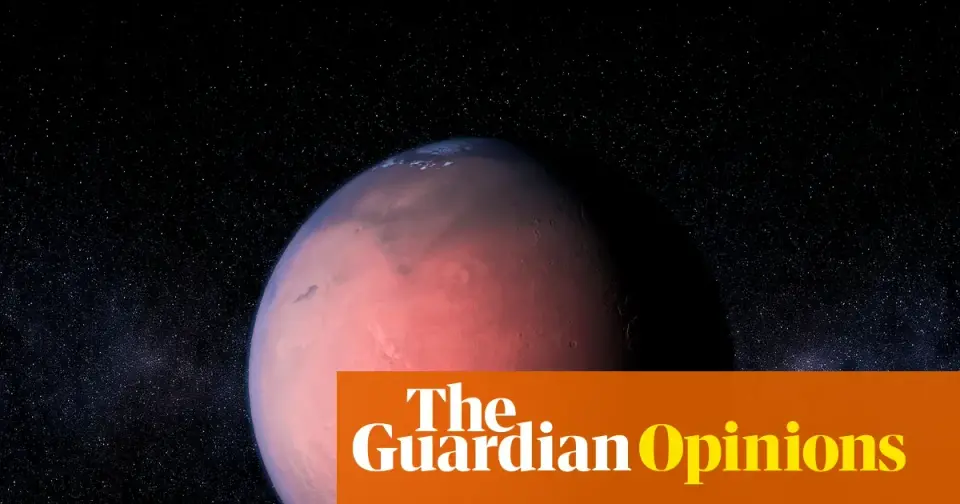
While private and national agencies pursue Mars colonization, scientific consensus indicates that terraforming is impossible with current technology, forcing future settlements into sealed, pressurized habitats. Recent failures like Mars One highlight the risks of unrealistic timelines, though experts remain optimistic about achieving a colony by 2050 through local resource utilization.
Key points
- A 2018 study by Bruce Jakosky and Christopher Edwards concluded that Mars cannot be terraformed with present-day technology, as available carbon dioxide is insufficient to warm the planet or support liquid water on the surface.
- The Mars One project, which promised a one-way human mission to Mars by 2027, filed for bankruptcy in 2019 after failing to secure broadcasting deals or alternative revenue, exposing the fragility of its business model.
- Serkan Saydam, a space engineer at the University of New South Wales, argues that a human colony on Mars is achievable by 2050, relying on extracting water from Martian ice for agriculture and rocket fuel, though early settlements will remain dependent on Earth for equipment.
- National space agencies are advancing their own timelines: China aims for crewed Mars missions starting in 2033, while NASA plans to land astronauts in the late 2030s or early 2040s.
- Long-term human health on Mars remains unknown, as there is no scientific precedent for living indefinitely at 38% of Earth's gravity or managing the psychological and physical impacts of prolonged radiation exposure.
Background
Previous coverage noted that Martian dust poses a significant contamination risk to habitats and spacesuits, complicating the feasibility of self-sustaining settlements. This aligns with broader concerns about the physical and psychological toll of long-duration space travel, as highlighted by the failed Mars One initiative.
How outlets are covering it
The Guardian offers a skeptical, almost dismissive view of Mars colonization, framing it as a 'tech-utopian pipe dream' and comparing it to failed promises like the metaverse. It emphasizes the grim reality of dying on Mars and the absurdity of a one-way mission. In contrast, Space Daily provides a more nuanced, scientifically grounded perspective, acknowledging that while terraforming is impossible, living in sealed habitats is a solvable engineering challenge. Starlust.org presents an optimistic view, citing experts who believe a colony is achievable by 2050, focusing on resource extraction and economic viability. The outlets disagree on the feasibility and desirability of Mars colonization, with The Guardian viewing it as a futile endeavor, while Space Daily and Starlust.org see it as a difficult but achievable goal.
Why it matters
The debate over Mars colonization highlights the tension between ambitious technological promises and scientific reality. It underscores the need for realistic timelines and sustainable business models in space exploration, while also raising critical questions about human health and long-term survival in extreme environments.
What to watch
Watch for progress in habitat design, radiation shielding, and the first long-duration missions that will test human health in low-gravity environments. The success of these missions will determine whether Mars colonization remains a distant dream or a tangible reality.
- Tech barons dream of human colonies on Mars – but I can’t think of a worse place to die | Jordan Prosser The Guardian
- Mars is usually named as humanity's most likely second home, but a NASA-funded study concluded it cannot be terraformed with present technology, and until that changes, living there would mean sealing yourself against near-vacuum, deep cold and steady Space Daily
- Mars could become humanity's second home by 2050, says space resources engineer starlust.org
Want the full story? Read the original reporting
Read on The Guardian