
NASA Accelerates Venus Missions After Budget Turmoil
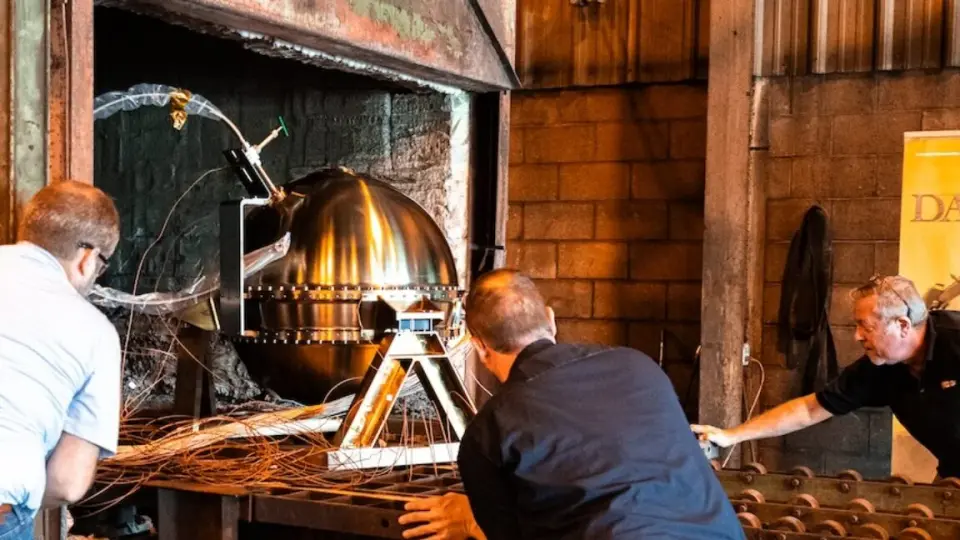
NASA has confirmed accelerated launch schedules for its DAVINCI and VERITAS missions to Venus, with DAVINCI now targeting December 2030 and VERITAS November 2032. Recent budget cuts forced NASA to withdraw from providing a radar instrument for the European Space Agency’s EnVision mission, but freed up funds to expedite the US-led projects. DAVINCI will deploy a descent probe to capture the first surface images since 1982, while VERITAS will map the planet’s surface via radar. These developments follow a period of uncertainty where budget pressures nearly canceled VERITAS, though advocacy from the scientific community helped secure its survival.
Key points
- DAVINCI launch date moved up to December 2030, a 54-week acceleration from previous plans, utilizing a low-energy trajectory.
- VERITAS is confirmed for a November 2032 launch, arriving at Venus in mid-2033 to begin radar mapping operations.
- NASA withdrew from providing a synthetic aperture radar for the ESA’s EnVision mission due to budget constraints, prompting ESA to build a European replacement.
- DAVINCI’s entry probe successfully passed thermal testing, maintaining internal temperatures below 30°C during simulated descent conditions.
- The DAVINCI probe will descend to the surface in October 2032, relaying data via a carrier spacecraft before the probe is lost in the atmosphere.
Background
Venus exploration had been dormant for decades, with NASA’s last mission, Magellan, ending in 1994. Recent interest surged after NASA and ESA selected three Venus missions in 2021, but subsequent budget cuts and the cancellation of Mars Sample Return created uncertainty. Private efforts, such as Rocket Lab’s delayed Venus Life Finder mission, also aim to probe the planet’s clouds, though they face launch delays due to rocket qualification issues.
Why it matters
The revival of Venus missions marks a shift in planetary science priorities, moving beyond Mars and icy moons to study Earth’s twin. Understanding Venus’s runaway greenhouse effect and surface geology is critical for climate science and future space exploration. The successful acceleration of these missions despite budget cuts demonstrates the resilience of the scientific community and the strategic importance of Venus in the broader space exploration portfolio.
What to watch
NASA will continue testing DAVINCI’s instruments and finalize the carrier spacecraft trajectory. ESA will proceed with building its own radar for EnVision, targeting a 2032 launch. Private companies like Rocket Lab will continue efforts to launch their Venus probes, potentially as early as late 2027 if rocket tests succeed. Scientific advocacy groups will likely continue to push for sustained funding for planetary science to prevent further delays.
Want the full story? Read the original reporting
Read on Ars Technica