
New Method Maps Dynamic Cause-and-Effect Relationships
TL;DR Summary
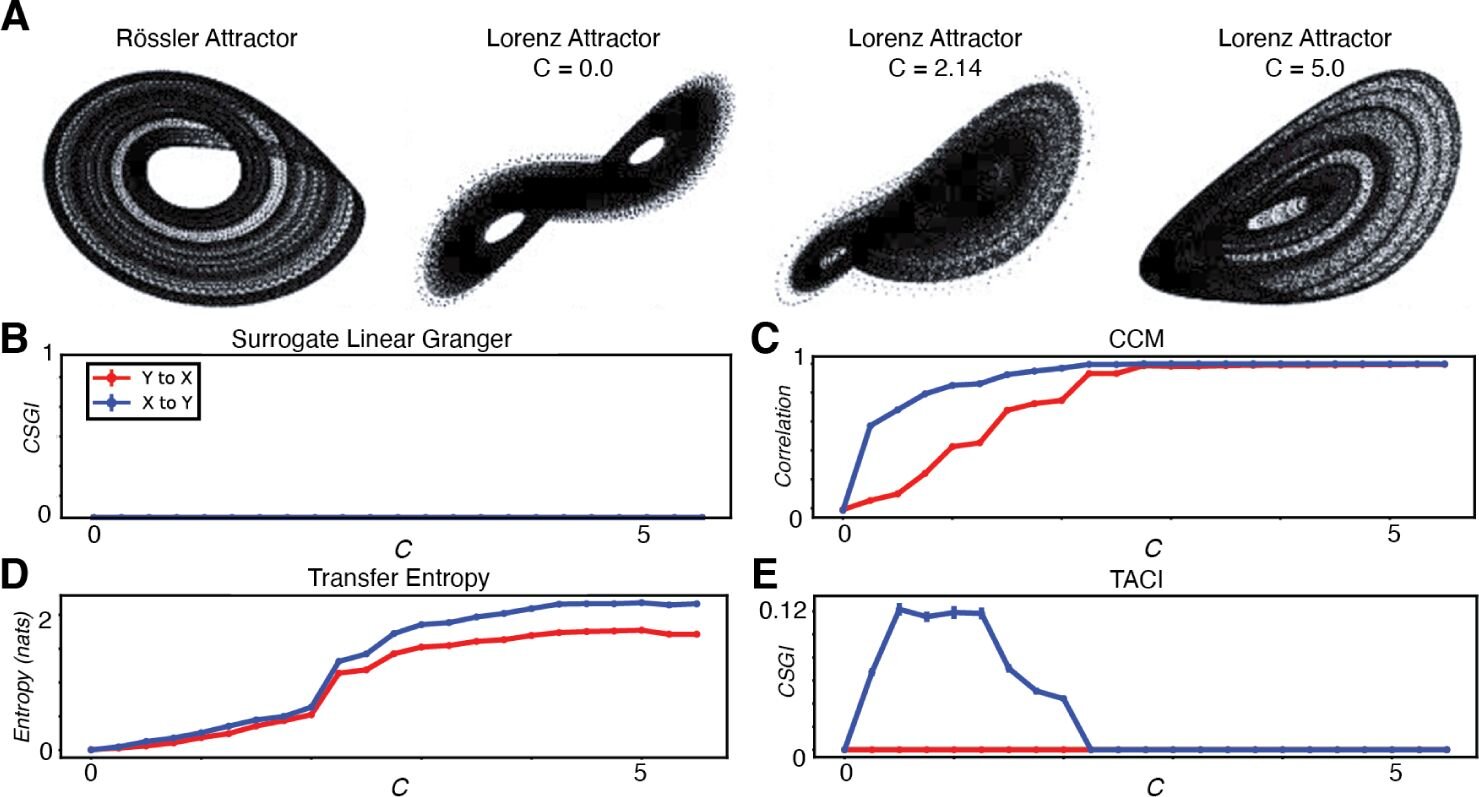
Researchers have developed a new computational method called Temporal Autoencoders for Causal Inference (TACI) to identify and measure the direction and strength of causal interactions that change over time in dynamic systems. This method, validated on both synthetic and real-world datasets, outperforms existing models by accurately predicting time-varying causal relationships without retraining. TACI has shown promise in applications such as weather data analysis and brain imaging, although it requires significant computational resources. The approach could enhance understanding of complex systems like brain networks.
Topics:science#brain-research#causal-inference#dynamic-systems#machine-learning#science-and-technology#temporal-autoencoders
Reading Insights
Total Reads
0
Unique Readers
15
Time Saved
4 min
vs 5 min read
Condensed
91%
909 → 83 words
Want the full story? Read the original article
Read on Phys.org