
Patent data reveals hazardous solvents dominate chemistry despite green initiatives
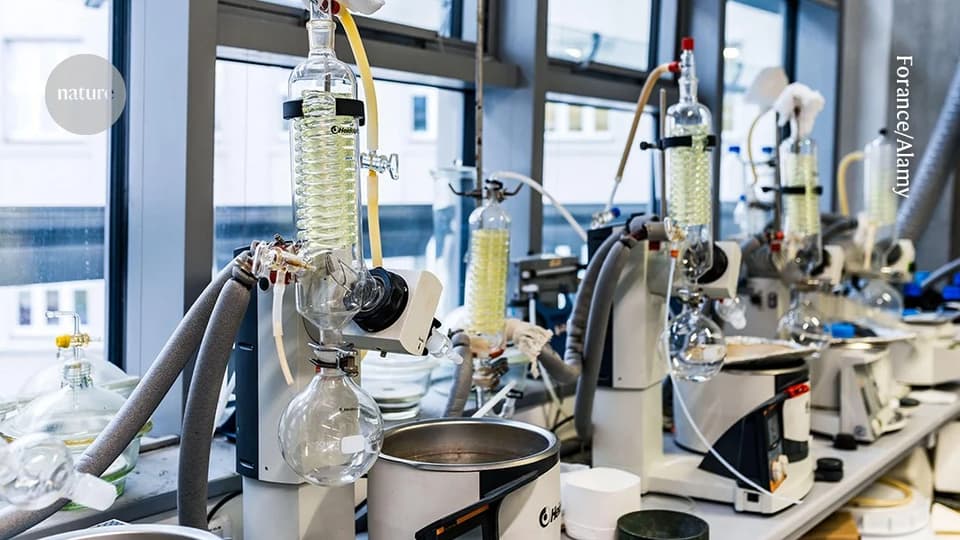
A comprehensive analysis of 1.3 million chemical reactions in patents from 1976 to 2016 reveals that the use of hazardous solvents has increased rather than decreased over the past four decades. Despite nearly 30 years of efforts to promote greener alternatives, dangerous liquids like dichloromethane remain the preferred choice for over 70% of reactions in recent years. The study highlights a persistent reliance on petrochemical-derived solvents, even when regulations restrict specific toxic substances, often leading chemists to switch to other hazardous options rather than safer ones.
Key points
- A survey of 1.3 million reactions in US patents shows hazardous solvent use rose from 60% in 1976 to over 70% by 2016.
- Researchers found that when one toxic solvent is regulated, chemists frequently substitute it with another hazardous liquid instead of a green alternative.
- The use of trifluoroacetic acid, a persistent 'forever chemical' linked to PFAS pollution, has seen a substantial rise in patent literature.
- Early-stage drug discovery drives this trend, as researchers prioritize speed and precedent over environmental safety.
- The study notes that manufacturing processes often eliminate hazardous solvents, but the patent data reflects exploratory research phases.
Background
This finding aligns with broader concerns about the persistence of PFAS and other hazardous chemicals in the environment, as noted in previous coverage of 'forever chemicals' and environmental hazards. While earlier archive items focused on unrelated topics like sports and submarine geology, the current story connects to ongoing debates about chemical sustainability and the gap between regulatory goals and practical laboratory practices.
Why it matters
The continued dominance of hazardous solvents undermines global sustainability goals and poses significant risks to human health and the environment. The reliance on petrochemical-derived liquids contributes to carbon emissions and pollution, while the rise of PFAS compounds exacerbates contamination in waterways and ecosystems. Addressing this issue requires shifting incentives in early-stage research and developing scalable green alternatives that do not compromise the speed of drug discovery.
What to watch
Researchers and policymakers may push for stricter regulations on solvent use in early-stage research and greater investment in green chemistry alternatives. The development of AI tools like Rxn-INSIGHT could help identify safer reagents and solvents, potentially accelerating the transition to sustainable practices in laboratories and manufacturing.
Want the full story? Read the original reporting
Read on Nature