
NISAR Radar Reveals Hidden Glacier Dynamics in Antarctic Ice
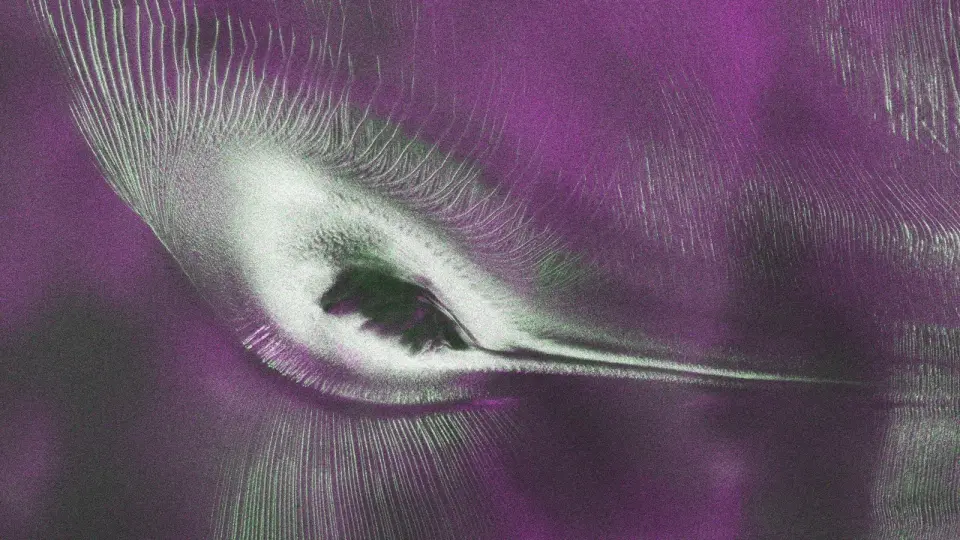
A joint US-Indian satellite has captured a striking radar image of Antarctic ice that resembles a magenta-green hummingbird. The visual is not a biological entity but a representation of geological stress and ice flow patterns around a mountain peak, revealing details hidden beneath the snow surface.
Key points
- The image was captured by NISAR (NASA-ISRO Synthetic Aperture Radar), a satellite orbiting approximately 450 miles above Earth.
- The 'hummingbird' shape is actually the geographical feature Nunatak Zaterjavshijsja in East Antarctica, surrounded by flowing ice.
- Green lines in the image indicate deep crevasses formed by ice stress, while magenta areas represent smooth, unaffected ice surfaces.
- NISAR uses L-band radar to penetrate snow and ice, providing structural details invisible to optical cameras.
- Data from NISAR is now publicly available through NASA's Vertex Data Search and ISRO's Bhoonidhi portal.
Background
This development follows the public release of NISAR data in July 2026, shortly after the satellite's launch. Previous coverage highlighted how this radar technology reveals hidden ice dynamics, such as the same hummingbird pattern observed in earlier reports. The satellite has also captured images of urban grids, agricultural fields, and landslides since its deployment.
Why it matters
This image demonstrates the capability of synthetic aperture radar to map subsurface geological structures and ice movement in polar regions. By visualizing stress patterns and crevasses, scientists can better understand glacier dynamics, which is critical for monitoring climate change impacts and predicting ice flow toward the ocean.
What to watch
Scientists will continue analyzing NISAR data to map ice movements and geological features globally. The public availability of this data allows researchers and the public to explore detailed topographical insights from the satellite's ongoing missions.
Want the full story? Read the original reporting
Read on Digital Camera World