
Unveiling Protein Production Locations and Potential Therapeutic Targets
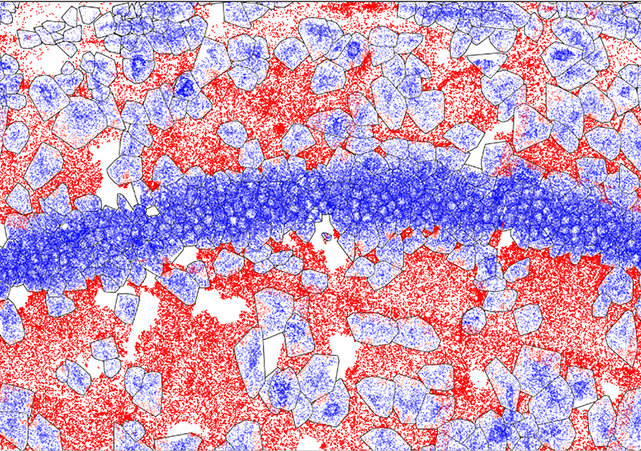
Scientists at MIT and the Broad Institute have developed a technique called RIBOmap that allows them to pinpoint and visualize the precise locations of thousands of proteins being produced within intact tissue and individual cells. By studying the translation of over 5,000 genes in mouse brain tissue, the researchers found key differences between where mRNA molecules are made and where the corresponding proteins are being translated, suggesting that cells regulate translation in ways that existing methods cannot detect. RIBOmap provides a powerful tool for studying translation regulation in different cell types and disease states, and has the potential to compare healthy and diseased tissue and investigate the impact of drugs on protein production.
Reading Insights
0
11
4 min
vs 5 min read
86%
824 → 113 words
Want the full story? Read the original article
Read on MIT News