
Martian rock at Bright Angel carries surface carbon; origin remains unclear
TL;DR
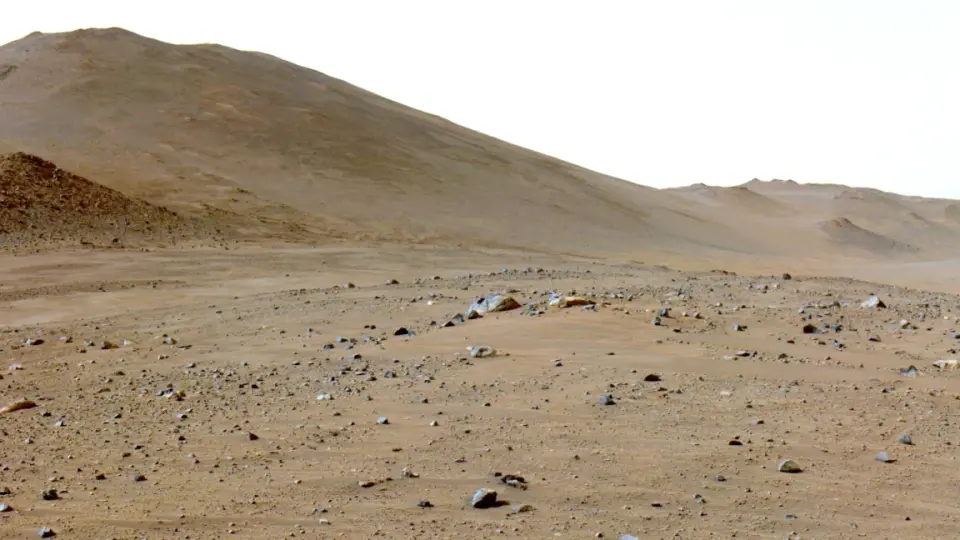
NASA’s Perseverance rover detected a shallow surface presence of macromolecular carbon on a Martian rock at Bright Angel in Jezero Crater using the SHERLOC UV Raman spectrometer. While the compound resembles terrestrial kerogen, researchers caution it could be biotic or abiotic, and have ruled out instrument artefacts and Earth contamination. The carbon appears associated with carbonate/sulfate minerals at one target and with silicate-rich sediment at another, suggesting multiple emplacement events over geologic time. Definitive biogenic origin remains uncertain until samples are returned to Earth for isotopic and chirality analyses.
Topics:sciencescience-space#bright-angel#macromolecular-carbon#mars#perseverance#science-space#sherloc
- A martian rock has lots of carbon on it, and it's not clear why Ars Technica
- Ancient Martian River Channel Yields Complex Organics Universe Today
- NASA’s Curiosity rover has identified the most diverse set of organic molecules yet found on Mars, including seven never before detected there, from a sample drilled in 2020 and studied for years before the chemistry finally came into focus Space Daily
- Complex carbon in Mars rocks: Another clue to past life? EarthSky
- Top science discoveries of June: Mars clues and supercomputers Latest news from Azerbaijan
Want the full story? Read the original reporting
Read on Ars Technica