
Avocado Breeding Revolution: New B-Type Varieties Combine Pollination and Marketability
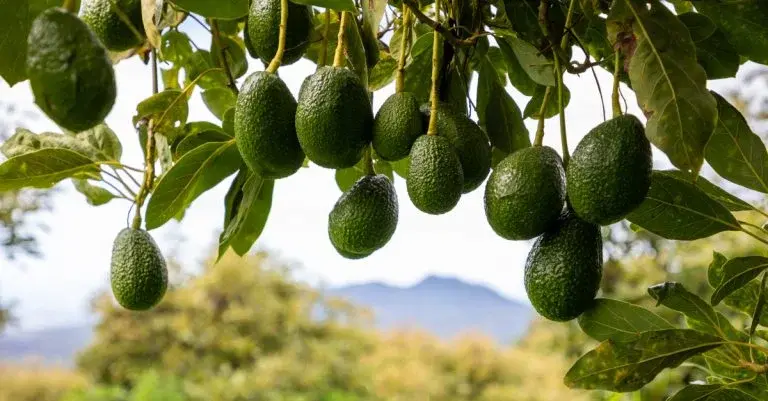
Avocado flowers have used the same gene, SDMYB, to regulate their two-phase blooming schedule for 42 million years. This ancient mechanism allows flowers to act as both female and male at different times, facilitating cross-pollination. While the popular Hass variety is an A-type that blooms in the morning, growers traditionally planted B-type trees to provide pollen. However, these B-type 'buddy' trees produced less marketable fruit, wasting resources. New breeding techniques now allow for the creation of B-type varieties that effectively pollinate A-types while also producing high-quality, marketable fruit, potentially eliminating the need for non-productive pollinizer trees.
Key points
- The SDMYB gene, which controls avocado flower sex timing, has remained unchanged for 42 million years.
- Avocado flowers open twice over two days: first in a female phase to receive pollen, then in a male phase to release it.
- The popular Hass avocado is an A-type, meaning it blooms in the morning; B-type trees bloom in the afternoon to ensure cross-pollination.
- Traditional B-type pollinizer trees produced less marketable fruit, creating an economic and spatial burden for growers.
- New breeding methods allow for B-type varieties that serve as effective pollinizers while also producing desirable, marketable fruit.
- This advancement may reduce the need for the previous 'ten-year getting-to-know-you phase' in breeding and improve overall grove efficiency.
Background
Recent coverage in our archive has explored various reproductive behaviors in nature, such as how heat affects mating signals in burying beetles, and human relationships sparked by shared interests like books. These stories highlight the complexity of reproductive strategies across species, providing a backdrop for understanding the ancient and stable reproductive mechanisms in avocados.
Why it matters
This discovery offers a significant solution to a long-standing agricultural problem. By breeding B-type avocados that are both effective pollinizers and produce marketable fruit, growers can optimize their groves, reduce wasted resources, and potentially increase overall yield and profitability. It also highlights the remarkable stability of certain genetic mechanisms over geological time scales.
What to watch
The next steps likely involve the widespread adoption and testing of these new B-type varieties in commercial groves to assess their performance in terms of pollination efficiency and fruit quality. Researchers and breeders will continue to monitor the long-term stability and productivity of these new varieties.
- The avocado's sex life has run on the same schedule for 42 million years Boing Boing
- Groundbreaking discovery could remake California's avocado breeding SFGATE
- Study Reveals How Avocados Reverse Sexes Throughout the Day UC Davis
- California scientists find avocado gene that reveals flower type years before trees bloom Yahoo
- Jeffrey Groh in greenhouse (IMAGE) EurekAlert!
Want the full story? Read the original reporting
Read on Boing Boing