Tag

Pollination

All articles tagged with #pollination

Warm Winters Push North American Bee Swarms Forward, Upending Beekeeping
environment9 days ago

Warm Winters Push North American Bee Swarms Forward, Upending Beekeeping

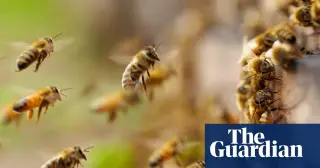
North America’s 2026 bee swarm season began about 17 days earlier than last year, a shift linked to unusually warm winters and climate-driven changes in flowering that are accelerating bee activity; this follows years of record colony losses and, compounded by resilient varroa mites and competition with wild bees, raises concerns for pollination-dependent agriculture valued at roughly $15 billion and is prompting beekeepers to rethink seasonal management.

Underground Empire: 5.5 Million Bees Nest in a New York Cemetery
science1 month ago

Underground Empire: 5.5 Million Bees Nest in a New York Cemetery

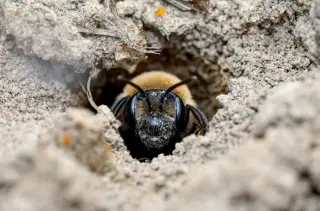
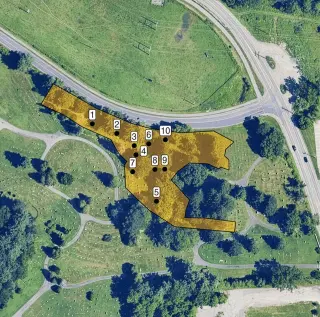
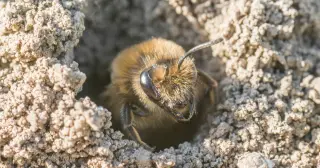
Researchers counting 3–8 million bees at East Lawn Cemetery in Ithaca, NY, estimate an average population of 5.5 million ground-nesting Andrena regularis. Using emergence traps over ~6,000 square meters, the study found males emerge first in April and highlighted nearby Cornell Orchards and sandy soil as key factors supporting this large, pesticide-free population. The work underscores cemeteries as biodiversity hotspots and pollinator habitats, and it launches a global citizen-science effort to document other ground-nesting bee populations.

Millions of ground-nesting bees found thriving beneath a cemetery
animals1 month ago

Millions of ground-nesting bees found thriving beneath a cemetery

Scientists discovered a massive underground colony of ground-nesting bees (Andrena regularis) beneath East Lawn Cemetery in Ithaca, New York, estimating 3.1 to 8 million bees emerged in a single season—enough activity to rival hundreds of honeybee hives—highlighting the crucial role of solitary bees in pollination and biodiversity and underscoring cemeteries as overlooked habitats that deserve protection; the study notes low parasitism and timing patterns in bee emergence that aid survival.

Superfood Boosts Honeybee Conservation and Global Health
science7 months ago

Superfood Boosts Honeybee Conservation and Global Health

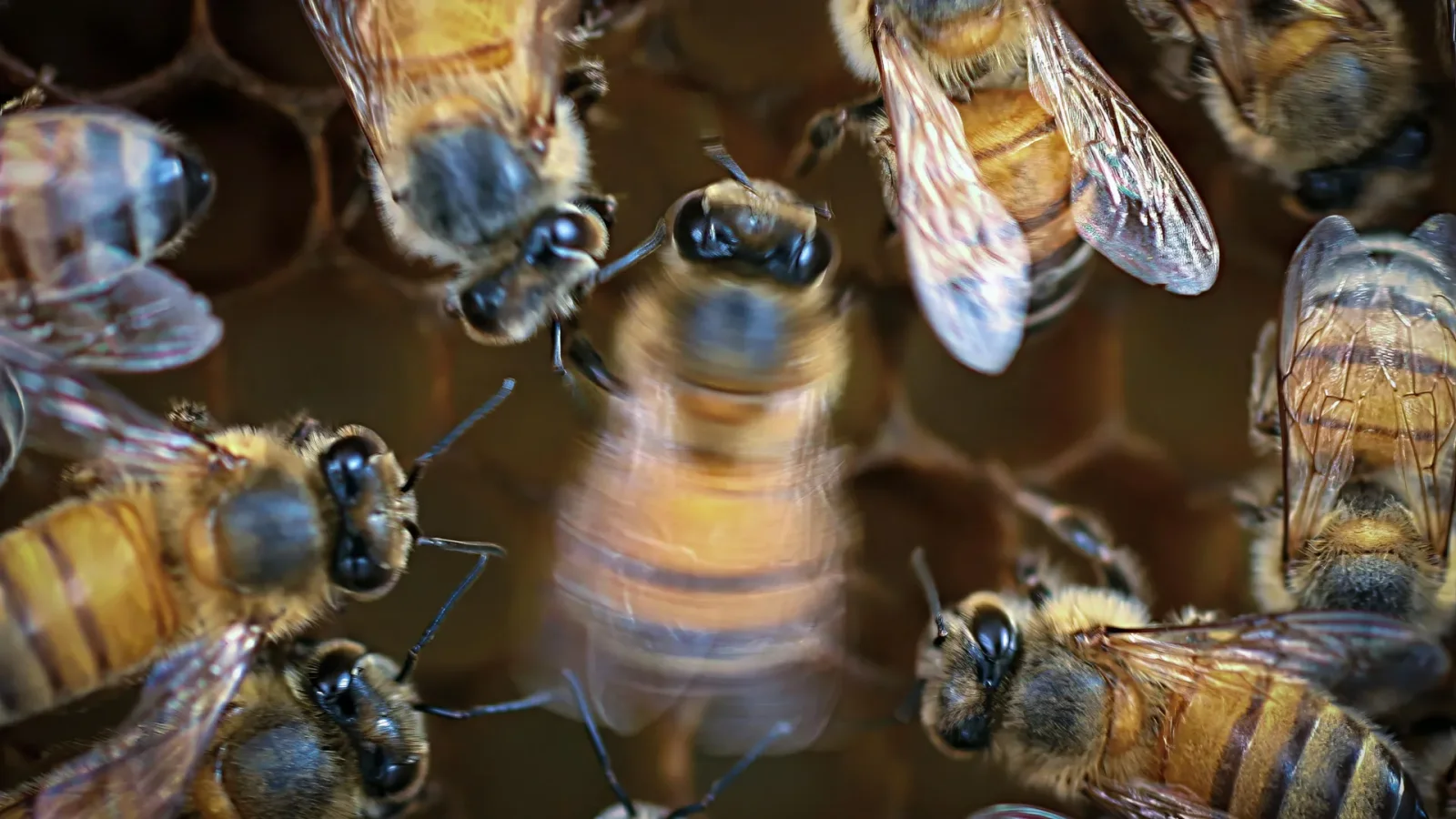
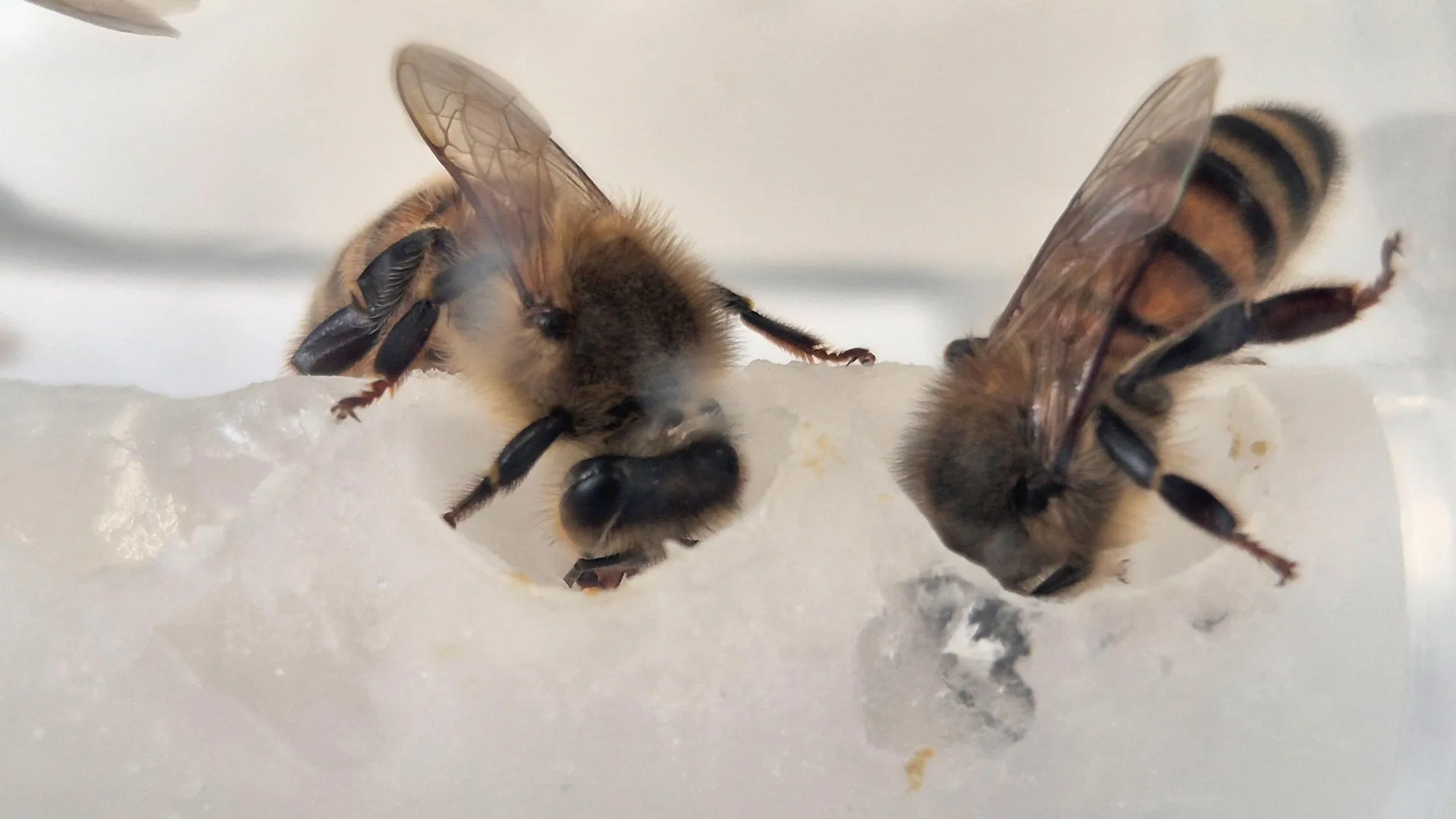
A new study highlights the importance of specific sterols in honeybee diets, particularly 24-methylenecholesterol, which is crucial for brood development. Researchers used genetic engineering to produce these sterols in yeast, creating a potential supplement to support bee colonies during pollen shortages, thereby improving colony resilience and sustainability.

Are Dead Wasps Hidden Inside Figs?
science8 months ago

Are Dead Wasps Hidden Inside Figs?

Most supermarket figs are bug-free and do not contain wasps, as many fig varieties can ripen without pollination by wasps, though some wild and certain cultivated figs rely on wasps for pollination, which is part of a complex mutualistic relationship essential for the reproduction of specific fig species.

Innovative Superfood and Probiotics Boost Honeybee Survival
science9 months ago

Innovative Superfood and Probiotics Boost Honeybee Survival

Researchers have developed a synthetic, pollen-replacing superfood for honey bees that could improve their health, survival, and pollination services, potentially saving declining bee populations and supporting global food security. The innovation, tested successfully in trials, aims to provide essential nutrients to bees in environments with poor natural pollen sources and is expected to be available in the U.S. by mid-2026.

Scientists develop superfood and probiotics to combat honeybee decline
science9 months ago

Scientists develop superfood and probiotics to combat honeybee decline

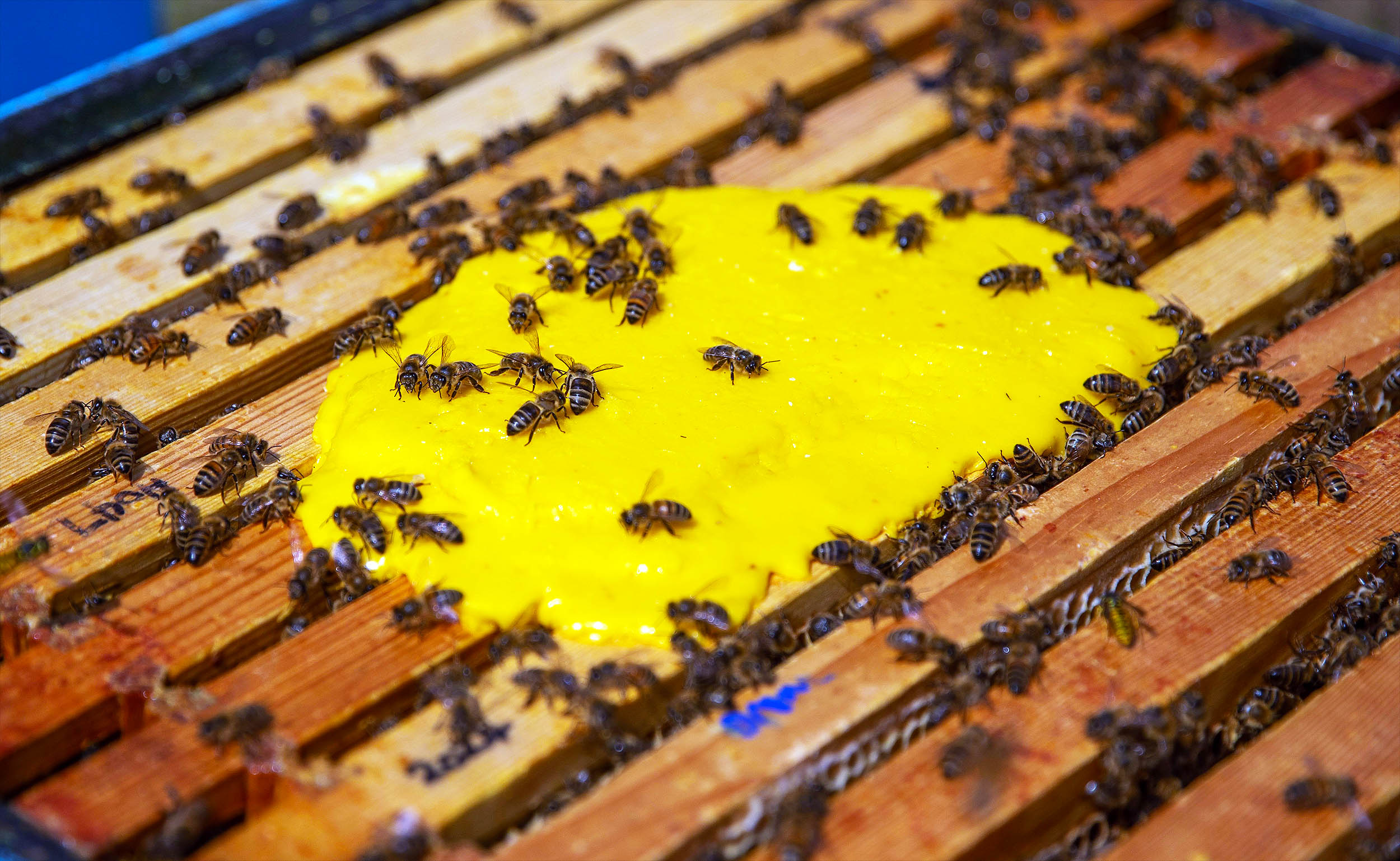
Scientists have developed a nutrient-rich, pollen-replacing superfood for honey bees that can sustain colonies indefinitely, addressing issues of poor nutrition and colony collapse. This artificial diet, resembling human power bars, provides essential nutrients, including a critical compound called isofucosterol, and has shown promising results in improving bee survival and colony health, potentially transforming pollination practices and food security. The product is expected to be available in the U.S. by mid-2026.

Flower-Filled Dikes Serve as Insect Highways for Rare Bees
environment10 months ago

Flower-Filled Dikes Serve as Insect Highways for Rare Bees

A study in the Netherlands found that flower-filled dikes host a diverse and often rare bee population, including species on the red list, and are more effective for bee conservation than agricultural flower strips. Increasing flower diversity on dikes could boost bee populations, benefiting biodiversity and food pollination, with potential for further ecological improvements.