
New Mitoproteome Atlas Reveals 33 Parasite-Specific Protein Families for Drug Development
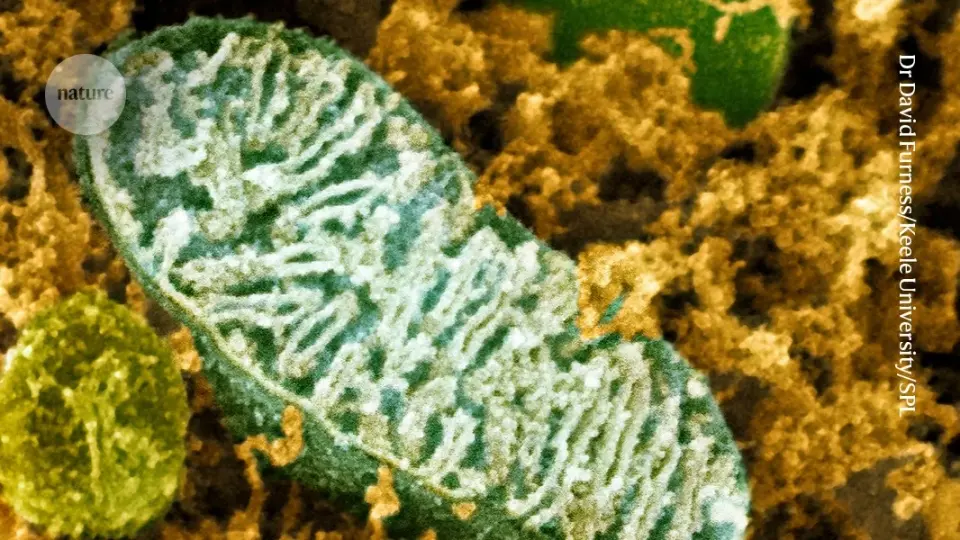
A team led by Vamsi Mootha has mapped mitochondrial proteins across six eukaryotic organisms, identifying 33 protein families unique to pathogens and absent in humans. Published in nine papers, this atlas offers new drug targets for diseases like malaria and sleeping sickness while challenging current theories on mitochondrial evolution.
Key points
- Researchers cataloged mitochondrial proteins in five parasites and one plant, adding to data from humans and yeast.
- The combined dataset includes 8,619 proteins organized into 3,199 families, with 43% not previously recorded in the Pfam database.
- In Giardia lamblia alone, 27 new mitochondrial proteins were identified, 34 of which have unknown functions.
- Thirty-three protein families are conserved in eukaryotic pathogens but missing in humans, offering potential for targeted therapies.
- The findings reignite debate regarding the timing and mechanism of mitochondrial endosymbiosis two billion years ago.
Background
This study follows a trend in 2026 of comprehensive biological mapping, such as the single-nucleus atlas for brain disorders and the prefrontal cortex gene activity map. While those focused on human neural tissue, this work expands the scope to the eukaryotic tree of life, specifically addressing gaps in understanding organelle evolution and pathogen biology.
Why it matters
The identification of parasite-specific mitochondrial proteins provides a direct pathway for developing drugs that target pathogens without harming human cells. This could lead to more precise treatments for major infectious diseases like malaria, sleeping sickness, and giardiasis, which affects 280 million people annually. Additionally, the new data may resolve long-standing evolutionary questions about the origin of the mitochondrion.
What to watch
Researchers will likely investigate the unknown functions of the newly identified proteins, particularly the 34 in Giardia with uncharacterized roles. The 33 pathogen-specific protein families will be prioritized for drug development trials to test their efficacy as therapeutic targets.
Want the full story? Read the original reporting
Read on Nature