
Systematic mutation of phage ΦX174 reveals AI's limits in predicting biological outcomes
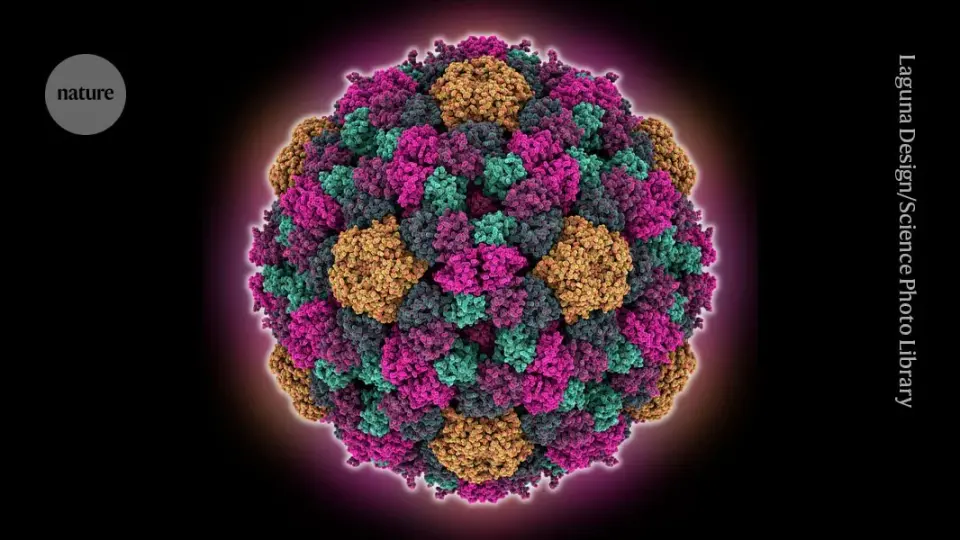
Researchers at the Wellcome Sanger Institute and other institutions systematically mutated every nucleotide and amino acid in the bacteriophage ΦX174, creating over 44,000 variants. While half of single-nucleotide changes and 60% of amino-acid alterations proved harmful, current AI models failed to accurately predict these biological consequences, highlighting significant gaps in computational biology despite the virus's extensive prior study.
Key points
- The study represents the first time nearly every nucleotide in a full genome was systematically mutated and tested for fitness effects.
- Researchers created over 44,000 variants by altering individual nucleotides and amino acids in the 5,386-nucleotide genome of phage ΦX174.
- Fitness was measured by culturing variants with Escherichia coli for 80 minutes, allowing two to three infection cycles to determine survival.
- Approximately 25% of harmful mutations remained unexplained, with researchers unable to determine their specific biological impact.
- Top artificial-intelligence models struggled to predict the effects of these mutations, indicating a need for more experimental data to improve biological AI tools.
Background
Phage ΦX174 is a historically significant virus, having been the first whole genome sequenced in the 1970s and the first chemically synthesized in the 2000s. It has also been the subject of the first AI-designed viral genomes. This new study builds on that legacy by providing exhaustive experimental data to test the predictive power of modern AI in biology.
Why it matters
The findings demonstrate that even in one of the most well-studied biological systems, current AI lacks the precision to reliably predict the outcomes of genetic changes. This underscores the critical need for high-quality experimental datasets to train and validate biological AI models, preventing over-reliance on computational predictions in genomic research.
What to watch
Researchers will likely focus on generating more comprehensive experimental datasets to improve the accuracy of AI models in predicting mutation effects. Future studies may also investigate the specific mechanisms behind the unexplained harmful mutations to enhance understanding of viral fitness and protein interactions.
Want the full story? Read the original reporting
Read on Nature