
Slime moulds spark fierce debate over the definition of intelligence
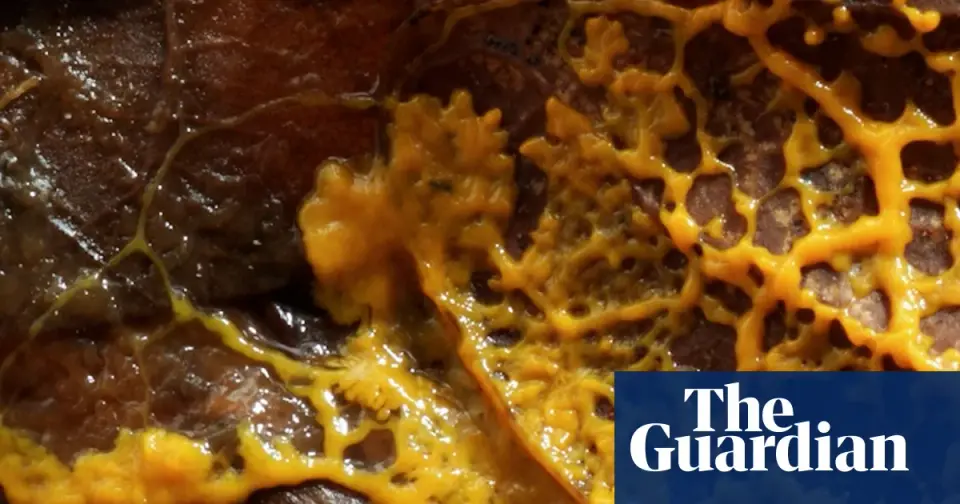
A long-running scientific and philosophical dispute over whether slime moulds possess intelligence has intensified, challenging traditional views of simple organisms and potentially reshaping our understanding of life and human cognition.
Key points
- The debate centers on whether organisms like Physarum polycephalum, once dismissed as 'simple masses of protoplasm,' should be classified as intelligent.
- Researcher Toshiyuki Nakagaki, who began studying slime moulds in Hokkaido four decades ago, noted their surprising speed and complex behaviors.
- The controversy extends beyond biology into philosophy, questioning the boundaries of intelligence and humanity's place in the natural world.
- Critics argue that labeling such organisms as intelligent is 'dangerous' and could undermine established scientific frameworks.
- The discussion highlights a broader trend in science of re-evaluating non-human cognition and the mechanisms behind decision-making in non-neural systems.
Background
This debate builds on earlier scientific discussions about non-human intelligence, particularly in the context of AI and machine learning, where systems without biological brains exhibit problem-solving behaviors. The archive notes growing concerns about AI autonomy and its implications for security and society, which parallels the philosophical questions raised by slime moulds about the nature of intelligence. While AI debates focus on artificial systems, the slime mould controversy addresses biological intelligence in organisms previously considered too simple to exhibit such traits.
Why it matters
The outcome of this debate could fundamentally alter how scientists and philosophers define intelligence, potentially leading to new frameworks for understanding cognition in non-human organisms. It may also influence fields like robotics and AI, where biomimicry of slime mould behavior is used to design efficient networks and problem-solving algorithms. Recognizing intelligence in simple organisms could challenge anthropocentric views and reshape ethical considerations regarding non-human life.
What to watch
Expect continued research into the cognitive abilities of slime moulds and other non-neural organisms, with potential implications for AI development and philosophical discussions on consciousness. The debate may also lead to new scientific classifications and ethical guidelines for studying and interacting with organisms previously deemed 'simple.'
Want the full story? Read the original reporting
Read on theguardian.com