
The 147-Year-Old Seed Experiment Still Digging Up Surprises
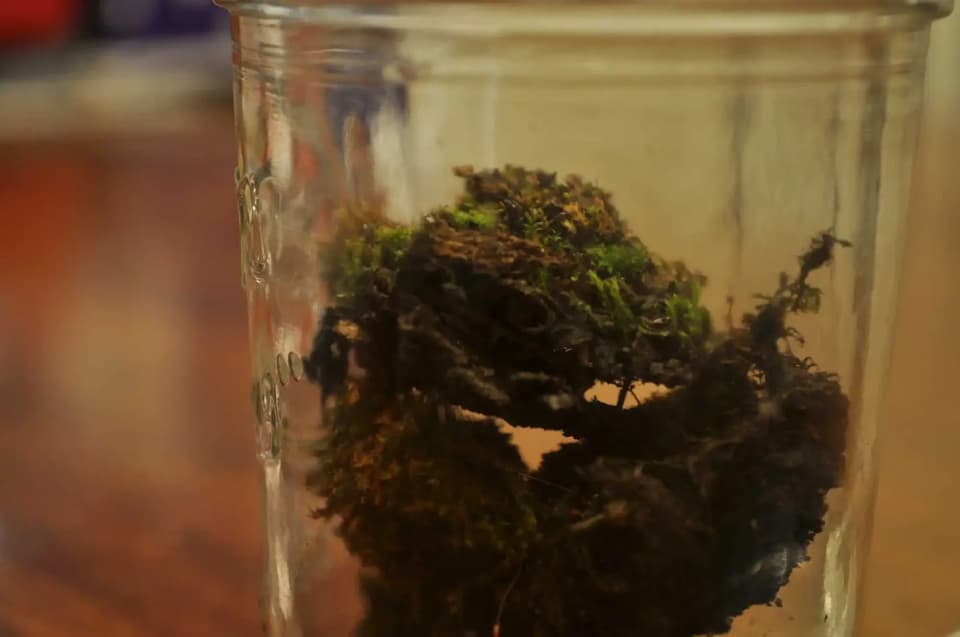
The Beal Seed Experiment, initiated in 1879 by botanist William James Beal, remains the longest-running active botanical study in the United States. Beal buried 20 bottles containing over 1,000 seeds each from various species in soil to test their viability over time. The experiment has evolved, shifting from a five-year to a 20-year retrieval schedule. The most recent dig in 2021 yielded only 20 sprouting seeds, all from the mullein family, demonstrating that weeds possess superior longevity. The project continues at Michigan State University, with the final bottle scheduled for retrieval around 2100, providing critical data for climate-resilient crop development and seed bank preservation.
Key points
- William James Beal began the experiment in 1879 by burying 20 bottles of seeds in soil to test germination viability over decades.
- The retrieval schedule changed from every five years to every 20 years by 1980, with the final bottle expected to be dug up around 2100.
- The 2021 dig, delayed by the pandemic, resulted in only 20 sprouting seeds, all identified as moth mullein or hybrids, highlighting the resilience of weeds.
- Current researchers at Michigan State University use extreme cold and fire smoke simulations to attempt reviving non-sprouting seeds.
- Findings from the experiment inform genetic targets for creating crops resilient to changing climates and support global seed bank strategies.
Background
This long-term study provides a unique baseline for understanding seed dormancy and longevity, a topic that has gained relevance in discussions about food security and biodiversity preservation. While previous archive entries focused on sports contracts, the Beal Experiment stands out as a singular scientific endeavor that has persisted across generations of researchers, offering insights that modern agricultural science relies upon to mitigate the impacts of climate change on global food supplies.
Why it matters
The Beal Seed Experiment offers empirical data on how specific plant species survive long periods of dormancy, which is crucial for developing crops that can withstand extreme weather conditions. As climate change alters growing seasons and environmental stresses, understanding the molecular basis of seed longevity allows scientists to bioengineer more resilient crops. This research also aids in maintaining seed banks, which are vital for preventing catastrophic crop failures and ensuring global food stability. The experiment's longevity provides a rare, continuous dataset that cannot be replicated in a laboratory setting, making it indispensable for future agricultural planning and biodiversity conservation efforts.
What to watch
The next bottle is scheduled to be retrieved around 2040, with only four bottles remaining in the ground. Researchers will continue to test various revival techniques on non-sprouting seeds from previous digs, including simulating winter conditions and fire exposure. The ultimate goal is to determine if dormant seeds can be revived under specific conditions, providing further insights into seed longevity and resilience. The experiment will conclude around 2100 when the final bottle is dug up, marking the end of a 147-year scientific journey.
Want the full story? Read the original reporting
Read on Upworthy