
Whales Boost Heart Rate During Deep-Dive Lunges to Fuel Prey Capture
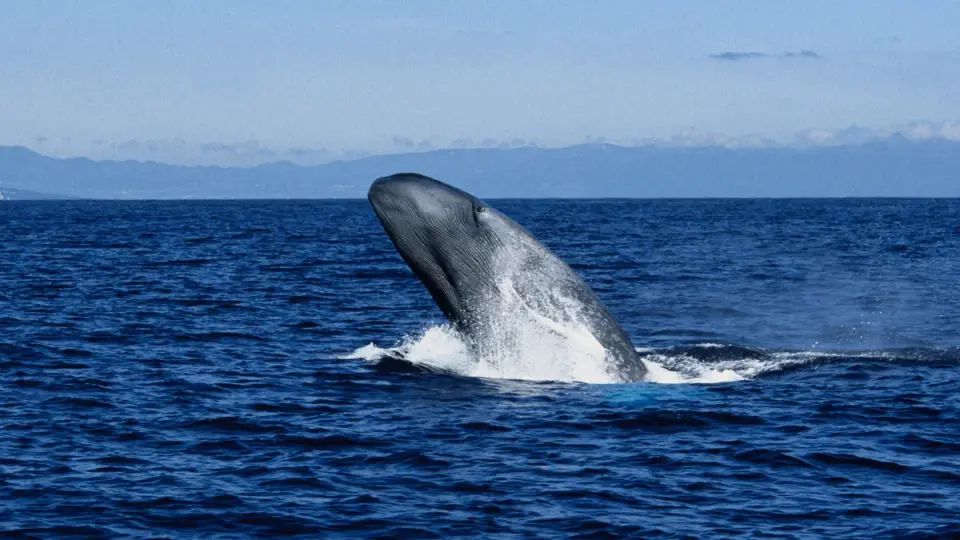
Researchers at Stanford University’s Hopkins Marine Station have solved a long-standing mystery regarding how blue and humpback whales maintain energy during deep dives. By attaching custom suction-cup tags to nine whales in California and Antarctica, the team discovered that these animals do not maintain a constant slow heartbeat while foraging. Instead, their heart rates spike significantly during lunges to support intense physical exertion, then gradually decline as they filter water. This flexible cardiovascular response allows whales to balance oxygen conservation with the high energy demands of hunting, similar to human recovery patterns after interval sprints. The study also captured the first reliable resting heart rate measurement for a free-ranging humpback whale, revealing a rate of 18.5 beats per minute, which aligns with metabolic expectations for large mammals.
Key points
- Ashley Blawas and her team published a study in PNAS detailing how rorqual whales manage oxygen usage during deep dives.
- Custom tags with ECGs, accelerometers, and gyroscopes were attached to five blue whales and four humpback whales for 12 to 36 hours.
- Data showed blue whale heart rates reached 21.9 beats per minute and humpback rates reached 28.2 beats per minute immediately after lunging.
- Heart rates remained elevated after the lunge and slowly decreased during the filtering phase, indicating reliance on anaerobic energy stores.
- A resting humpback whale was recorded with a heart rate of 18.5 beats per minute, providing a baseline for future health and stress assessments.
Background
Previous coverage highlighted the blue whale as the largest living animal on Earth, noting its massive size and the challenges of studying such large marine creatures. Earlier reports also discussed how blue whales use ultra-low frequency calls for communication, which may help them evade predators like orcas. This new study adds to the understanding of whale physiology by focusing on cardiovascular mechanics rather than acoustic behavior or physical dimensions.
Why it matters
Understanding how whales regulate heart rate during dives provides critical insights into their metabolic health and stress levels. This data can help scientists assess the impacts of environmental changes, such as noise pollution or shifts in prey populations, on whale populations. The findings also clarify the biomechanical limits of large marine mammals, explaining how they sustain high-energy activities despite extreme oxygen conservation strategies.
What to watch
Researchers plan to use the established resting heart rate baselines to monitor the health of individual whales over time. Future studies may expand the use of these tags to assess how environmental stressors affect cardiovascular function in wild populations. The team also intends to refine tag technology to improve signal quality and attachment duration for more comprehensive data collection.
Want the full story? Read the original reporting
Read on ScienceAlert