Tag

Heart Rate

All articles tagged with #heart rate

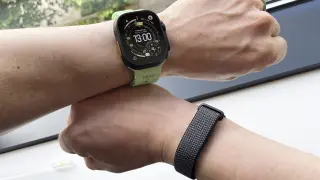
Seven essential first steps to set up Google's Fitbit Air
wearables37 minutes ago

Seven essential first steps to set up Google's Fitbit Air

Google’s Fitbit Air is a $99, screenless fitness tracker that works with the Google Health app. This seven‑step setup guide walks you through enabling alarms, setting wrist preference to improve step accuracy, adjusting vibration, sharing heart‑rate data with apps/equipment, selecting a main fitness goal, configuring heart‑rate warnings, and turning on AFib irregular rhythm alerts—delivering a quick, subscription‑free path to start tracking sleep and workouts.

Rectal exam unexpectedly slows AFib heartbeat in case report
health21 days ago

Rectal exam unexpectedly slows AFib heartbeat in case report

A 29-year-old man with atrial fibrillation experienced a racing heartbeat at hospital admission. A routine digital rectal exam, combined with a Valsalva maneuver, is thought to have stimulated the vagus nerve and slowed his heart rate to about 80 bpm, with the irregular rhythm resolving and not returning months later. Standard AFib treatments typically involve medications or electrical cardioversion; this rectal-exam approach is not established therapy and requires more research. The patient was also prescribed an anticoagulant to prevent clots.

Samsung Sensor OLED Unites Privacy Display with Heart-Rate Sensing in a 500ppi Panel
technology21 days ago

Samsung Sensor OLED Unites Privacy Display with Heart-Rate Sensing in a 500ppi Panel

Samsung Display’s Sensor OLED Display, unveiled at SID 2026, pairs a 6.8-inch 500ppi OLED panel with built-in privacy via Flex Magic Pixel and integrated organic photodiodes that can measure heart rate (and potentially blood pressure and fingerprints). The 33% jump in pixel density over last year’s 374ppi version matches modern flagship sharpness, leveraging a co-deposition process to fuse OLED and OPD elements in one layer, a technology also seen in the Galaxy S26 Ultra’s Privacy Display.

Unlock Your Workout: The Heart-Rate Zones That Maximize Fitness
health1 month ago

Unlock Your Workout: The Heart-Rate Zones That Maximize Fitness

A concise guide to using heart rate to tailor workouts: understanding resting and max heart-rate, aiming for about 50–85% of max HR for general fitness, with zone guidance for walking, steady-state cardio, weightlifting, and HIIT. It also warns about signs of overtraining or bradycardia, and offers practical tips (diaphragmatic breathing, warm-ups, hydration, sleep) and the use of wearables to track progress and improve efficiency.

Zone 2 cardio: the sustainable fat-burn pace experts favor over HIIT
health1 month ago

Zone 2 cardio: the sustainable fat-burn pace experts favor over HIIT

Experts are embracing Zone 2 training—maintaining roughly 60-70% of your maximum heart rate (max HR is commonly estimated as 220 minus your age)—as a sustainable path to fat loss and heart health. Zone 2 workouts like brisk walking, steady cycling, swimming, or easy jogging stay oxygen-rich and promote fat as fuel longer than high-intensity efforts. While HIIT can yield faster VO2 max gains, meta-analyses show similar or variable effects on body fat when comparing HIIT and steady aerobic training. Athletes often mix intensities, commonly with an 80/20 split favoring Zone 2 most of the time, and overreliance on Zone 2 alone may limit improvements. A smartwatch or fitness tracker can help you stay in the right zone.

Dial In Your Workout: The Heart-Rate Zones That Maximize Fitness
fitness3 months ago

Dial In Your Workout: The Heart-Rate Zones That Maximize Fitness

Experts say monitoring your heart rate helps you train safely and efficiently. For most people, aim for about 50-85% of max heart rate, with zone targets such as 50-60% for walking, 60-75% for steady cardio, 60-80% for weightlifting, and 80-95% for HIIT. Resting heart rate (roughly 60-100 bpm for most, 40-50 bpm for well-trained individuals) reflects fitness level, while unusually high or low values can signal overtraining, dehydration, bradycardia, or other issues. Wearable monitors simplify tracking, and techniques like diaphragmatic nasal breathing, proper warm-ups, hydration, nutrition, and adequate sleep can help lower HR and improve recovery. If your numbers stay off over time, consult a professional.

Focus on Heart Rate and Step Count for Better Health and Longevity
health7 months ago

Focus on Heart Rate and Step Count for Better Health and Longevity

A Harvard study suggests that combining heart rate and step count data into a new metric called DHRPS provides a more accurate assessment of cardiovascular fitness and disease risk than steps alone. The study found that higher DHRPS scores are associated with increased risk of chronic diseases, emphasizing the importance of monitoring both heart rate and activity levels for better health insights.

Active Senior Athlete Concerns Over Low Heart Rate
health7 months ago

Active Senior Athlete Concerns Over Low Heart Rate

A 64-year-old endurance athlete with a low resting heart rate (47-48 bpm) is advised that while a low heart rate can be normal in athletes, it may pose risks if symptoms like fatigue or fainting occur. An ECG and thyroid tests are recommended, and treatment with a pacemaker might be necessary if symptoms or very low rates develop, but otherwise, continued exercise is encouraged.

New Heart Metric Reveals How Exercise Extends Lifespan
health-and-fitness7 months ago

New Heart Metric Reveals How Exercise Extends Lifespan

Australian researchers propose a new metric called 'heartbeat consumption,' which counts daily heartbeats like calories, to better monitor training and health. The study found athletes have lower daily heartbeats due to lower resting heart rates, but elite cyclists may consume more heartbeats during intense races, highlighting the potential for this metric to optimize training and prevent overexertion. However, further validation and research are needed before it becomes a standard feature on smartwatches.

Garmin's Index Sleep Monitor: A Comprehensive Review of Its 24-Hour Sleep Tracking Technology
technology11 months ago

Garmin's Index Sleep Monitor: A Comprehensive Review of Its 24-Hour Sleep Tracking Technology

A comprehensive 24-hour test reveals that the Garmin Index Sleep Monitor can effectively track sleep and various health metrics throughout the day when worn continuously, though it lacks features like step counting and automatic exercise recognition. The device's battery life is impressive, and it can independently provide sleep and heart rate data, but it doesn't replace a full activity tracker or smartwatch for all fitness metrics.

In-Flight Alcohol and Napping Linked to Heart Risks, Study Finds
health2 years ago

In-Flight Alcohol and Napping Linked to Heart Risks, Study Finds

A new study published in the journal Thorax reveals that consuming alcohol before sleeping on long-haul flights can significantly lower blood oxygen levels and increase heart rates, even in healthy individuals. The research, conducted by the German Aerospace Center, found that these effects are exacerbated by the low air pressure in airplane cabins, potentially posing serious risks for people with pre-existing medical conditions. Experts advise against drinking alcohol while flying to avoid these health risks.