Tag

Blue Whales

All articles tagged with #blue whales

Whales Return to Southern Africa: 40 Years After Whaling, Giants Reclaim the Southeast Atlantic
science3 months ago

Whales Return to Southern Africa: 40 Years After Whaling, Giants Reclaim the Southeast Atlantic

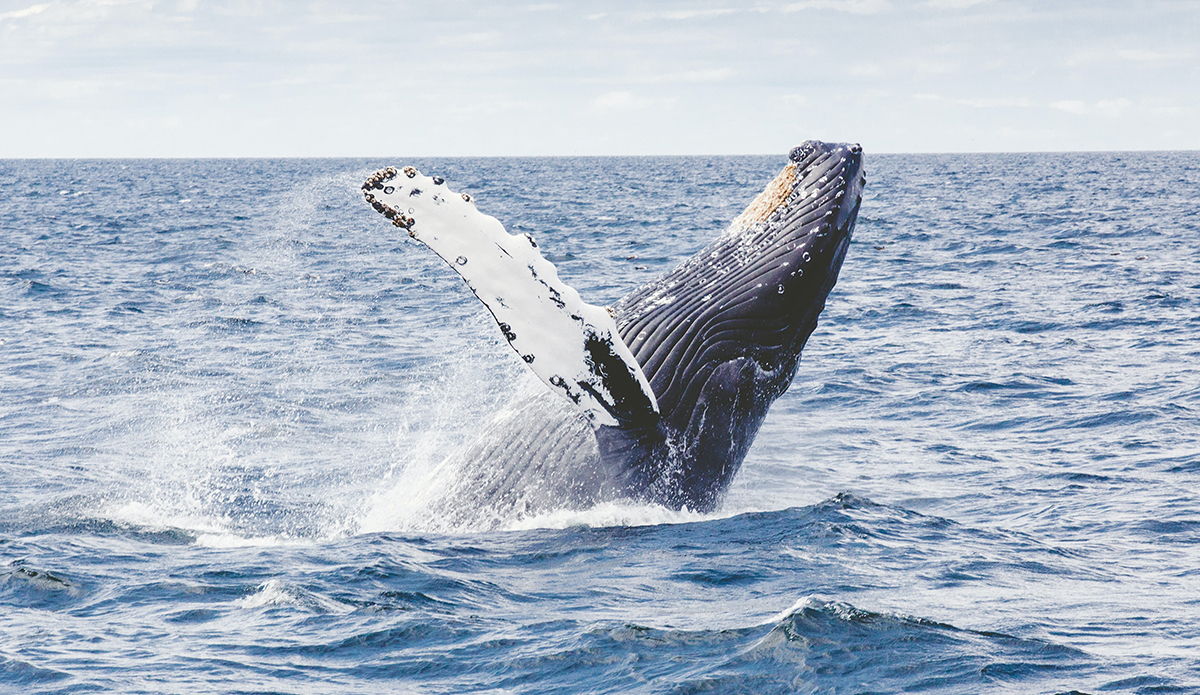
A new study confirms that blue and fin whales are slowly returning to the southeast Atlantic after commercial whaling decimated their populations in the 20th century. Researchers found a significant increase in sightings since 2012, though populations remain far below historical levels. Continued threats from shipping, pollution, and climate change require sustained protection to ensure recovery.
Whales Boost Heart Rate During Deep-Dive Lunges to Fuel Prey Capture
science3 months ago

Whales Boost Heart Rate During Deep-Dive Lunges to Fuel Prey Capture

Researchers at Stanford University’s Hopkins Marine Station have solved a long-standing mystery regarding how blue and humpback whales maintain energy during deep dives. By attaching custom suction-cup tags to nine whales in California and Antarctica, the team discovered that these animals do not maintain a constant slow heartbeat while foraging. Instead, their heart rates spike significantly during lunges to support intense physical exertion, then gradually decline as they filter water. This flexible cardiovascular response allows whales to balance oxygen conservation with the high energy demands of hunting, similar to human recovery patterns after interval sprints. The study also captured the first reliable resting heart rate measurement for a free-ranging humpback whale, revealing a rate of 18.5 beats per minute, which aligns with metabolic expectations for large mammals.

"Earth's 32 Loudest Animals Revealed"
nature2 years ago

"Earth's 32 Loudest Animals Revealed"

The article explores 32 of the loudest animals on Earth, ranging from the blue whale, which can emit calls up to 188 decibels, to the tiny African cicada, whose mating call reaches 107 decibels. It highlights the diverse ways these animals use their loud calls for communication, mating, and hunting, and includes fascinating details about each species' unique vocalizations and behaviors.

"Spectacular Race: Rare Photos Capture Ocean Giants' Behavior in Australia"
nature2 years ago

"Spectacular Race: Rare Photos Capture Ocean Giants' Behavior in Australia"

Rare photos captured a "spectacular" event of blue whales engaging in "racing behavior" off the southern coast of Australia, where a female blue whale was pursued by two competing males in a high-speed chase. The behavior, observed by Peter Gill of the Blue Whale Study, is believed to be linked to mating as the whales prepare to migrate away from Australian feeding grounds. The event showcased the massive power and grace of these ocean giants, providing a unique insight into their behavior and social dynamics.

"Unexpected Hybridization: Blue Whales Found to Mate with Another Species"
science-and-nature2 years ago

"Unexpected Hybridization: Blue Whales Found to Mate with Another Species"

New research reveals that North Atlantic blue whales have around 3.5 percent of their DNA from fin whales, indicating interspecies mating. While most hybrid animals are infertile, whales in the rorqual group, including fin and blue whales, have genetic features that allow for successful hybridization. Concerns arise about the potential impact on genetic diversity and resilience to environmental changes, prompting the need for informed conservation strategies for these iconic species.

"Surprising Discovery: Blue Whales Found to Have Hybrid Offspring with Other Species"
science2 years ago

"Surprising Discovery: Blue Whales Found to Have Hybrid Offspring with Other Species"

A study reveals that Atlantic blue whales have a surprising amount of fin whale DNA in their genomes, indicating that the two species have been mating and producing viable hybrid offspring. The findings suggest that these hybrids are capable of reproducing, contrary to previous beliefs. While the genetic diversity and gene flow among the North Atlantic blue whale population are positive signs for their resilience, the potential impact of introgression on the whales' ability to adapt to environmental challenges, such as human-induced climate change, raises concerns for conservation efforts.

"World's Largest Animal, Blue Whales, Rediscovered in Seychelles: A Triumph Over Decades of Whaling"
environment3 years ago

"World's Largest Animal, Blue Whales, Rediscovered in Seychelles: A Triumph Over Decades of Whaling"

Blue whales, the largest animals on Earth, are making a comeback in the Seychelles after being wiped out by Soviet hunters. Researchers detected the presence of blue whales in the area, suggesting they could be breeding there. The species, once prolific in the Indian Ocean, was heavily hunted in the 20th century, resulting in a significant decline in their population. However, conservation efforts and a ban on whaling have led to an increase in their numbers. The return of blue whales to the Seychelles is seen as a conservation success.

Whaling's Impact on Genetic Diversity Revealed in Study
environment3 years ago

Whaling's Impact on Genetic Diversity Revealed in Study

A study from Oregon State University has found that commercial whaling in the 20th century has led to a loss of genetic diversity in surviving whale populations, specifically the maternal lineage of blue and humpback whales. Researchers compared DNA from whale bones found near abandoned whaling stations to present-day whales and discovered a significant decline in maternal DNA lineages. The loss of these lineages may result in the disappearance of cultural knowledge passed down through generations. While whales have started to return to the region since the end of commercial whaling, the long-term effects may still be felt as some whales alive today may have experienced the whaling era. Continued monitoring and conservation efforts are necessary to ensure the recovery and preservation of these populations.