
NASA’s 2021 Tardigrade Experiment Confirms Multigenerational Reproduction in Orbit
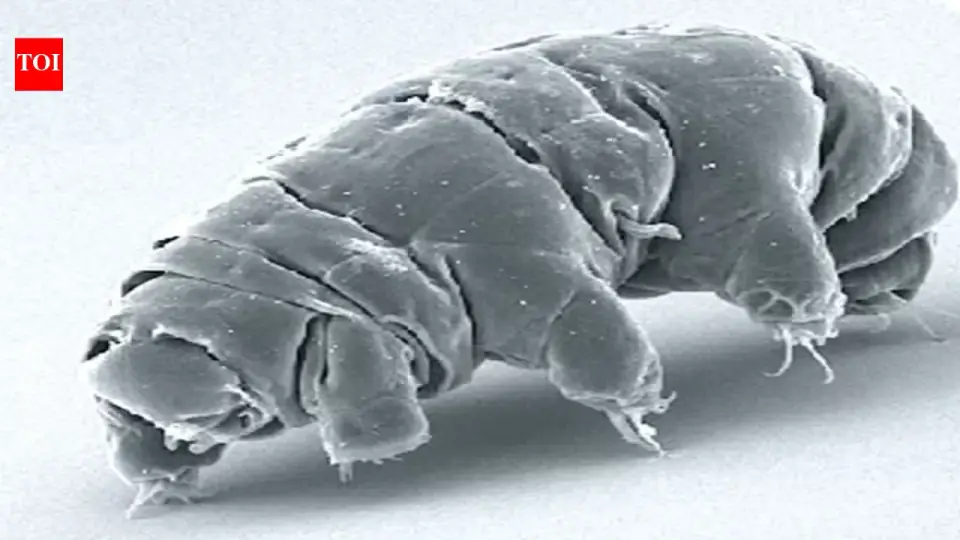
In 2021, NASA successfully cultured Hypsibius exemplaris tardigrades on the International Space Station, allowing them to reproduce across four generations. The Cell Science-04 experiment utilized the Bioculture System to monitor hydrated organisms, aiming to identify genetic adaptations to spaceflight conditions. This study marked a shift from testing mere survival to observing active biological responses and heritable changes in microgravity.
Key points
- The Cell Science-04 experiment launched on SpaceX’s CRS-22 mission in June 2021, arriving at the ISS on June 5.
- Researchers used NASA’s Bioculture System to maintain and feed hydrated Hypsibius exemplaris tardigrades in orbit.
- The experiment successfully produced up to four generations of tardigrades while in space.
- The primary goal was to analyze gene expression changes to determine if survival strategies were heritable across generations.
- This study differed from previous missions by focusing on active reproduction rather than dormant survival in vacuum or radiation.
Background
Tardigrades have been used in space research since 2007, when European scientists sent dried specimens into low Earth orbit, and again in 2011 with the TARDIKISS mission via the Space Shuttle. While earlier studies confirmed survival rates of over 91% and normal egg development, they primarily tested resilience in dormant states. The 2021 Cell Science-04 experiment extended this by observing hydrated, active organisms over multiple generations. This research aligns with broader NASA efforts to understand biological responses to long-duration spaceflight, potentially informing astronaut protection strategies as the agency prepares for the post-ISS era and commercial space station development.
Why it matters
Understanding how organisms adapt genetically to spaceflight over multiple generations provides critical insights for long-duration human missions. By identifying specific stress-response pathways and heritable changes, scientists can better predict biological risks in microgravity and radiation environments. This data helps refine countermeasures for astronaut health and supports the development of robust biological systems for future deep-space exploration.
What to watch
Researchers are currently analyzing the fixed and frozen cultures returned from the ISS to identify specific genes involved in short-term and multigenerational survival. The focus is on determining whether antioxidant production and other stress-response mechanisms were altered by spaceflight and if these changes were passed to subsequent generations. These findings will contribute to the broader understanding of biological adaptation in space environments.
Want the full story? Read the original reporting
Read on The Times of India