Tag

Space Biology

All articles tagged with #space biology

Fruit Flies Survive and Adapt Under Extreme Gravity
science27 days ago

Fruit Flies Survive and Adapt Under Extreme Gravity

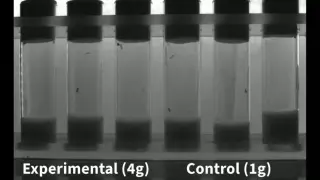
Researchers exposed fruit flies to 4–13G hypergravity in a centrifuge. Initial hyperactivity at moderate Gs gave way to reduced activity at higher Gs, but both groups eventually returned to normal behavior, and a multi‑generational test showed some populations thriving for 10 generations, suggesting gravity directly shapes energy use and movement and highlighting the resilience of biological systems with implications for future space exploration.

Space spiders set a 100-day microgravity record
science1 month ago

Space spiders set a 100-day microgravity record

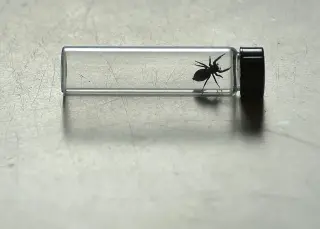
In 2012, NASA sent two jumping spiders, Nefertiti and Cleopatra, to the International Space Station to study how they adapt to microgravity. Nefertiti hunted fruit-fly prey in space and the mission set a record for the longest time spent by a spider in space (100 days). Cleopatra died on return to Earth, while Nefertiti survived the voyage and readjusted to gravity, later dying four days after a Smithsonian display.

Space-grown mushrooms test future nutrition for deep-space missions
science-tech3 months ago

Space-grown mushrooms test future nutrition for deep-space missions

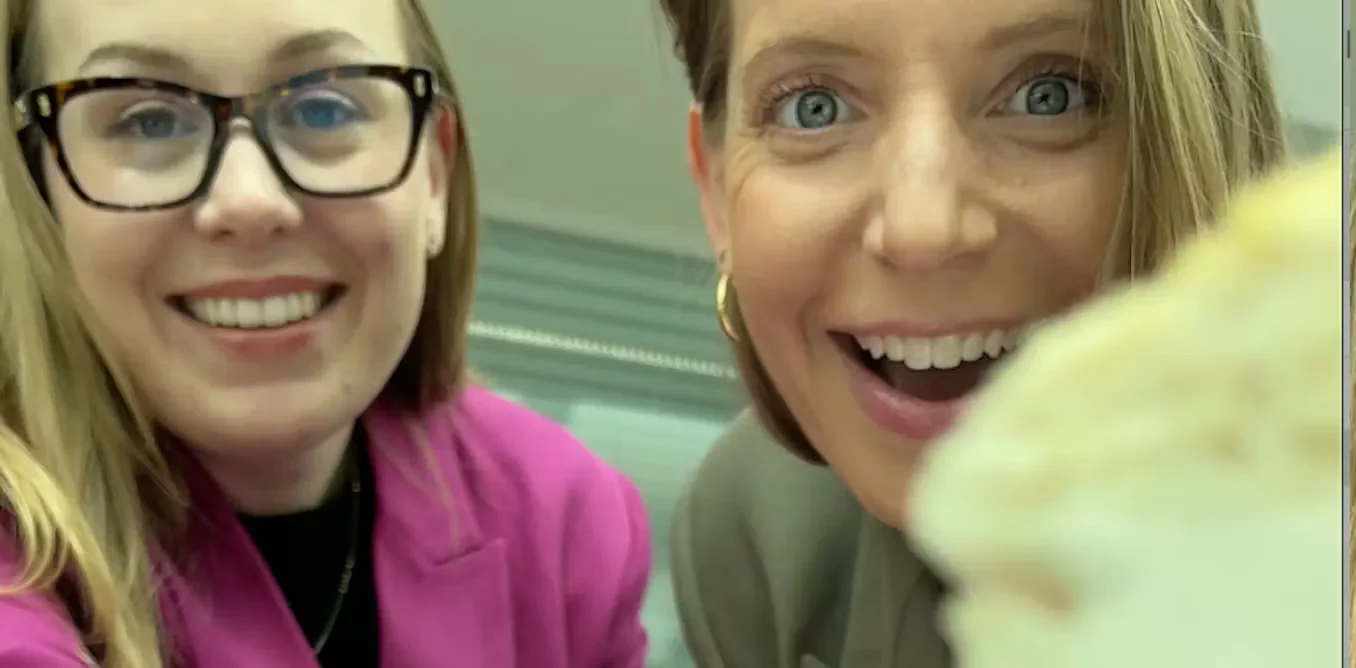
Researchers grew edible fungi (lion’s mane, turkey’s tail, cordyceps) as mycelium aboard the ISS in 2024 to explore space nutrition for long missions. After returning to Earth, the samples were cultivated into mushrooms on Earth, eaten in recipes, and shown to continue producing harvests in various environments, suggesting microgravity doesn’t hinder their growth and hinting at space-provisioned food for future expeditions like Artemis II.

Microgravity reshapes the bacteria–phage battle aboard the ISS
space4 months ago

Microgravity reshapes the bacteria–phage battle aboard the ISS

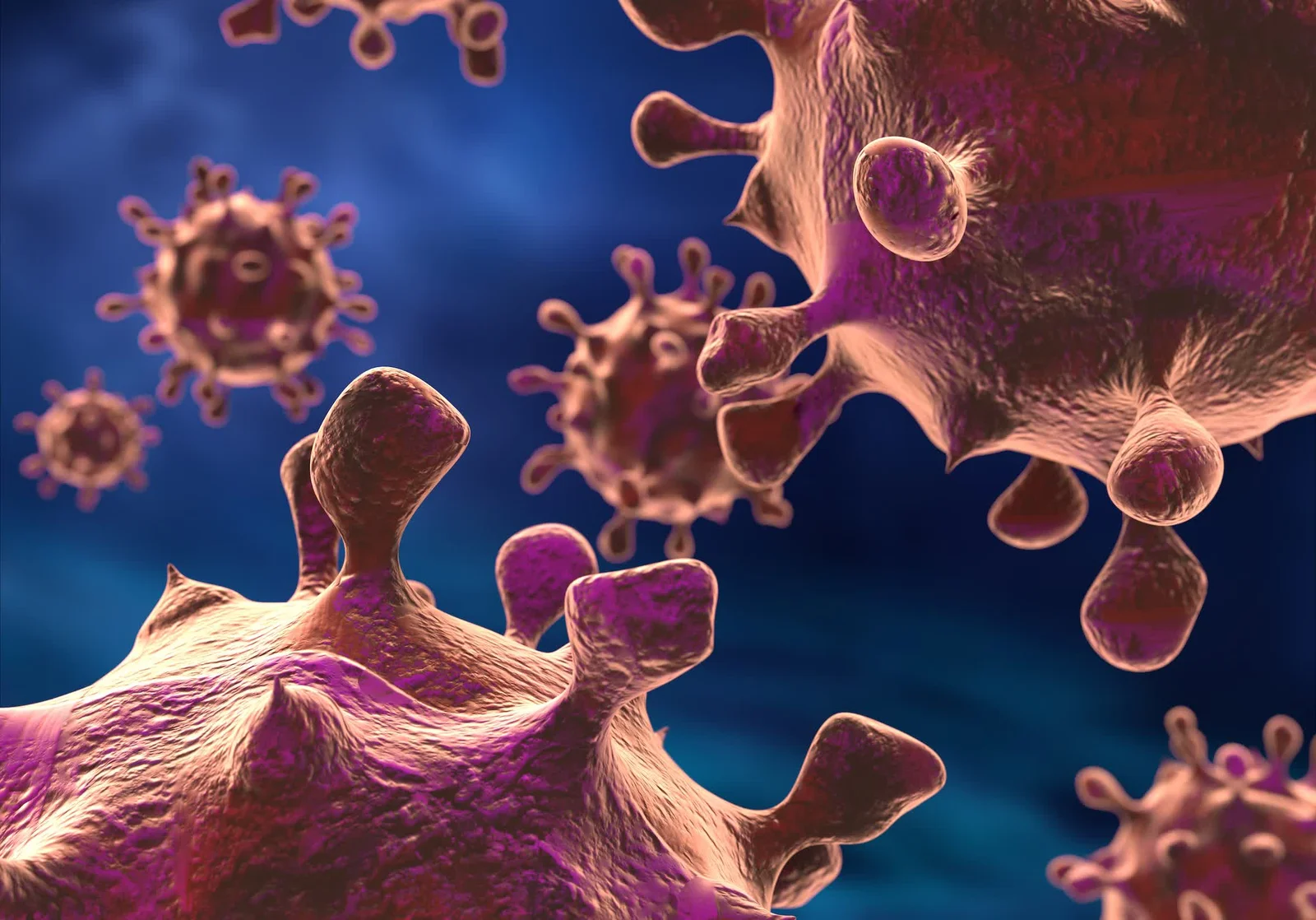
A study on the ISS shows that microgravity alters how bacteria and their phages interact: E. coli and phage T7 infect more slowly without convection, leading to distinct mutations in both organisms; space-evolved phages become better at binding and, when tested back on Earth, are more effective against certain UTI-causing E. coli—highlighting potential for phage therapies and astronaut health research, albeit with cost barriers to replicating microgravity experiments.

NASA Astronaut Kate Rubins, DNA Sequencing Pioneer in Space, Retires
science10 months ago

NASA Astronaut Kate Rubins, DNA Sequencing Pioneer in Space, Retires

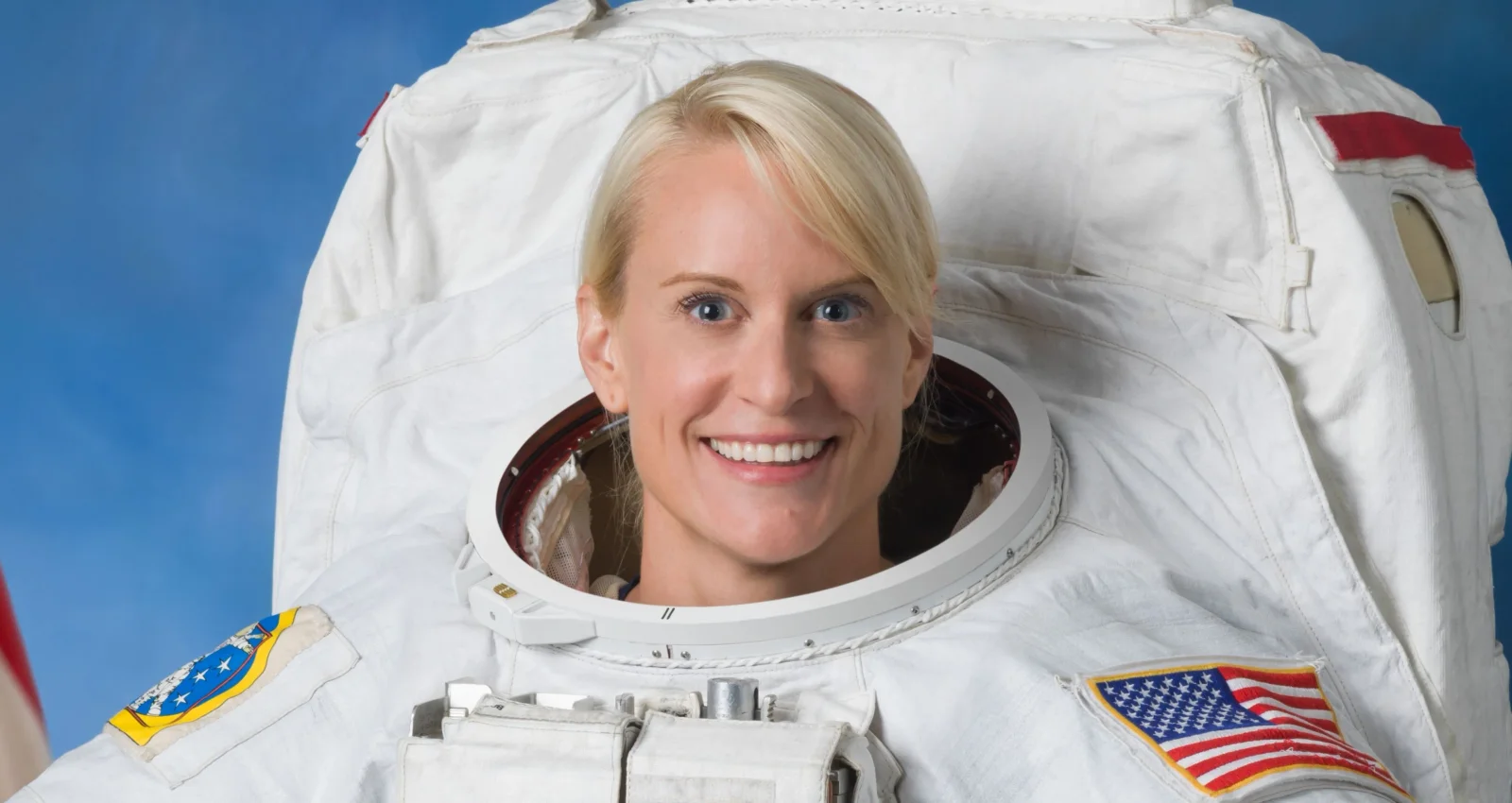
NASA astronaut Kate Rubins retired after 16 years, during which she completed two missions on the International Space Station, becoming the first person to sequence DNA in space and contributing significantly to space biology and biomedical research. She also played a key role in developing space suits for future Artemis missions and continues to advocate for innovation at the intersection of biology and space. Her career leaves a lasting legacy in space exploration and scientific advancement.

"Mutation of Multi-Drug Resistant Bacteria on ISS Driven by Space Environment"
space-science2 years ago

"Mutation of Multi-Drug Resistant Bacteria on ISS Driven by Space Environment"

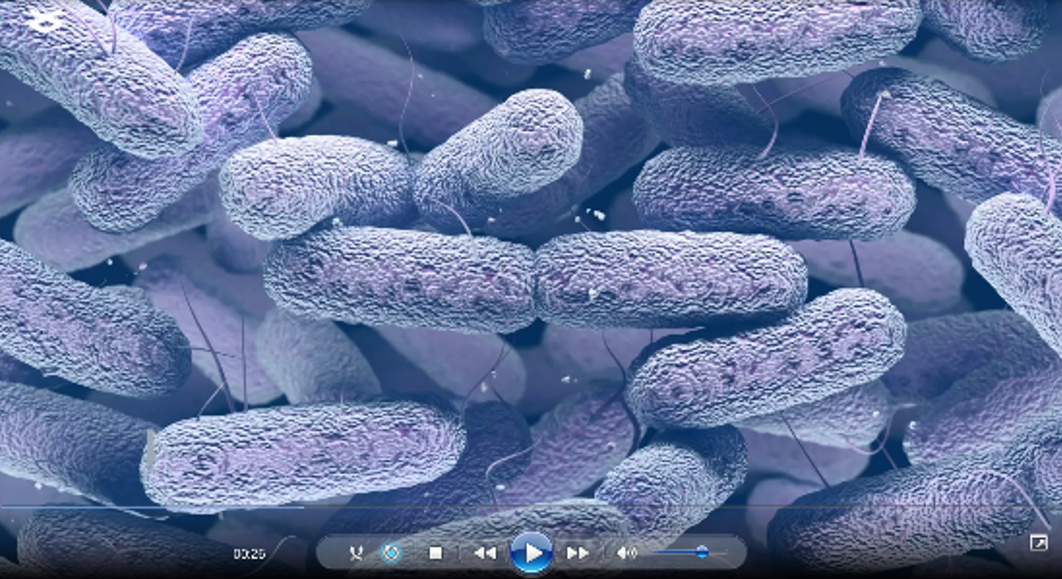
NASA-funded research reveals that multi-drug resistant strains of the bacterium Enterobacter bugandensis, isolated from the International Space Station (ISS), have mutated to become genetically and functionally distinct from their Earth counterparts, persisting and coexisting with other microorganisms in the extreme environment of the ISS. This study sheds light on microbial dynamics in closed human-built environments, providing insights for effective preventative measures for astronaut health in space.