
China Tests Stem-Cell Embryos in Orbit to Assess Space Reproduction Feasibility
TL;DR
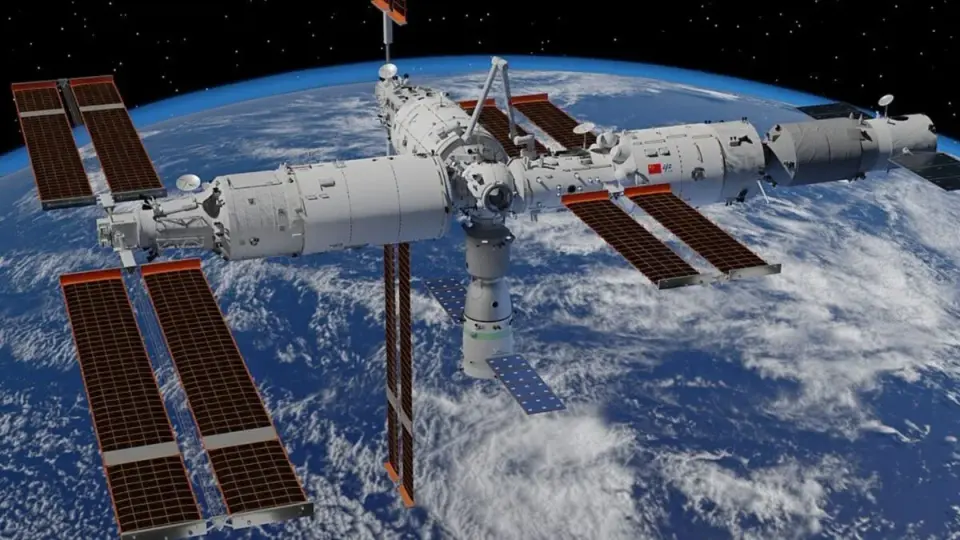
China conducted an on-orbit study aboard the Tiangong station using artificial embryos made from human stem cells to examine early development in microgravity. The two embryo models (one simulating uterine attachment and another using a microfluidic chip to mimic tissue formation) were cultured for about five days on the Tianzhou-10 supply ship, then frozen and returned to Earth for analysis, with Earth-based controls for comparison. The goal is to understand potential risks to human reproduction during long-term space habitation, not to create real babies in space.
- China Launched Artificial Embryos to Orbit to Find Out If We Can Have Space Babies Gizmodo
- China Sends Artificial Human Embryos to Space in Reproduction Experiment GreekReporter.com
- Can humans reproduce in space? China sends artificial embryos into orbit to find out ThePrint
- China sends artificial embryos to space to find out possibility of reproduction | Embryos will be frozen after experiment | Inshorts Inshorts
- China just sent human artificial embryos into space, and the results could change humanity’s future The Times of India
Want the full story? Read the original reporting
Read on Gizmodo