
Worms in Space: ISS Mini-Lab Aims to Decode Deep-Space Health
TL;DR Summary
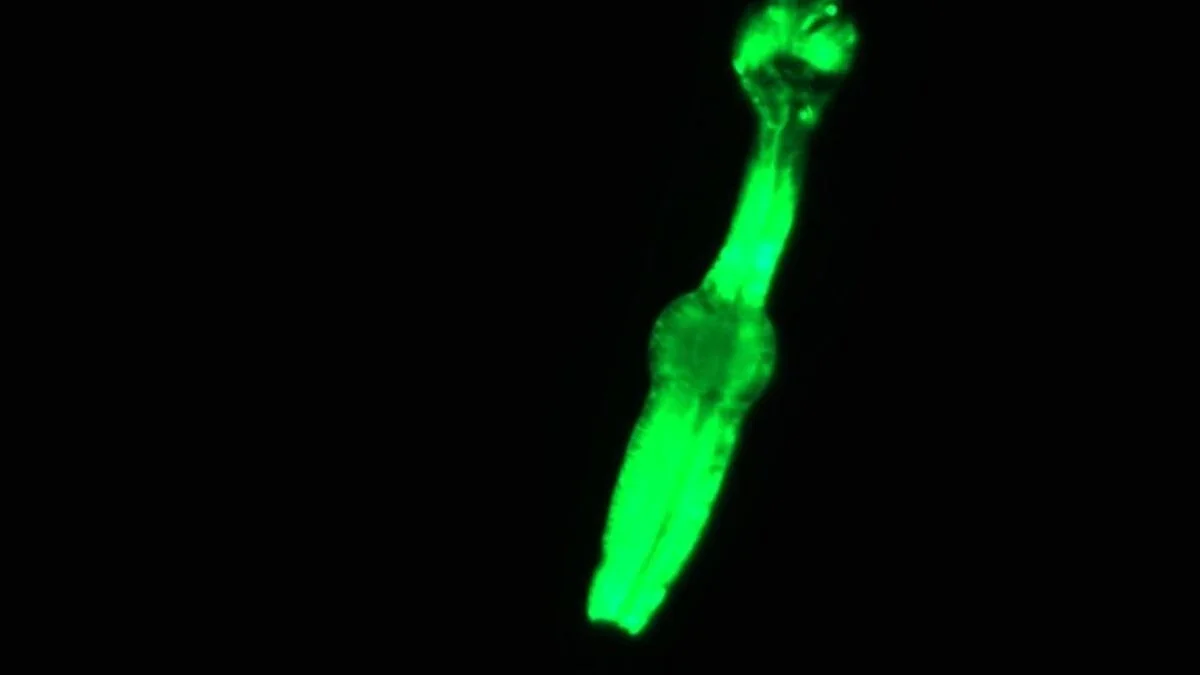
University of Exeter-led researchers sent C. elegans worms (0.1–2.5 mm) to the ISS aboard Cygnus XL to study how living organisms cope with space. Housed in a 4×11 inch Petri Pod mini-lab with 12 chambers (four imaged using fluorescent and white light), the worms will spend about 15 weeks in a controlled microgravity and radiation environment, first inside the station and then mounted outside. The mission will monitor health metrics with mini cameras and sensors and relay data back to Earth to help understand biological responses critical to protecting astronauts on long-duration spaceflight.
- A Crew of Worms on the ISS Aims to Help Scientists Unlock the Secrets of Space Travel Gizmodo
- Worms sent to space for extreme conditions research BBC
- ‘Space worms’ are en route to the International Space Station Popular Science
- Space worms! A microscopic crew goes into orbit to support future moon missions Phys.org
- UK experiment studies microgravity effects using worms on the ISS ... eeNews Europe
Reading Insights
Total Reads
0
Unique Readers
62
Time Saved
16 min
vs 17 min read
Condensed
97%
3,245 → 93 words
Want the full story? Read the original article
Read on Gizmodo