
NASA Awards SpaceX $950 Million for Three Additional ISS Crewed Flights
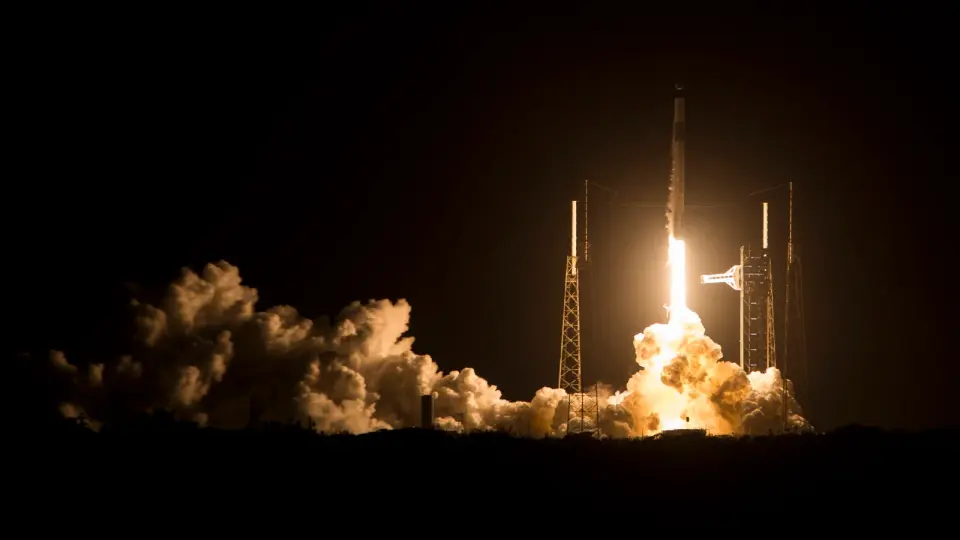
NASA has expanded its Commercial Crew Transportation Capability contract with SpaceX, awarding the company approximately $950 million to conduct three additional crewed Dragon flights to the International Space Station (ISS) through 2030. This extension brings the total number of operational flights under the contract to 17. If SpaceX completes all missions, it will have earned a total of $5.92 billion from NASA under this agreement. The contract covers ground, launch, in-orbit, and return operations, as well as cargo transportation and lifeboat capabilities. This move ensures NASA maintains access to the ISS via two commercial partners, alongside Boeing, which is preparing for crewed Starliner missions starting in 2027. The award comes as SpaceX transitions its focus toward the Starship rocket, with the Dragon program expected to wind down after its current operational phase.
Key points
- NASA awarded SpaceX an additional $950 million to fly three more crewed Dragon missions to the ISS by 2030.
- The expansion brings the total number of operational flights under the Commercial Crew Transportation Capability contract to 17.
- SpaceX is projected to earn a total of $5.92 billion from NASA upon completion of all contracted flights.
- The contract includes ground support, launch, in-orbit operations, return and recovery, cargo transport, and lifeboat capabilities.
- NASA aims to maintain ISS access through two commercial partners, with Boeing’s Starliner expected to begin crewed flights in 2027.
Background
Recent developments have highlighted the transition period for SpaceX’s Dragon program. In August 2026, a leak in the Dragon’s propulsion system delayed the Crew-13 launch, which was subsequently rescheduled. NASA also replaced traditional emergency vehicles with Tesla Cybertrucks for Crew-13 escape duties. Earlier in September 2026, NASA confirmed plans to support Boeing’s Starliner for future crewed flights, including funding for propulsion fixes and certification of a new launch vehicle, as SpaceX begins winding down the Dragon program. The current contract extension aligns with this strategic shift, ensuring continued US access to low-Earth orbit while SpaceX develops its Starship rocket for future launches.
Why it matters
This contract extension secures a critical revenue stream for SpaceX, which recently went public in the largest IPO on record and relies on government contracts to support its core launch business. It also reinforces NASA’s strategy of maintaining dual commercial crew providers to ensure redundancy and access to the ISS. As SpaceX transitions from Dragon to Starship, this agreement provides a bridge for continued crewed access to the ISS through 2030, while Boeing’s Starliner program ramps up for crewed missions in 2027.
What to watch
SpaceX is expected to launch Crew-13 in October 2026 and Crew-14 in the spring of 2027. Boeing’s Starliner is anticipated to fly uncrewed in the near future, with crewed missions beginning in the third quarter of 2027. SpaceX will continue to execute the three additional flights under the new contract through 2030, while gradually shifting its focus to the Starship rocket for future launches.
Want the full story? Read the original reporting
Read on CNBC