
FCC Approval of Reflect Orbital’s Mirror Satellite Sparks Safety and Astronomy Concerns
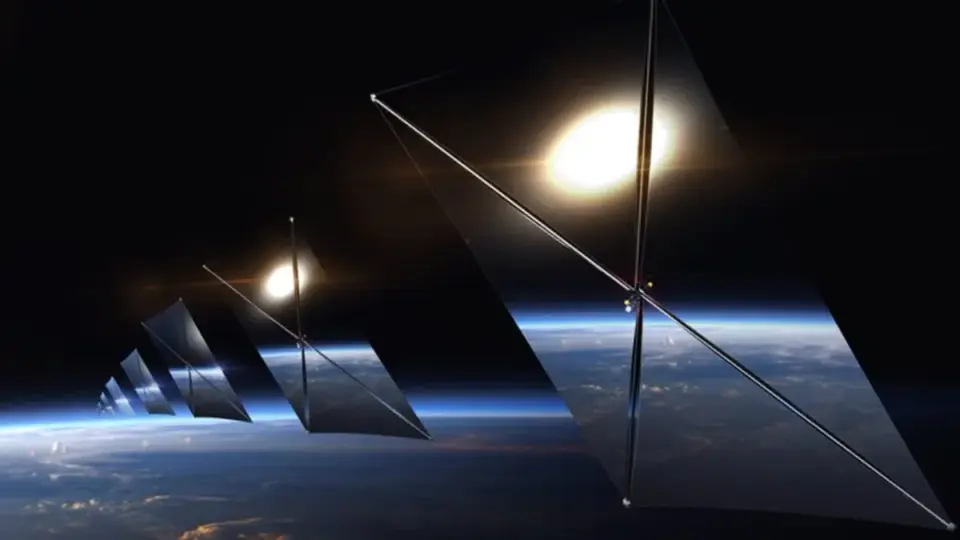
The FCC has approved Reflect Orbital’s launch of the Earendil-1 prototype satellite, which will test a 59-foot mirror to reflect sunlight onto Earth at night. While the company aims to provide on-demand lighting for energy and rescue operations, experts warn the bright beam could cause permanent eye damage to telescope users and disrupt global astronomical observations. Environmental groups have petitioned the FCC to reverse the decision, citing risks to wildlife and a lack of public warning systems.
Key points
- Reflect Orbital’s Earendil-1 satellite will deploy an 18-meter reflector to illuminate a 5-kilometer area with intensity 4 to 20 times brighter than the full moon.
- The FCC approved the single test mission, dismissing eye safety concerns as outside its regulatory authority, despite warnings from the American Astronomical Society and Royal Astronomical Society.
- Four environmental organizations filed a petition to reverse the approval, arguing the FCC ignored potential impacts on wildlife, circadian rhythms, and public safety.
- Reflect Orbital plans to expand to a constellation of up to 50,000 satellites by 2035, claiming it can dim or turn off lights upon request, though critics note the lack of mandatory public alerts.
- Experts warn that atmospheric scattering could make the beam significantly larger than claimed, potentially rendering ground-based optical astronomy impossible in affected regions.
Background
This development follows a decade of increasing satellite density in low-Earth orbit, which has already raised concerns about light pollution and astronomical interference. While previous initiatives like the Russian Znamya project in the 1990s explored similar concepts, they were abandoned. Recent regulatory gaps have left commercial satellite brightness largely unregulated, with no federal laws specifically limiting light pollution or requiring environmental reviews for such technologies.
How outlets are covering it
Reflect Orbital emphasizes the potential benefits of clean energy and emergency lighting, stating that its satellites will default to 'off' and can be controlled remotely. In contrast, the American Astronomical Society and Royal Astronomical Society describe the approval as 'extraordinary' and 'shocking,' arguing that the risk of permanent eye damage to amateur astronomers is unacceptable. Environmental groups, including DarkSky International and Environment America, criticize the FCC for failing to conduct a proper environmental review, labeling the current regulatory landscape as a 'Wild West.' While the FCC views the safety concerns as too attenuated from its communications licensing authority, critics argue this abdication of responsibility ignores the tangible risks to public health and scientific infrastructure.
Why it matters
The approval sets a precedent for unregulated bright satellite technologies that could permanently alter the night sky and endanger public health. If the prototype succeeds, the expansion to tens of thousands of satellites could render ground-based astronomy obsolete and disrupt ecosystems, highlighting a critical gap in federal oversight for emerging space technologies.
What to watch
Reflect Orbital is scheduled to launch the Earendil-1 prototype later in 2026 to test its technology and safeguards. Meanwhile, the four environmental groups are awaiting a response from the full FCC commission regarding their petition to reverse the approval. Independent researchers are also modeling the actual size of the light beam to determine if the company’s claimed containment is accurate.
- This Satellite Is So Bright It Could Fry Your Retinas Through a Telescope Gizmodo
- Space mirrors could ruin astronomy — and your eyes The Verge
- Scientists Warn That New Satellites Could Cause Eye Damage for People on the Ground Futurism
- Environmental groups challenge FCC approval of startup’s plan to beam on-demand sunlight from space NBC News
- A Giant Mirror in Space Could Ruin Your Night Sky Photos and Hurt Your Eyes DIY Photography
Want the full story? Read the original reporting
Read on Gizmodo