
Artificial Gravity for Spacecraft Remains a Technical Possibility but a Funding Challenge
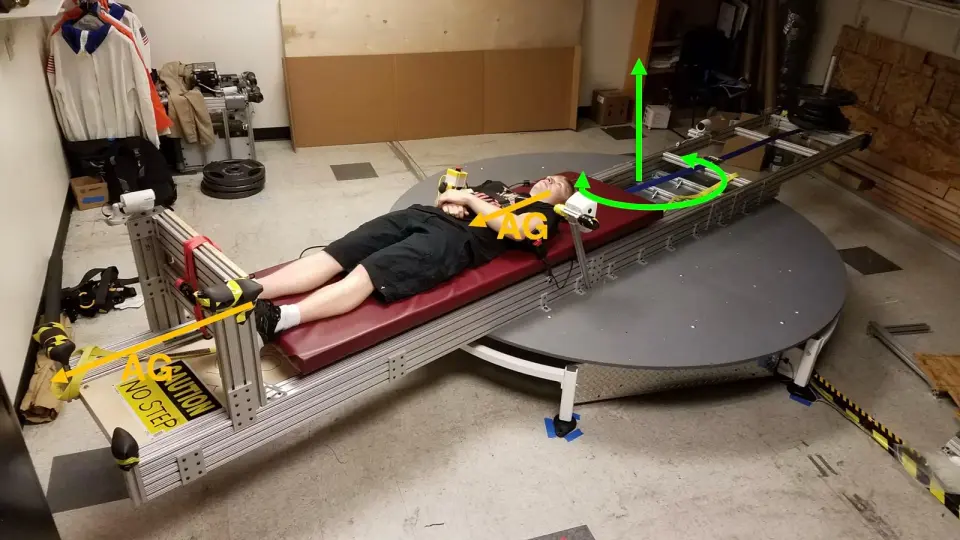
While microgravity poses severe health risks for astronauts, creating artificial gravity on spacecraft remains technically feasible but historically hindered by budget cuts. Experts note that while the engineering is possible, sustained funding is the primary barrier to implementation.
Key points
- Prolonged exposure to microgravity causes significant health issues, including vision loss, bone density reduction, and muscle atrophy.
- Artificial gravity, potentially achieved through centrifugal force, is technically viable and could be implemented in the near future, according to aerospace engineers.
- The Centrifuge Accommodation Module, a planned 2.5-meter centrifuge for the International Space Station, was canceled in 2005 due to budgetary constraints.
- Funding cycles for artificial gravity research are cyclical, often gaining popularity and resources before being defunded, according to researchers at Texas A&M University.
Background
Previous coverage has explored gravity in quantum realms and small-body orbital dynamics, but this briefing focuses on the practical engineering of artificial gravity for human health in space, distinct from fundamental physics or small celestial mechanics.
Why it matters
Solving the microgravity health crisis is essential for enabling long-duration missions to Mars and beyond, making the development of artificial gravity a critical priority for future space exploration.
What to watch
Future progress depends on securing consistent funding for centrifuge technology and addressing implementation challenges, rather than just technical feasibility, to move artificial gravity from concept to reality.
Want the full story? Read the original reporting
Read on Live Science