Tag

Artificial Gravity

All articles tagged with #artificial gravity

Why Kevlar Tethers Fail to Provide Artificial Gravity for Long-Duration Space Missions
science-and-technology1 month ago

Why Kevlar Tethers Fail to Provide Artificial Gravity for Long-Duration Space Missions

A Kevlar tether connecting two spacecraft could theoretically generate artificial gravity via rotation, but practical engineering and physiological barriers make it unfeasible for long-term human habitation. While microgravity causes severe bone and muscle loss, creating a stable, comfortable rotating system requires a tether length of at least 1.6 km to avoid nausea, which introduces insurmountable stability challenges.
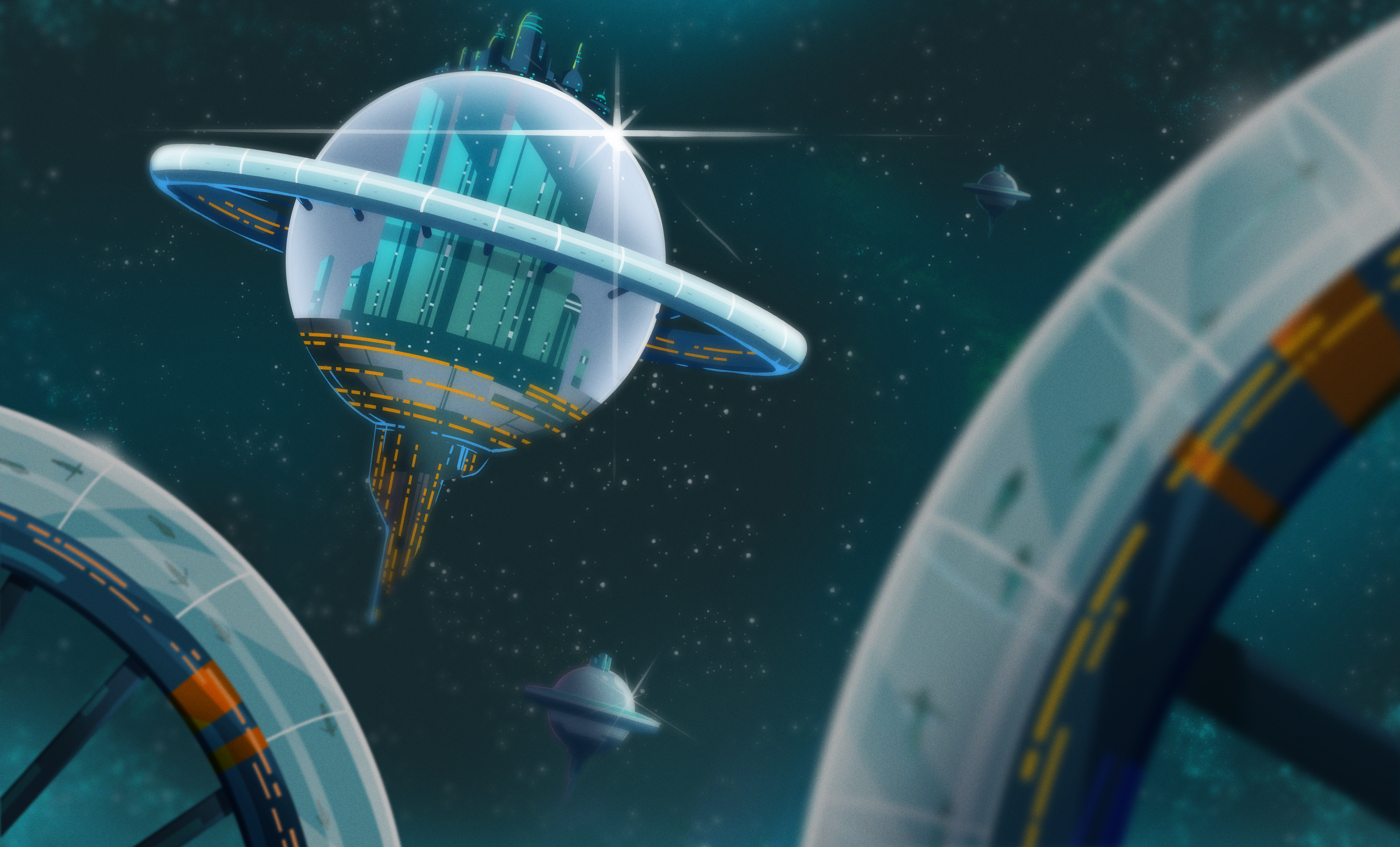
From 19th-Century Brick Satellites to Von Braun’s Rotating Wheels: The Evolution of Space Station Concepts
space-history3 months ago

From 19th-Century Brick Satellites to Von Braun’s Rotating Wheels: The Evolution of Space Station Concepts

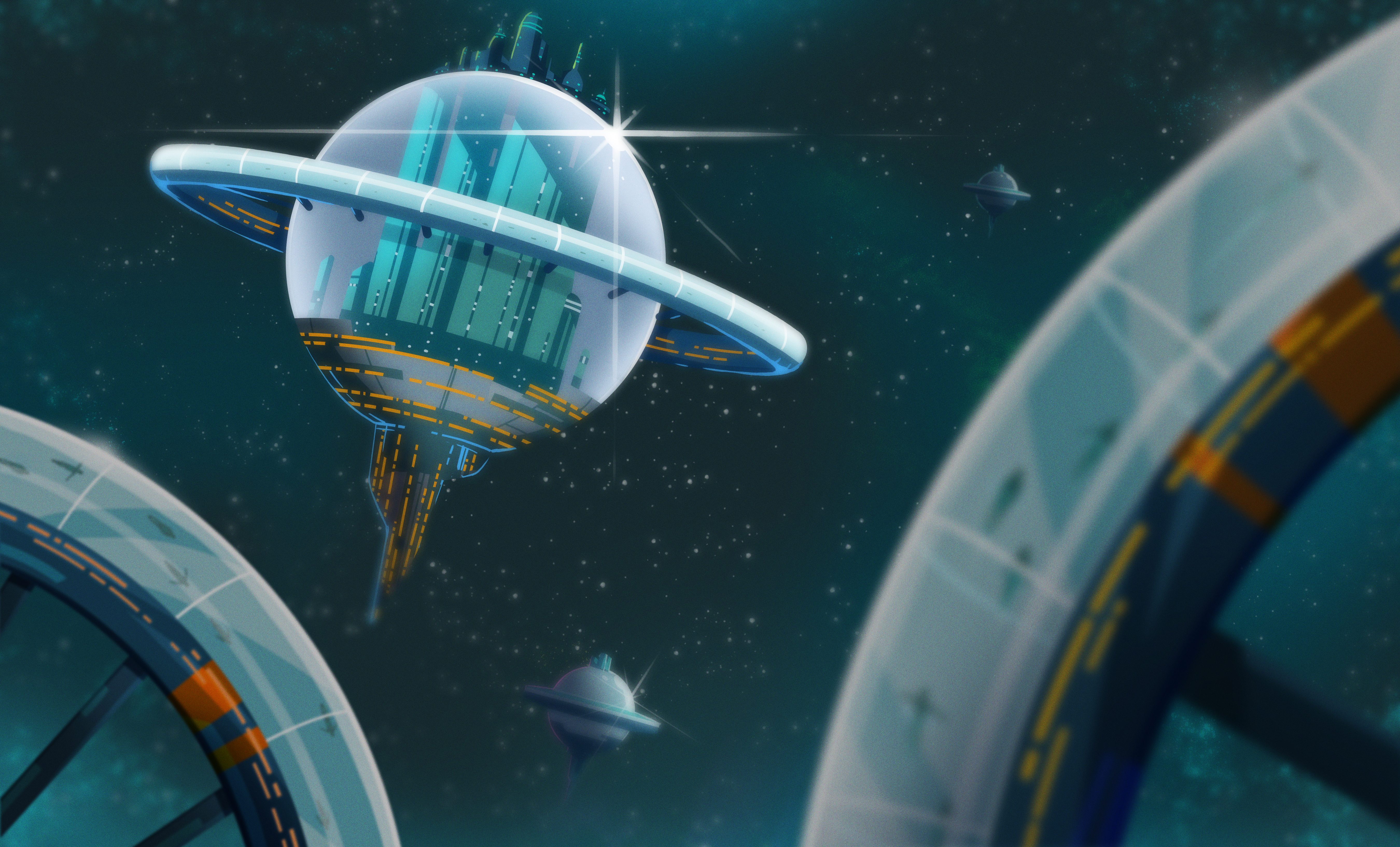
The concept of space stations predates actual spaceflight, originating in 1869 with Edward Everett Hale’s fictional 'Brick Moon.' Early 20th-century pioneers like Konstantin Tsiolkovsky and Hermann Noordung developed technical designs for orbital habitats, with Noordung’s 1929 rotating 'Wohnrad' influencing later popular depictions. Wernher von Braun popularized the rotating wheel station in the 1950s, though practical engineering challenges regarding artificial gravity and Coriolis effects have prevented such designs from being realized in current stations.

0.67 g Threshold: A Gravity Benchmark for Sustaining Muscles in Space
space8 months ago

0.67 g Threshold: A Gravity Benchmark for Sustaining Muscles in Space

A study on mice aboard the ISS exposed them to 0.33 g, 0.67 g, and 1 g for up to 28 days to assess muscle atrophy. It found 0.67 g is the threshold below which muscles deteriorate, while 0.33 g preserved muscle but changed fiber composition; while humans may share a similar threshold (roughly 0.5–0.75 g) based on parabolic-flight data, Moon and Mars gravity (0.17 g and 0.38 g) would likely require artificial gravity or stronger countermeasures for long missions, with further research needed to refine the human threshold and inform NASA's Artemis-era plans.

Chrysalis: A 1,000-Person, 250-Year Interstellar Ark
space8 months ago

Chrysalis: A 1,000-Person, 250-Year Interstellar Ark

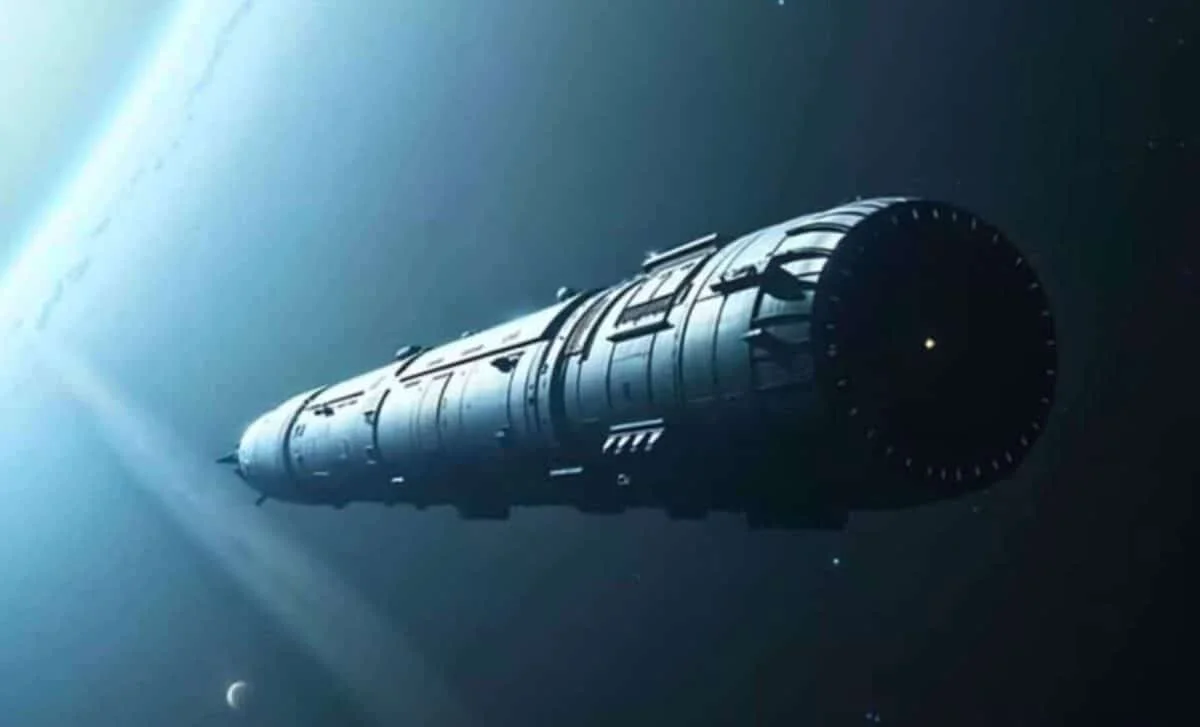
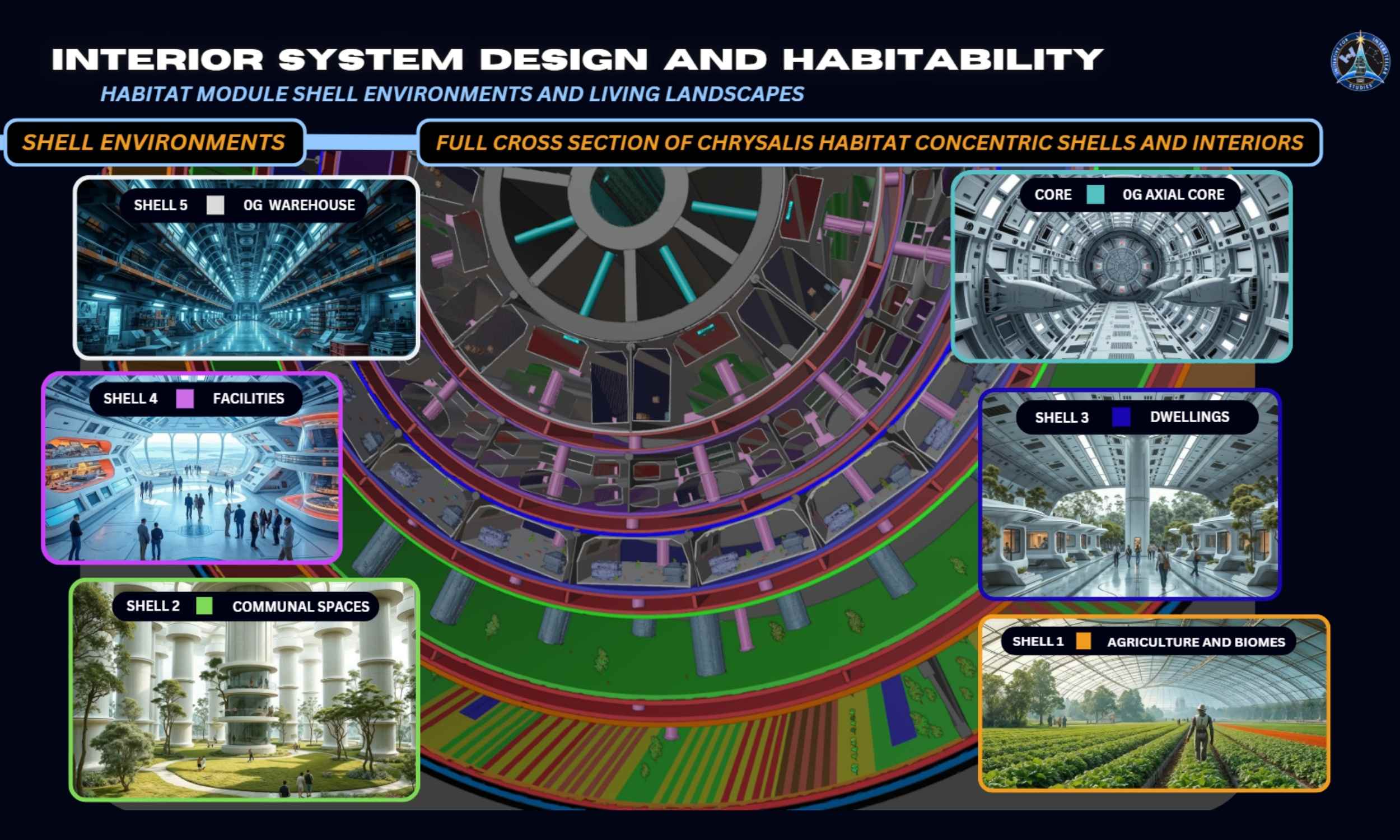
Chrysalis envisions a 36-mile rotating generational spacecraft designed to carry 1,000 people for about 250 years to a neighboring star, treating the vessel as a permanent settlement with a self-contained biosphere, artificial gravity, extensive radiation shielding (notably water), vertical farming, and closed-loop life support. Built as an in-space, Earth–Moon L1 hub assembly project, it combines biology, engineering, and governance to sustain generations, with autonomous robots and potential nuclear-thermal propulsion for propulsion and maintenance.

Chrysalis: A 58-Kilometer, Multi-Generational Starship for a Centuries-Long Voyage
space9 months ago

Chrysalis: A 58-Kilometer, Multi-Generational Starship for a Centuries-Long Voyage

Chrysalis is a concept for a 58-kilometer rotating habitat designed to carry around a thousand to two thousand humans on a 400-year interstellar voyage, using a direct fusion drive and fully closed life support, with generation-spanning governance, education, and knowledge preservation. The project provides a detailed, integration-focused study of how such a ship could be assembled, powered, shielded, and kept socially stable, while honestly outlining remaining unknowns and the enormous technical and ethical challenges involved.

Exploring the Possibility of Antigravity
science2 years ago

Exploring the Possibility of Antigravity

The concept of antigravity, popular in science fiction, is not feasible under current physical laws, as it would require negative energy, which doesn't exist in our universe. General relativity shows that gravity is a result of spacetime curvature caused by mass and energy, and all known entities have positive energy. While antigravity remains impossible, artificial gravity can be achieved through constant acceleration, such as in a rotating spacecraft, to simulate Earth's gravity for long space journeys. Addressing the health issues from prolonged zero-gravity exposure should be prioritized for future space travel.

"Elon Musk Plans Artificial Gravity with Starship Spin"
spacespace-exploration2 years ago

"Elon Musk Plans Artificial Gravity with Starship Spin"

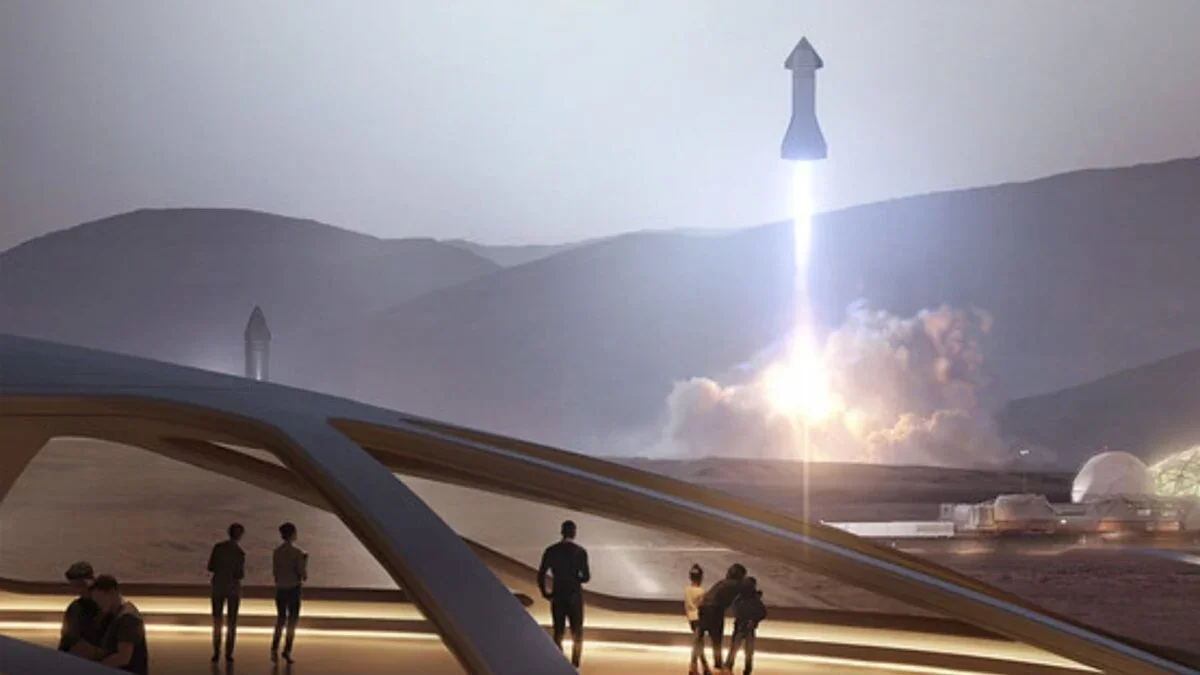
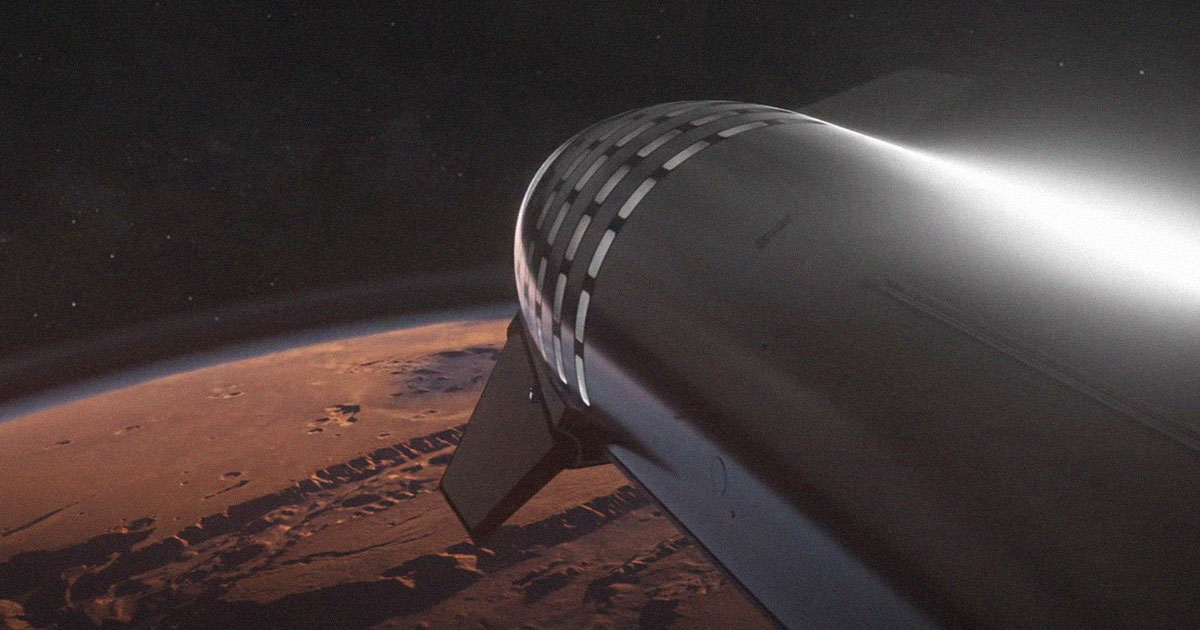
SpaceX CEO Elon Musk envisions using artificial gravity on the Starship spacecraft during its journey to Mars, potentially by spinning the spacecraft. This concept aims to mitigate the health risks associated with prolonged exposure to microgravity, such as bone density loss and vision changes. However, challenges such as spacecraft size, motion sickness, and energy capture need to be addressed. Other companies are also exploring artificial gravity for space missions. While Musk's predictions should be taken with caution, the idea of artificial gravity may be crucial for long-duration space travel.

"Harvard's Artificial Gravity Breakthrough Paves the Way for Deep Space Exploration"
science-and-technology3 years ago

"Harvard's Artificial Gravity Breakthrough Paves the Way for Deep Space Exploration"

Researchers from Harvard Medical School and the University of Rhode Island conducted a study on mice to simulate the effects of artificial gravity on the International Space Station (ISS). The study showed that exposure to artificial gravity through a centrifuge can mitigate the negative effects of zero gravity on bone density and muscle mass. This research could have implications for deep space exploration and the health of astronauts on long-duration missions.

"Embark on an Extraterrestrial Luxury Cruise with the Creator of Crazy Frog"
space-exploration3 years ago

"Embark on an Extraterrestrial Luxury Cruise with the Creator of Crazy Frog"

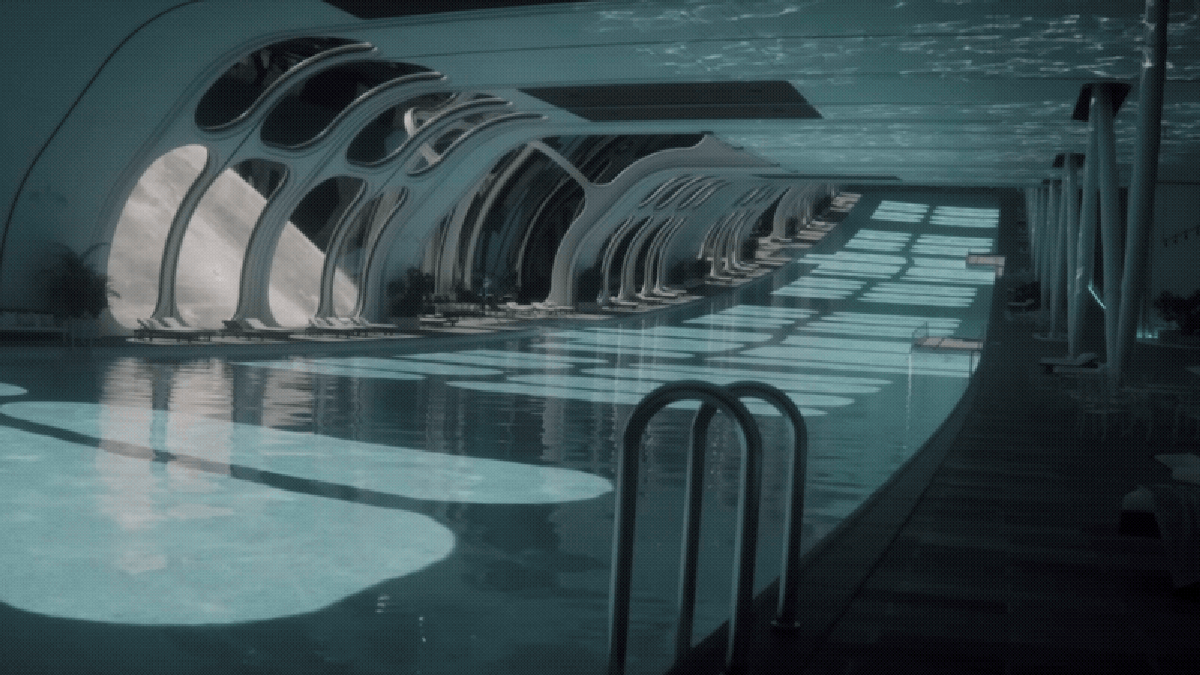
Erik Wernquist, the creator of Crazy Frog, has released a new short film titled "ONE REVOLUTION PER MINUTE," which showcases humanity's future in space. The film takes viewers aboard the SSPO Esperanta, a luxurious rotating space station that visits various celestial bodies in our solar system. Wernquist explores the concept of artificial gravity in space and creates a leisure-like environment with stunning visuals and natural lighting. The film concludes with the Esperanta embarking on an adventure beyond our solar system. Wernquist's portfolio includes other captivating sci-fi films and music videos.

science-and-technology3 years ago

"The Slow and Steady Pace of One Revolution Per Minute"

Erik Wernquist's short film, "One Revolution Per Minute," explores the concept of artificial gravity in space through a large, rotating space station. While the idea is intriguing, the constantly spinning views and moving light and shadows could be nauseating and uncomfortable for human passengers. Despite the possibility of building such a structure, its practicality for long-term human habitation remains questionable.