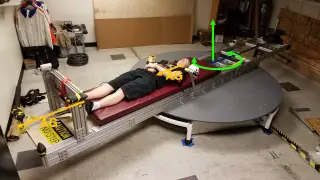
While microgravity poses severe health risks for astronauts, creating artificial gravity on spacecraft remains technically feasible but historically hindered by budget cuts. Experts note that while the engineering is possible, sustained funding is the primary barrier to implementation.
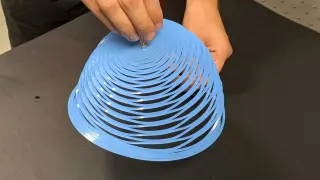
Researchers from Polytechnique Montréal and École Polytechnique have developed a new type of parachute using kirigami, the Japanese art of paper cutting. By laser-cutting specific patterns into thin Mylar discs, they created a device that folds into an inverted bell shape, allowing it to stabilize quickly and descend with high precision. This innovation addresses the common issue of conventional parachutes drifting off target due to wind, offering a lightweight and cost-effective alternative for humanitarian aid and rescue missions.
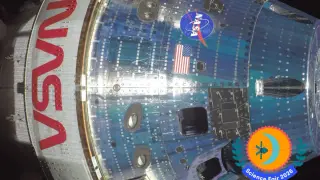
NASA’s Artemis 2 mission successfully validated the Orion spacecraft’s life support and reentry systems, marking the first crewed lunar flyby since the Apollo era. The four-person crew completed a 10-day journey around the Moon, demonstrating that the vehicle can safely return astronauts to Earth. A redesigned reentry profile prevented the severe heat shield damage seen in the uncrewed Artemis 1 test, ensuring the capsule remained structurally sound. This success clears a critical hurdle for future lunar landings, with Artemis 3 now scheduled to test commercial landers in 2027.
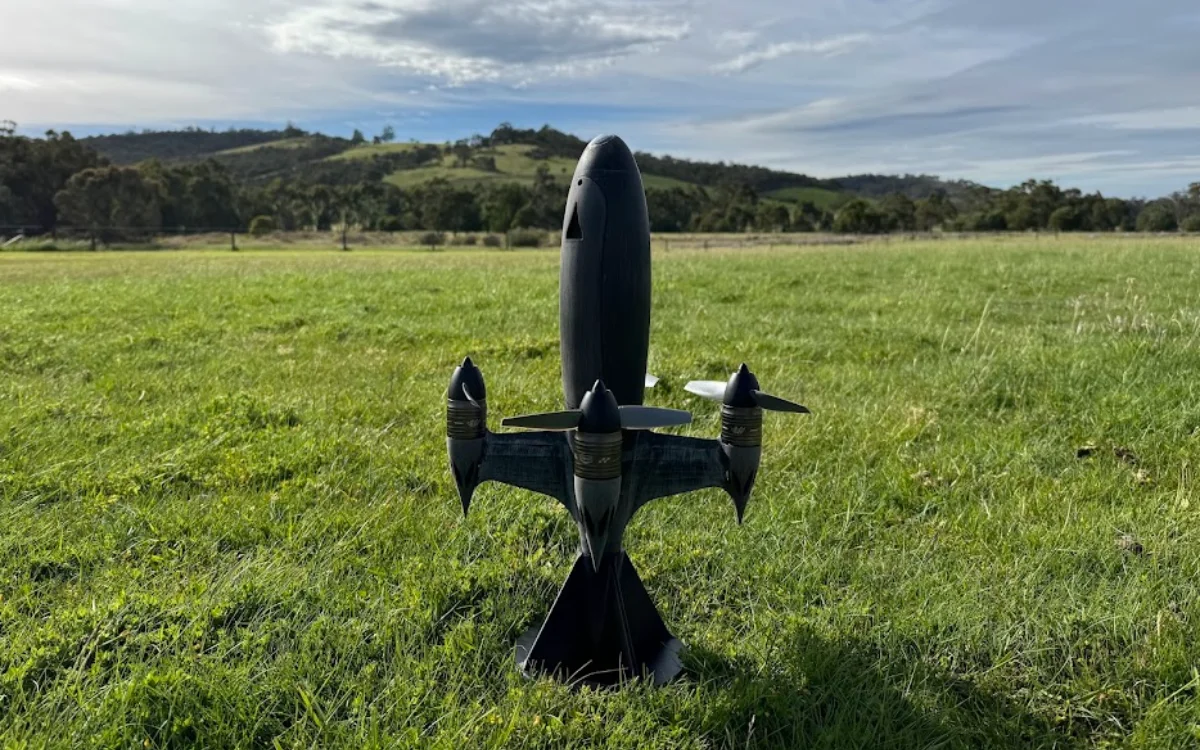
An Australian aerospace engineer, Ben Biggs, built a lightweight drone that set a Guinness World Record by reaching speeds of over 388mph, making it the fastest drone on Earth, after several months of design and testing.
A team of students from the University of Southern California's Rocket Propulsion Lab set a new altitude record for a student-built rocket, launching Aftershock II to 470,000 feet, surpassing the previous record by 90,000 feet. The rocket, launched from Nevada's Black Rock Desert, reached Mach 5.5 and became the first non-governmental rocket to achieve such a height. This achievement highlights the students' innovative engineering, including advancements in thermal protection and avionics, and marks a significant milestone in amateur rocketry.
China is advancing its Mars sample return mission with a new lightweight device designed to capture Martian rock samples in orbit. The 12kg module, developed by the Institute of Aerospace System Engineering in Shanghai, will catch a sample container ejected into orbit by an ascent vehicle. This container, filled with rocks collected from Mars' surface, will be secured and transferred into a storage vessel for its journey back to Earth. The device has been tested to ensure it can adapt to various entry angles and positions, overcoming the mass limitations of traditional docking mechanisms.
A SpaceX Starship Raptor engine exploded during a test at the McGregor, Texas facility, highlighting the risks and iterative nature of rocket development. No injuries were reported, and the incident will provide valuable data for improving the engine's design. Despite the setback, SpaceX remains committed to advancing its Starship program for deep space missions.
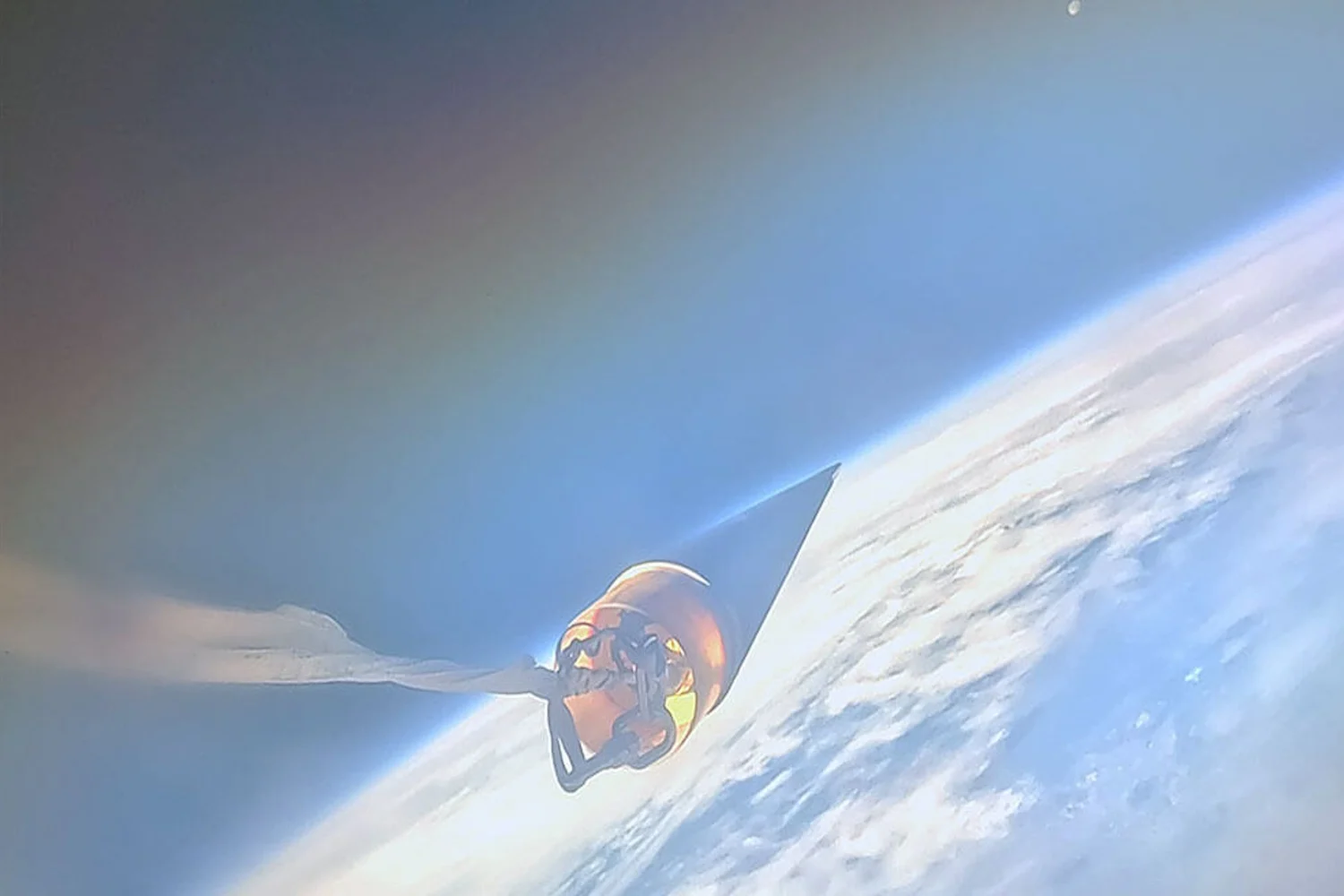
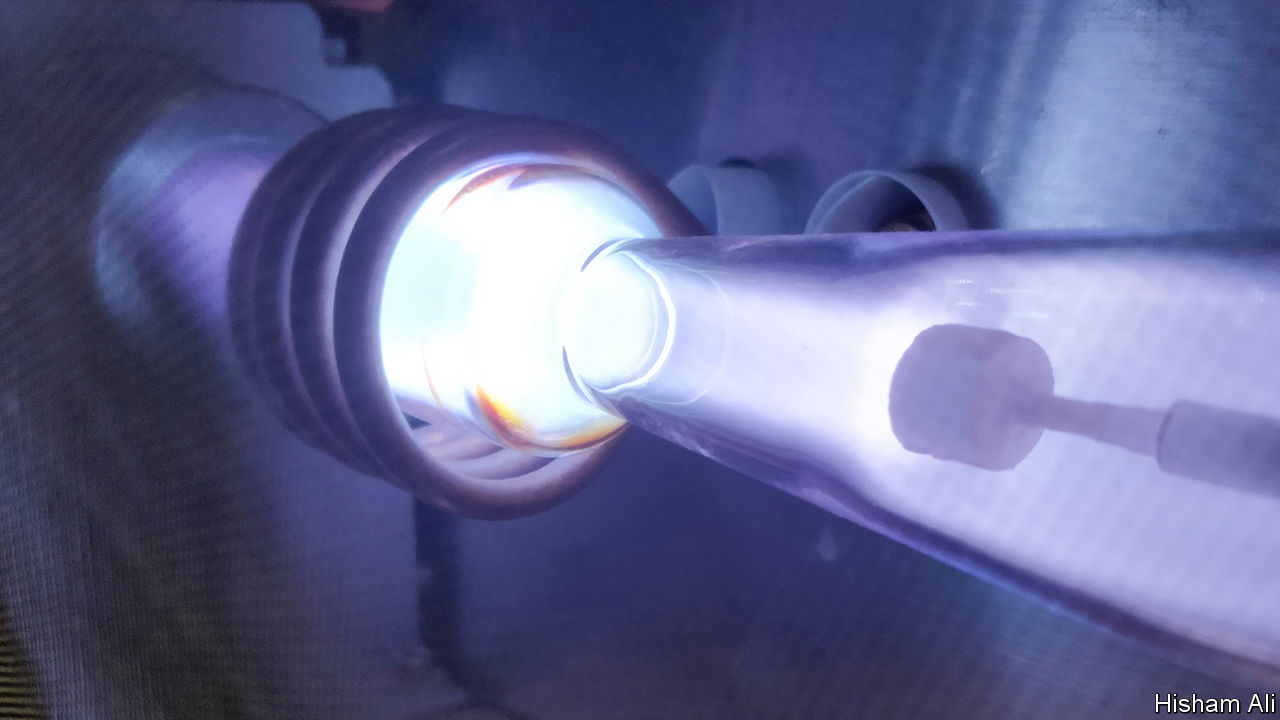
Researchers are exploring the challenges of steering hypersonic planes, which travel at more than five times the speed of sound, through plasma using magnetohydrodynamics to manipulate the flow pattern of electrically charged particles. Conventional control surfaces are not viable due to the forces and heat involved, prompting the need for a different approach. Dr. Hisham Ali and his team are building a plasma wind tunnel to test these ideas, with potential applications in spacecraft deceleration and military missile guidance. The feasibility of hypersonic passenger flight remains uncertain, but the research represents a step towards this possibility.
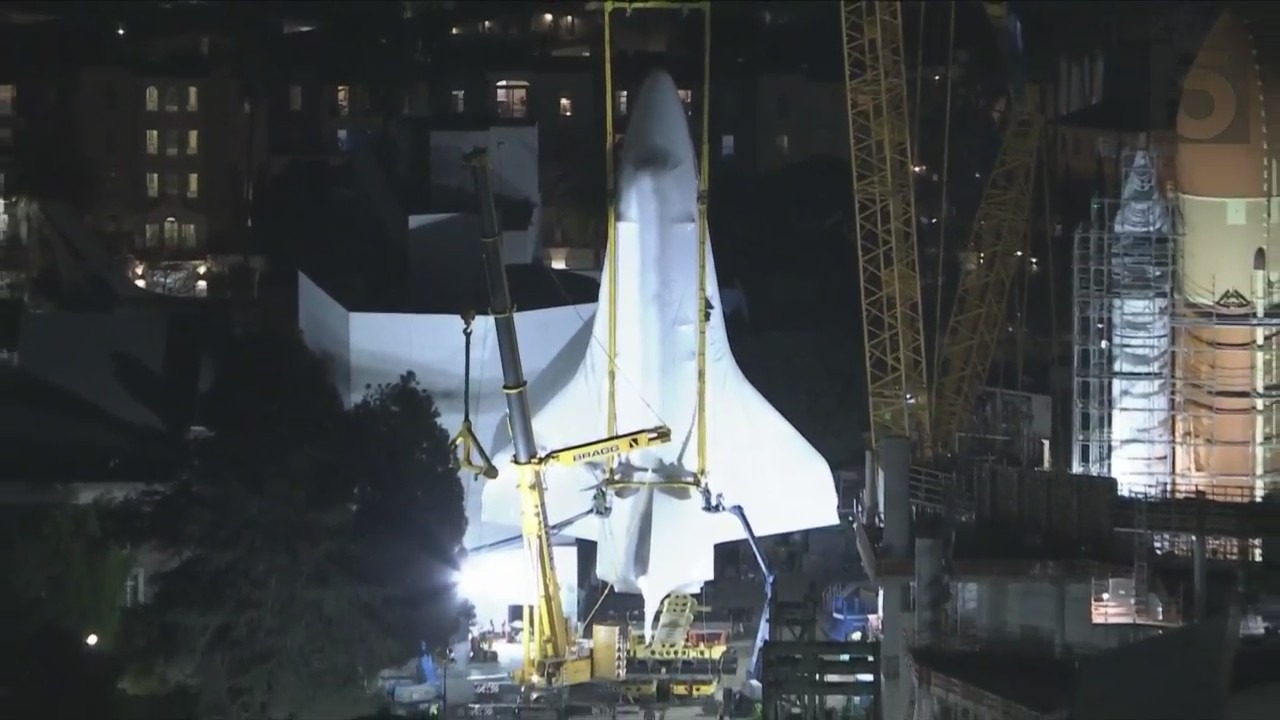
The California Science Center is in the process of hoisting the space shuttle Endeavour into a vertical launch position, a dream project that began 30 years ago. The shuttle, which completed 25 trips to space before its retirement in 2012, will become the centerpiece of the new Samuel Oschin Air and Space Center, doubling the Science Center’s educational exhibit space. Once completed, it will be the only place in the world where visitors can see a complete space shuttle system in launch position, showcasing real hardware and making space travel come to life for enthusiasts.
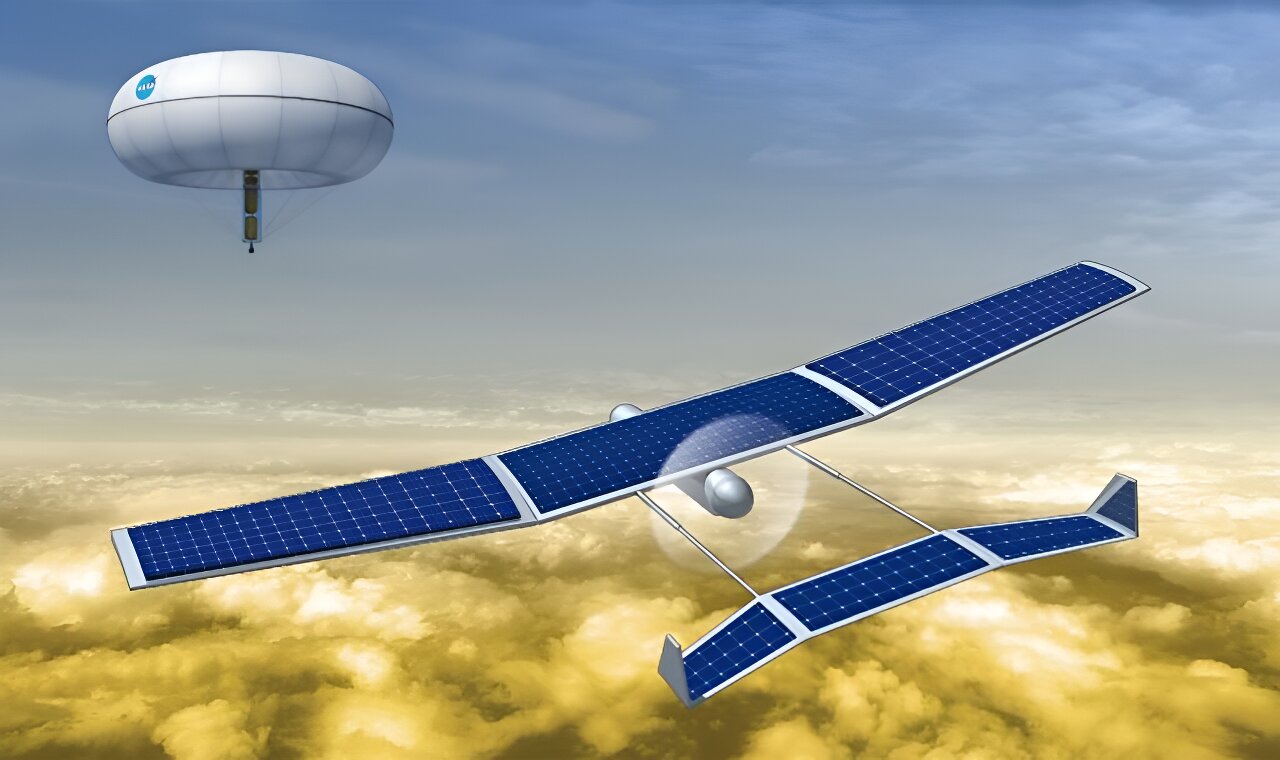
NASA has selected a sample return mission to Venus as part of its NASA Innovative Advanced Concepts (NIAC) program. The proposed concept, developed by aerospace engineer Geoffrey Landis and his colleagues at the NASA Glenn Research Center, involves a solar-powered aircraft that would generate propellant from Venus' atmosphere and deploy a sample-return rover to the surface. This mission aims to explore Venus' middle atmosphere, potentially leading to significant scientific discoveries and paving the way for future planetary exploration beyond Venus and Mars.
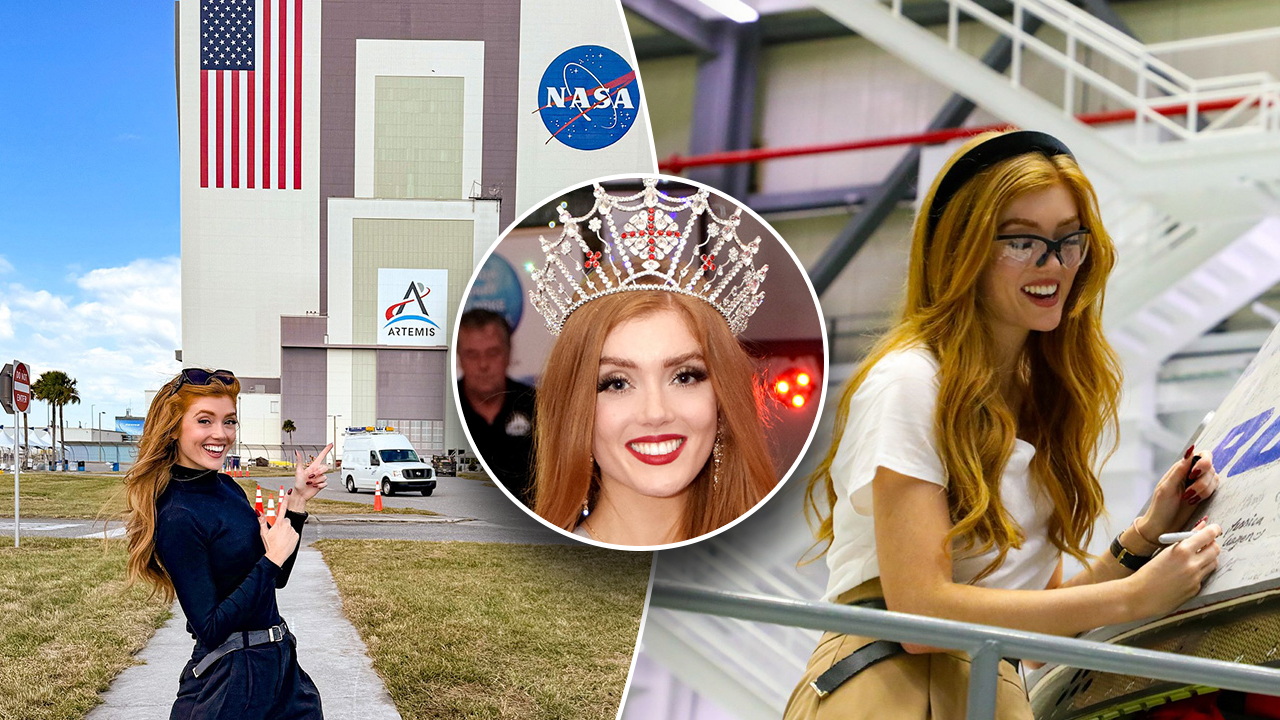
Jessica Gagen, also known as "Miss England," who holds a degree in aerospace engineering, fulfilled her dream of visiting NASA's Kennedy Space Center in Florida after expressing her desire to become an astronaut. As a keynote speaker at a conference organized by the International Space Station, Gagen spoke about women and children in STEM. During her visit, she toured the space shuttle design areas, witnessed rocket launches, and signed part of a space shuttle. Gagen aims to educate the next generation about STEM subjects and hopes to pursue a career in new technology while eagerly awaiting the opportunity to go to space. She is set to compete for the Miss World title in March 2024.
Josh Dobbs, former quarterback for the University of Tennessee, has made a name for himself in the NFL with his impressive skills on and off the field. Known for his dedication to academics and his passion for aerospace engineering, Dobbs has always been a high achiever. From taking advanced math classes in high school to interning at Pratt & Whitney during college, Dobbs has consistently shown his commitment to excellence. Despite facing challenges and limited playing time in the NFL, Dobbs has continued to impress with his preparation and performance. Now with the Minnesota Vikings, Dobbs recently led his team to a thrilling victory, showcasing his talent and determination. Those who know him are not surprised by his success, as they have witnessed his exceptional work ethic and character throughout his journey.
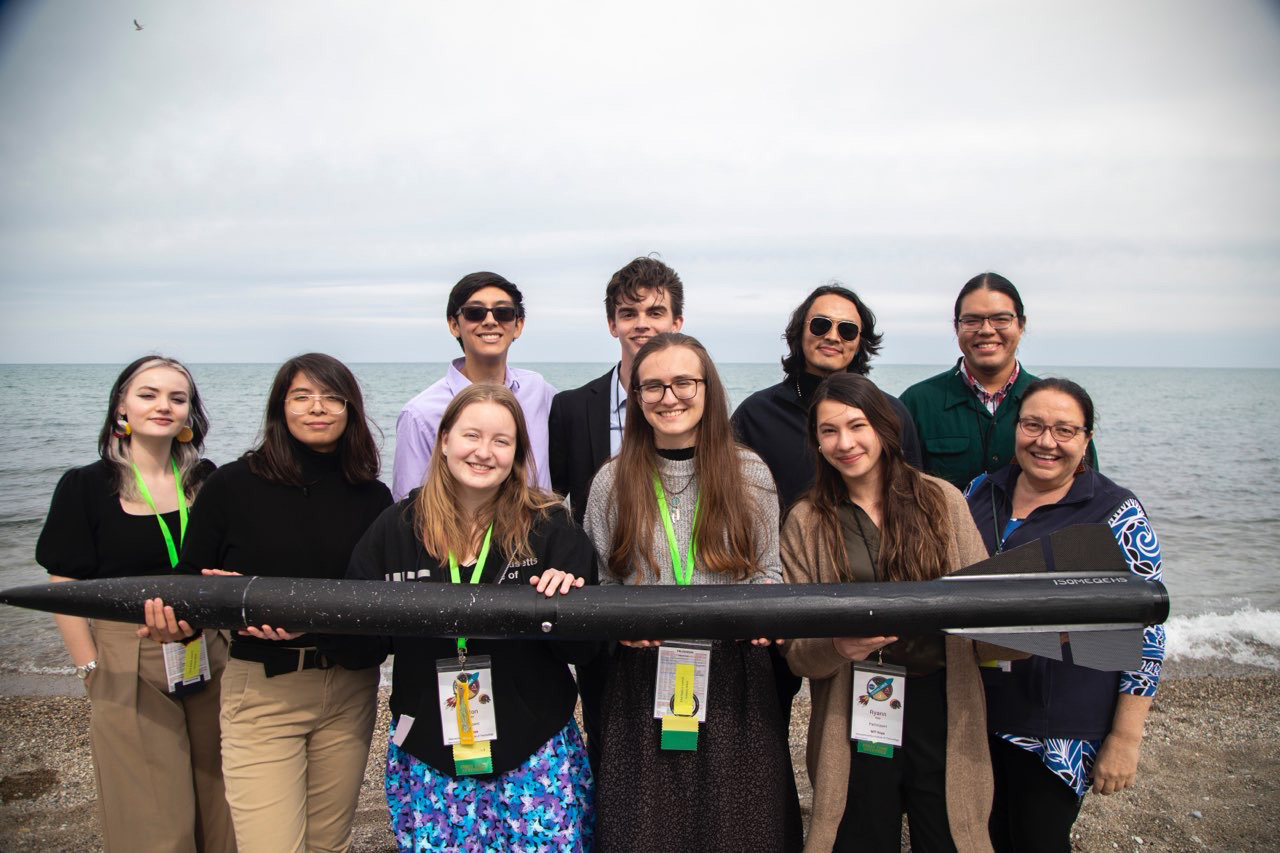
MIT's First Nations Launch team, consisting of an all-Indigenous group of students, participated in the 2023 First Nations Launch, an international NASA-Artemis Student Challenge focused on Indigenous representation in aerospace engineering. The team designed, built, and launched an 8-foot rocket made from scratch, ultimately receiving second place in the competition. The team's approach incorporates Indigenous values such as efficiency and respectful purpose. They are now preparing for the 2024 challenge and are actively engaged in outreach efforts to inspire Indigenous youth in STEM fields while maintaining their cultural ties.
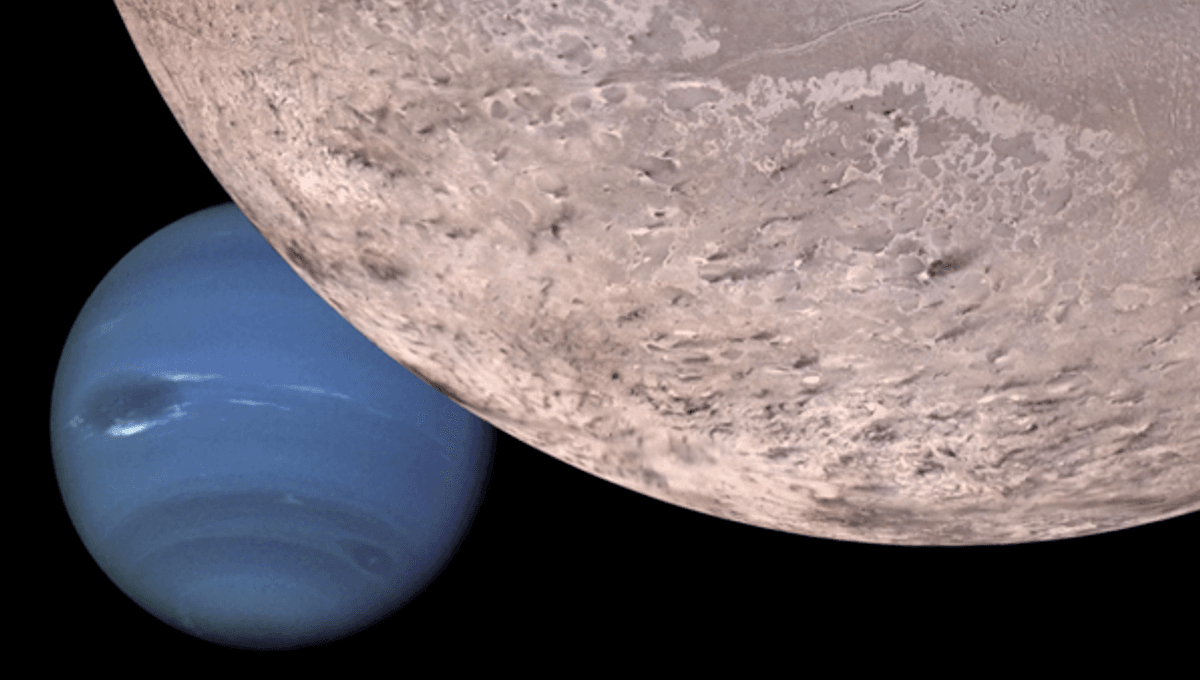
Aerospace engineers have proposed a cost-effective way to send a mission to study Neptune by using Triton's thin atmosphere for a braking maneuver. While the project remains expensive, it could spark conversations about future missions to the outer Solar System. The idea is to deploy a parachute or similar device to maximize drag and slow down the spacecraft as it passes through Triton's upper atmosphere, ultimately getting locked in Neptune's gravity well. Although challenging, this approach could significantly reduce travel time compared to other methods.
Jacob Killelea, an aerospace engineer with experience in space software projects, will be joining the Hackaday.io Hack Chat group to discuss the challenges and importance of writing software for space hardware. With the extreme conditions and high stakes involved, software for satellites must be carefully engineered to ensure the proper functioning of space systems. The live community event will take place on Wednesday, July 12 at 12:00 PM Pacific time.