
Soviet Luna 24 concludes robotic lunar sampling era with water-bearing soil return
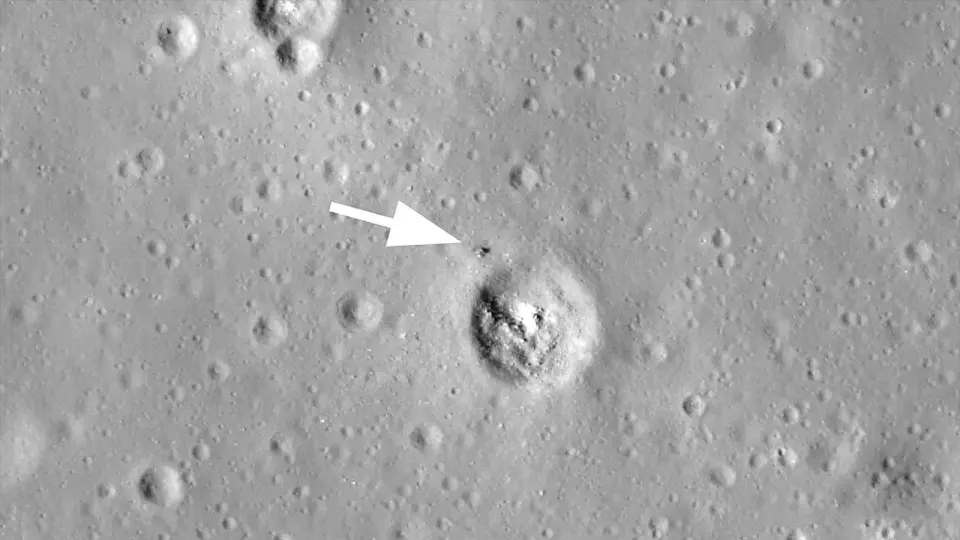
On August 9, 1976, the Soviet Union launched Luna 24, its final robotic lunar sample return mission. The probe landed in Mare Crisium nine days later, collected 170.1 grams of soil, and returned to Earth on August 22. Analysis revealed the samples contained 0.1% water by mass, marking a significant scientific finding for the era.
Key points
- Luna 24 launched from the Baikonur Cosmodrome on a Proton-K rocket on August 9, 1976.
- The mission was the third and final Soviet robotic sample return to the Moon.
- The probe landed in the Mare Crisium region, known as the 'Sea of Crises.'
- It collected 170.1 grams (6 ounces) of lunar soil.
- The samples returned to Earth on August 22, 1976.
- Analysis showed the soil contained approximately 0.1% water by mass.
Background
This mission concluded the Soviet robotic lunar program, which had previously achieved the first hard landing (Luna 2 in 1959) and the first soft landing (Luna 9 in 1966). While the US had ended its crewed Apollo program in 1973, the Soviet Union continued robotic exploration through the late 1970s. Modern sample return efforts, such as China's Tianwen-2 mission targeting asteroid Kamo’oalewa, continue the legacy of retrieving extraterrestrial materials for analysis.
Why it matters
Luna 24 marked the end of an era for Soviet lunar exploration, demonstrating that robotic missions could still yield significant scientific data, such as the detection of water in lunar soil, even after the conclusion of the crewed Space Race.
What to watch
No further Soviet lunar sample return missions were conducted. Modern space agencies continue to pursue sample return missions, with China's Tianwen-2 currently en route to return samples from a near-Earth asteroid to Earth in 2027.
Want the full story? Read the original reporting
Read on Space