
Unveiling China's Remarkable Lunar Discoveries: Hidden Structures on the Dark Side
TL;DR
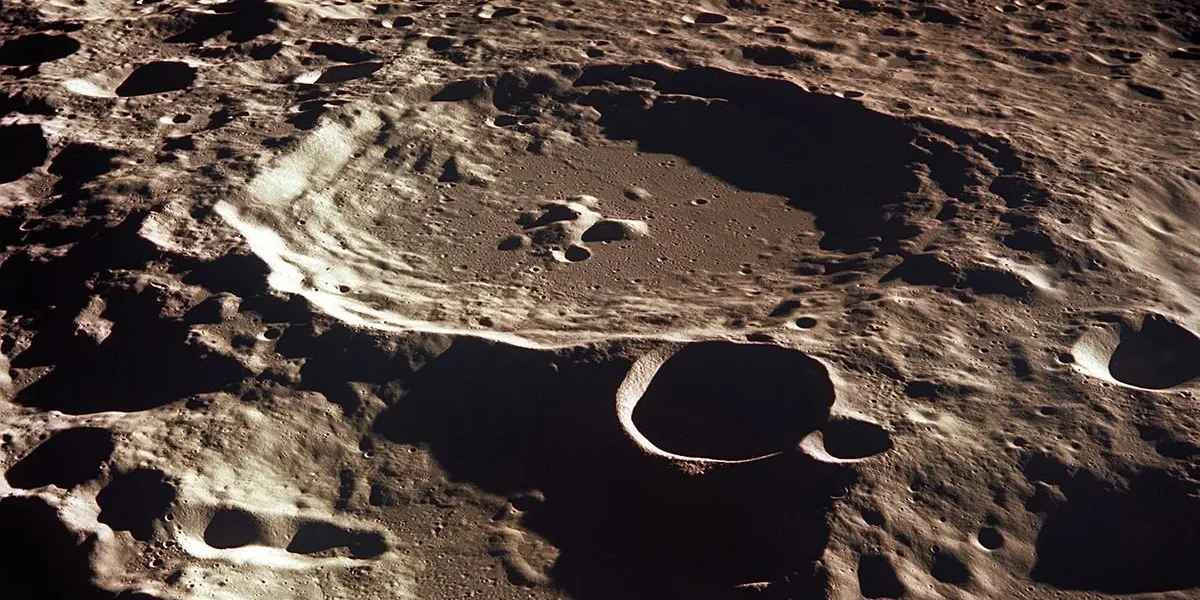
China's Chang'e-4 lander, the first spacecraft to land on the far side of the moon, has revealed new insights into the moon's geological history. The findings, published in the Journal of Geophysical Research: Planets, show that the top 130 feet of the lunar surface consists of layers of dust, soil, and broken rocks. Beneath this, researchers discovered five distinct layers of lunar lava that spread across the landscape billions of years ago. The data suggests that volcanic activity on the moon ceased between a billion and 100 million years ago, making it largely "geologically dead." However, there may still be magma buried deep beneath the lunar surface.
Topics:sciencespace-exploration#change-4#geology#lunar-surface#moon#space-exploration#volcanic-activity
Want the full story? Read the original reporting
Read on indy100