Tag

Change 4

All articles tagged with #change 4

Earth’s magnetosphere casts a radiation shadow near the Moon, study finds
science15 days ago

Earth’s magnetosphere casts a radiation shadow near the Moon, study finds

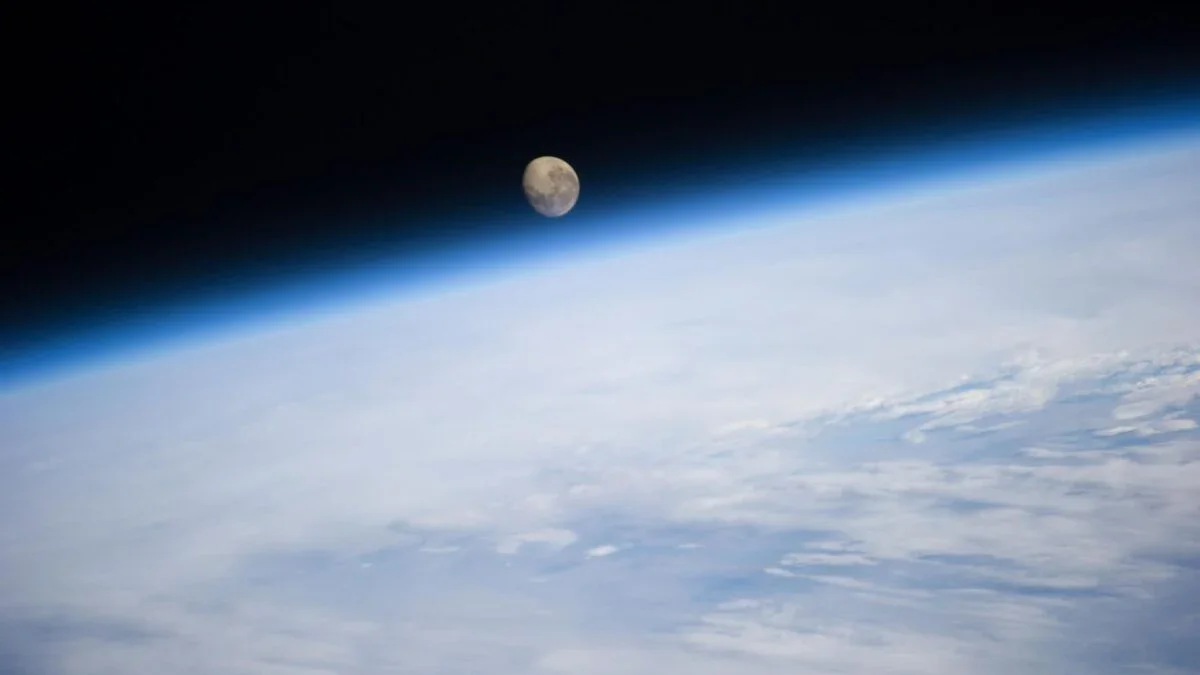
Scientists analyzing data from China’s Chang’e-4 lunar lander detected a localized ~20% dip in galactic cosmic rays during the Moon’s local morning, forming a radiation 'cavity' near the Moon likely carved by Earth's magnetic field. The result suggests Earth’s magnetosphere can influence space radiation beyond its immediate boundary and could help planners time surface activities to lower astronauts’ radiation exposure on future lunar missions.
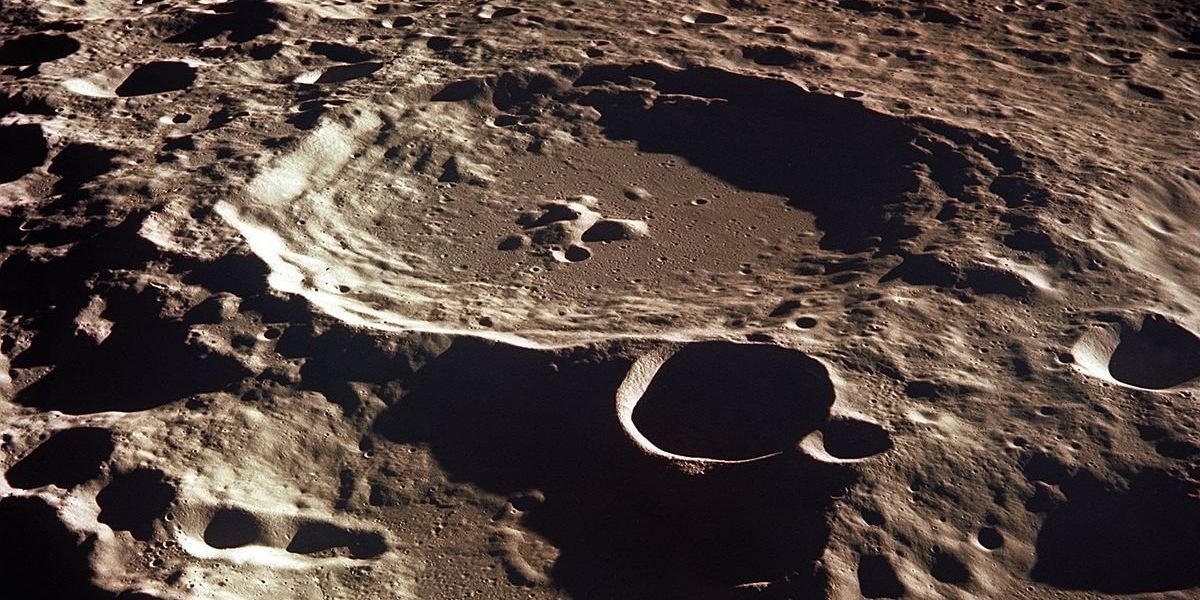
Earth's Hidden Magnetic Cavity Shields Moon From Cosmic Rays
science17 days ago

Earth's Hidden Magnetic Cavity Shields Moon From Cosmic Rays

A Science Advances study using Chang’e-4 data and NASA’s LRO observations finds that Earth’s magnetosphere forms an extended “cavity” that provides extra shielding for the Moon, reducing lunar surface radiation by about 20% during certain orbital phases—specifically in a pre-noon geometry—even when the Moon is outside the magnetosphere. The effect, mainly affecting low-energy ions that contribute to skin dose, was observed across 31 lunar cycles and could inform radiation protection for future missions, such as Artemis.

Unveiling the Hidden Structures Beneath the Dark Side of the Moon
space2 years ago

Unveiling the Hidden Structures Beneath the Dark Side of the Moon

China's Chang'e-4 lander, the first spacecraft to land on the far side of the moon, has provided new insights into the moon's geological history. The findings reveal multiple layers of dust, soil, and broken rocks in the top 130 feet of the lunar surface, as well as five distinct layers of lunar lava that spread across the landscape billions of years ago. The data suggests that volcanic activity on the moon ceased between a billion and 100 million years ago, but there could still be magma buried deep beneath the lunar surface.

Unveiling the Hidden Structures Beneath the Dark Side of the Moon
space2 years ago

Unveiling the Hidden Structures Beneath the Dark Side of the Moon

China's Chang'e-4 lander, the first spacecraft to land on the far side of the moon, has provided new insights into the moon's geological history. The findings reveal multiple layers of dust, soil, and broken rocks in the top 130 feet of the lunar surface, as well as five distinct layers of lunar lava that spread across the landscape billions of years ago. The data suggests that volcanic activity on the moon ceased between a billion and 100 million years ago, but there could still be magma buried deep beneath the lunar surface.

Unveiling the Hidden Structures Beneath the Dark Side of the Moon
space2 years ago

Unveiling the Hidden Structures Beneath the Dark Side of the Moon

China's Chang'e-4 lander, the first spacecraft to land on the far side of the moon, has provided new insights into the moon's geological history. The findings reveal multiple layers of dust, soil, and broken rocks in the top 130 feet of the lunar surface, as well as five distinct layers of lunar lava that spread across the landscape billions of years ago. The data suggests that volcanic activity on the moon ceased between a billion and 100 million years ago, but there could still be magma buried deep beneath the lunar surface.

Unveiling the Hidden Structures Beneath the Dark Side of the Moon
space2 years ago

Unveiling the Hidden Structures Beneath the Dark Side of the Moon

China's Chang'e-4 lander, the first spacecraft to land on the far side of the moon, has provided new insights into the moon's geological history. The findings reveal multiple layers of dust, soil, and broken rocks in the top 130 feet of the lunar surface, as well as five distinct layers of lunar lava that spread across the landscape billions of years ago. The data suggests that volcanic activity on the moon ceased between a billion and 100 million years ago, but there could still be magma buried deep beneath the lunar surface.

Unveiling China's Astonishing Lunar Discoveries
space-exploration2 years ago

Unveiling China's Astonishing Lunar Discoveries

China's Chang'e-4 lander, the first spacecraft to land on the far side of the moon, has revealed new insights into the moon's geological history. The findings, published in the Journal of Geophysical Research: Planets, show that the top 130 feet of the lunar surface consists of layers of dust, soil, and broken rocks. Beneath this, researchers discovered five distinct layers of lunar lava that spread across the landscape billions of years ago. The data suggests that volcanic activity on the moon ceased between a billion and 100 million years ago, making it largely "geologically dead." However, there may still be magma buried deep beneath the lunar surface.

Unveiling China's Astonishing Lunar Discoveries
space-exploration2 years ago

Unveiling China's Astonishing Lunar Discoveries

China's Chang'e-4 lander, the first spacecraft to land on the far side of the moon, has revealed new insights into the moon's geological history. The findings, published in the Journal of Geophysical Research: Planets, show that the top 130 feet of the lunar surface consists of layers of dust, soil, and broken rocks, with a crater hidden within. Beneath this, five distinct layers of lunar lava were discovered, indicating volcanic activity billions of years ago. The moon's volcanic activity is believed to have ceased between one billion and 100 million years ago, but the possibility of magma still existing deep beneath the surface remains.

Unveiling China's Astonishing Lunar Discoveries
space-exploration2 years ago

Unveiling China's Astonishing Lunar Discoveries

China's Chang'e-4 lander, the first spacecraft to land on the far side of the moon, has revealed new insights into the moon's geological history. The findings, published in the Journal of Geophysical Research: Planets, show that the top 130 feet of the lunar surface consists of layers of dust, soil, and broken rocks, with a crater hidden within. Beneath this, five distinct layers of lunar lava were discovered, indicating volcanic activity billions of years ago. The moon's volcanic activity is believed to have ceased between one billion and 100 million years ago, but the possibility of magma still existing deep beneath the surface remains.

Unveiling the Hidden Layers of the Moon: Rover's Surprising Discovery
space-science2 years ago

Unveiling the Hidden Layers of the Moon: Rover's Surprising Discovery

The Chang'e-4 lunar rover has revealed multiple layers of hardened lava beneath the Moon's surface, indicating a series of basalt eruptions that occurred billions of years ago. The layers, detected using lunar penetrating radar, suggest a gradual depletion of internal thermal energy that drove lunar volcanism over time. Thicker layers were found deeper down, while they thinned towards the surface. The findings provide further insights into the Moon's volcanic history and support recent discoveries of prolonged lunar volcanic activity. However, the timing of these volcanic events remains unknown, and the interpretation of low-frequency lunar penetrating radar data continues to be debated among space scientists.

Unveiling China's Astonishing Lunar Discoveries
space-exploration2 years ago

Unveiling China's Astonishing Lunar Discoveries

China's Chang'e-4 lander, the first spacecraft to land on the far side of the moon, has revealed new insights into the moon's geological history. The findings, published in the Journal of Geophysical Research: Planets, show that the top 130 feet of the lunar surface consists of layers of dust, soil, and broken rocks, with a crater hidden within. Beneath this, five distinct layers of lunar lava were discovered, indicating volcanic activity billions of years ago. The moon's volcanic activity is believed to have ceased between one billion and 100 million years ago, but the possibility of magma still existing deep beneath the surface remains.

Unveiling China's Remarkable Lunar Discoveries: Hidden Structures on the Dark Side
space-exploration2 years ago

Unveiling China's Remarkable Lunar Discoveries: Hidden Structures on the Dark Side

China's Chang'e-4 lander, the first spacecraft to land on the far side of the moon, has revealed new insights into the moon's geological history. The findings, published in the Journal of Geophysical Research: Planets, show that the top 130 feet of the lunar surface consists of layers of dust, soil, and broken rocks. Beneath this, researchers discovered five distinct layers of lunar lava that spread across the landscape billions of years ago. The data suggests that volcanic activity on the moon ceased between a billion and 100 million years ago, making it largely "geologically dead." However, there may still be magma buried deep beneath the lunar surface.

China's Lunar Rover Uncovers Mysterious Subsurface Structures on Dark Side of Moon
space-science2 years ago

China's Lunar Rover Uncovers Mysterious Subsurface Structures on Dark Side of Moon

China's Chang'e-4 spacecraft, which landed on the far side of the moon in 2018, has used its Lunar Penetrating Radar (LPR) to map the upper 1,000 feet of the moon's surface in unprecedented detail. The data reveals billions of years of hidden lunar history, including multiple layers of dust, soil, broken rocks, and five distinct layers of lunar lava. The findings suggest that the moon's volcanic activity slowed down over time, indicating that it is geologically "dead." However, there could still be magma deep beneath the lunar surface. Scientists hope that future missions will uncover more unexpected geological formations.

China's Rover Uncovers Mysterious Structures on Dark Side of the Moon
space-science2 years ago

China's Rover Uncovers Mysterious Structures on Dark Side of the Moon

China's Chang'e-4 spacecraft, which landed on the far side of the moon in 2018, has used its Lunar Penetrating Radar (LPR) to map the upper 1,000 feet of the lunar surface in unprecedented detail. The data reveals billions of years of hidden lunar history, including multiple layers of dust, soil, broken rocks, and five distinct layers of lunar lava. The findings suggest that the moon's volcanic activity slowed down over time, with less lava flowing in later eruptions. While the moon is considered "geologically dead," there could still be magma deep beneath its surface. The researchers hope to uncover more unexpected geological formations in the future.