
Collecting Signs of Life: Exploring Saturn's Moon Enceladus with Spacecraft
TL;DR
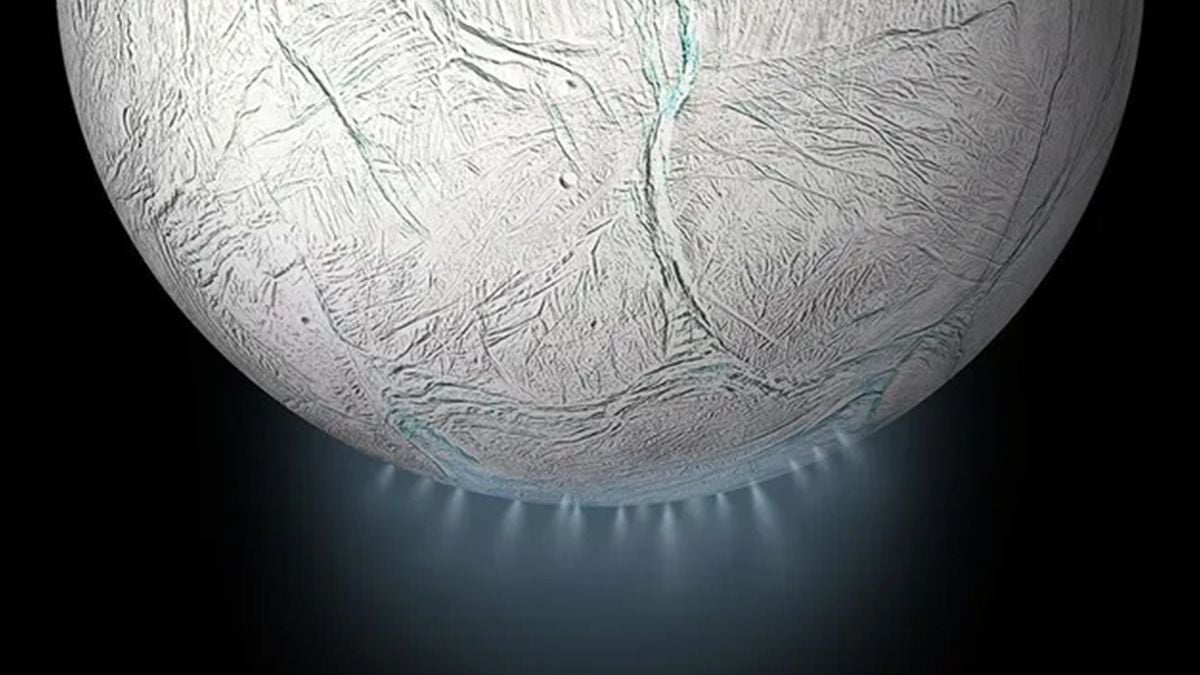
Scientists have discovered that amino acids within ice grains from Saturn's moon Enceladus can survive impact speeds of up to 9,400 mph, making it possible to collect undamaged ice grains that may contain organic molecules and signs of life. The findings have implications for future missions to other water-bearing moons, such as Jupiter's Europa, where similar amino acids may exist.
Topics:sciencespace-science#amino-acids#ice-grains#organic-molecules#saturns-moon-enceladus#space-science#spacecraft
Want the full story? Read the original reporting
Read on Livescience.com