
AI flags 11,554 exoplanet candidates, potentially tripling known alien worlds
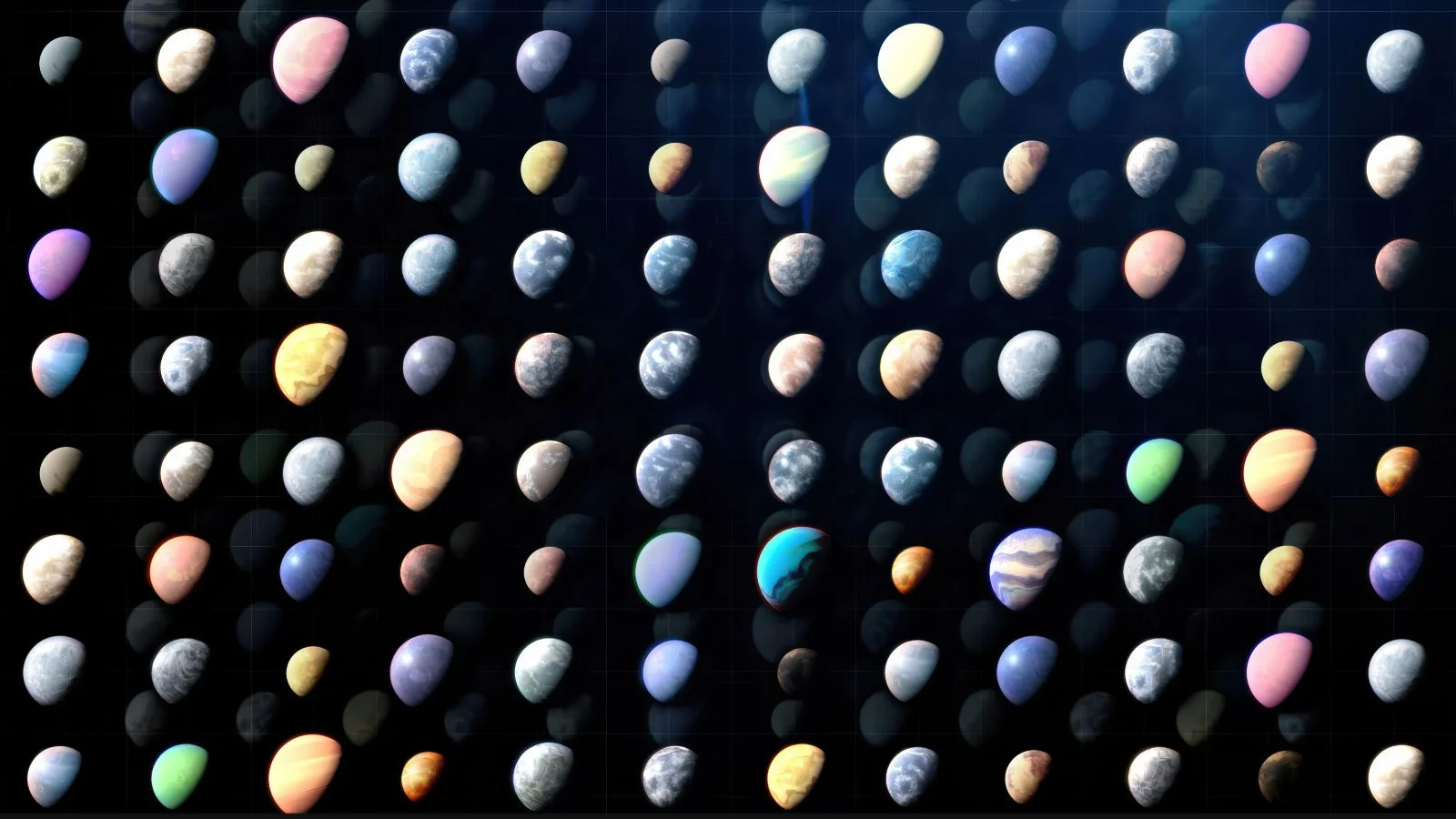
A new arXiv study uses a machine‑learning algorithm to sift through 83,717,159 stars observed by NASA’s TESS, uncovering 11,554 exoplanet candidates (10,052 of which are newly identified) with orbital periods from 0.5 to 27 days. Researchers even confirmed a hot Jupiter, TIC 183374187 b, with the Magellan telescope, validating the method. If these candidates are verified by independent surveys, the total number of known exoplanets could rise to about 18,000, nearly triple the current count. Most candidates lie around very faint stars and require extensive follow‑up; the work posted on arXiv on April 20 has not yet been peer‑reviewed. While many candidates are unlikely to host life due to their close orbits, this study dramatically expands the census of exoplanets and demonstrates the power of machine‑learning in astronomy.
- Scientists identify 10,000 'impossible' exoplanet candidates, potentially tripling the number of known alien worlds Live Science
- The Planet Haul That Changes Everything. Universe Today
- 10,000 new planets found hidden in NASA telescope data New Scientist
- 10,000 new planets? Researchers find hidden worlds in NASA telescope data KXAN Austin
- 10,091 New Exoplanet Candidates Found In Largest Single Discovery Yet – “I'm Really Excited For The Future Of The Field” IFLScience
Reading Insights
0
40
60 min
vs 61 min read
99%
12,045 → 128 words
Want the full story? Read the original article
Read on Live Science