
Ancient Martian Clay Reveals Long-Lived Organic Chemistry
TL;DR
In a 3.5-billion-year-old clay-rich rock from Gale Crater, Curiosity detected 21 carbon-based molecules, including a nitrogen-containing ring linked to prebiotic chemistry, demonstrating ancient Martian sediments can preserve complex organics for billions of years. Using the SAM instrument with a TMAH wet-chemistry method, seven molecules were confirmed as new detections on Mars, suggesting these organics may be fragments from larger material and highlighting preservation as a key story for future missions.
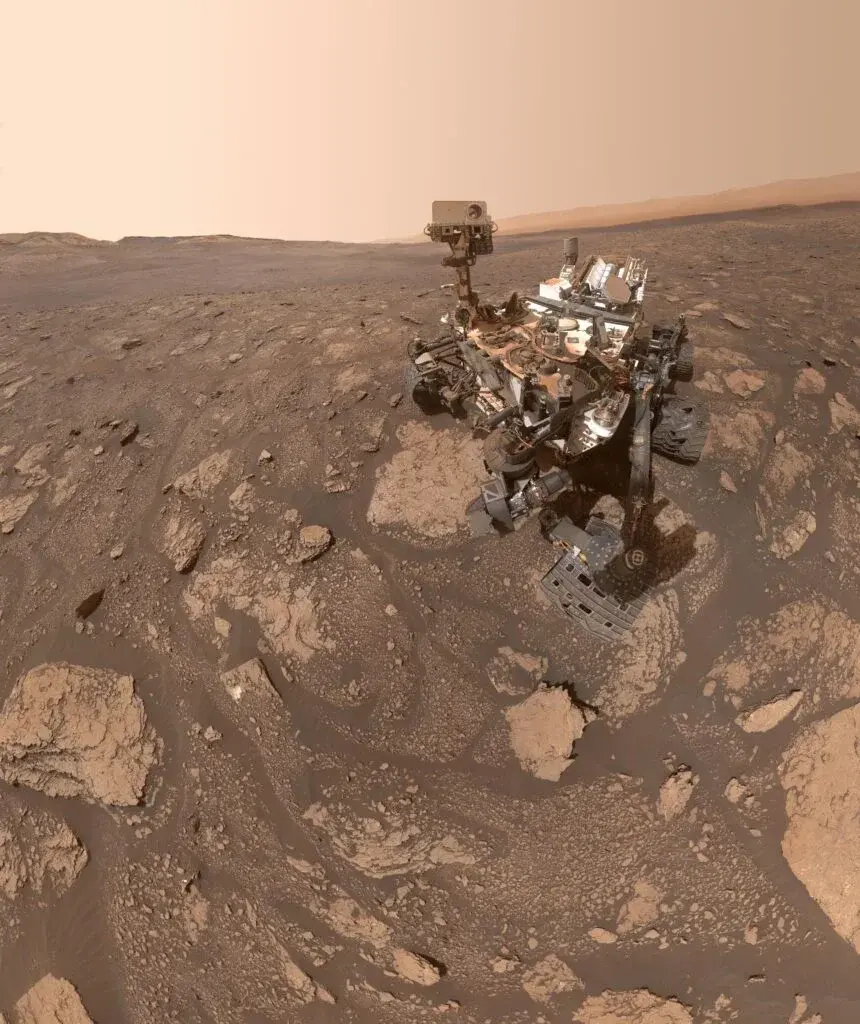
In a 3.5-billion-year-old clay-rich rock from Gale Crater, NASA’s Curiosity rover identified 21 carbon-based molecules — including a nitrogen-bearing ring structure linked to the chemistry that can precede RNA and DNA — showing that ancient Martian sedime Space DailySee more headlines & perspectives on Google News
Want the full story? Read the original reporting
Read on Space Daily