
Captured V-2 Camera’s 1946 Flight Gave Earth Its First View from Space
TL;DR
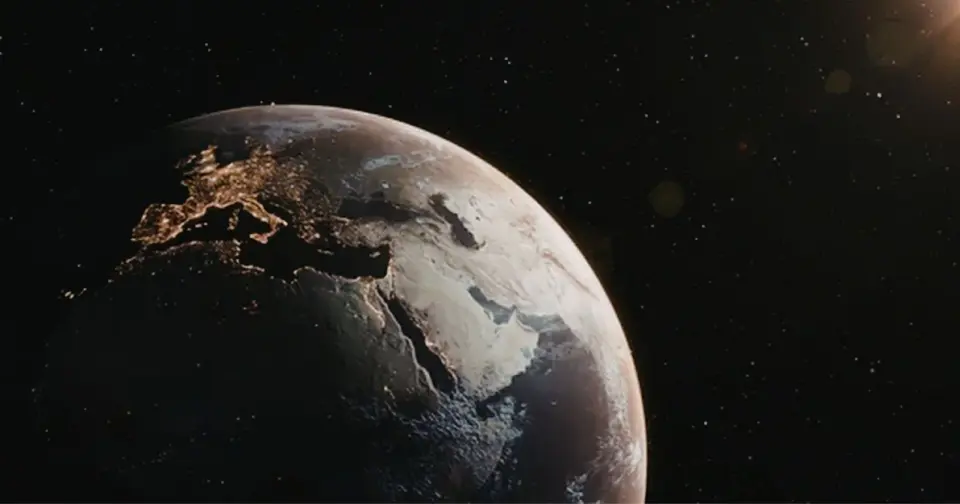
In 1946, a captured German V-2 rocket carrying a 35mm DeVry camera reached about 105 kilometers over White Sands, producing the first photographs of Earth from space. The grainy frames showed Earth's curvature and horizon against black sky, predating any formal boundary for space—the Kármán line—by decades. The camera survived the mission, while the rocket and many of its builders did not, and the achievement is often credited to Clyde Holliday and the Johns Hopkins APL team who adapted gear meant for other uses to peer into the upper atmosphere.
Want the full story? Read the original reporting
Read on Space Daily