
Curiosity rover inspects 'Nazca' site with disk-shaped crystals before drilling
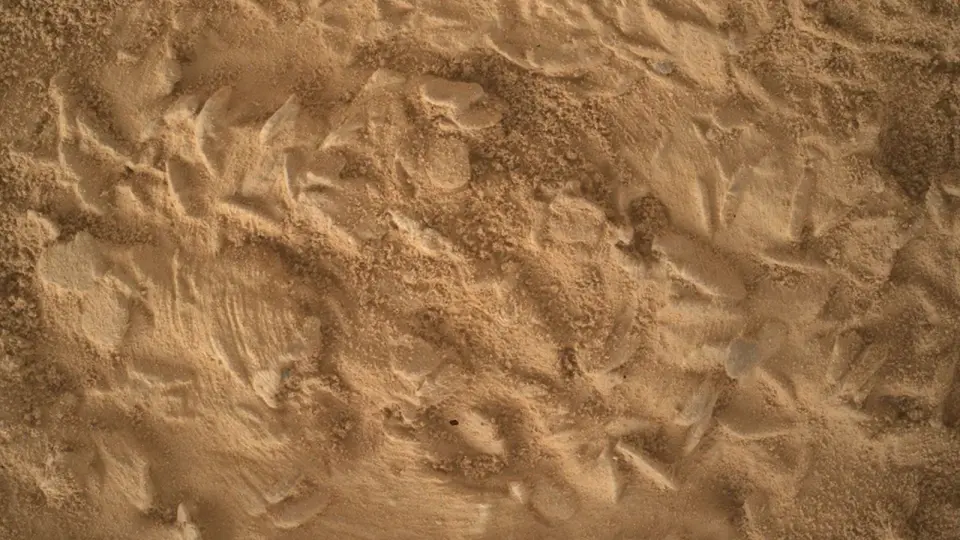
NASA's Curiosity rover captured a close-up image of its next drill target, informally named 'Nazca,' on October 18, 2026. The photo, taken by the Mars Hand Lens Imager (MAHLI), reveals numerous disk-shaped potential crystal formations. Scientists plan to analyze the surface composition thoroughly before drilling to compare it with deeper layers. The size of these crystals may offer clues about past temperatures, salt abundance, and fluid presence on Mars, though mineral replacement could complicate the data.
Key points
- Curiosity used its MAHLI instrument on October 18, 2026, to image the 'Nazca' drill site.
- The image shows abundant disk-shaped potential crystal forms at the target location.
- Researchers will characterize the surface composition before drilling to compare it with subsurface material.
- Crystal sizes may indicate historical temperatures and the abundance of salts and fluids.
- The site is named after the ancient South American civilization known for large ground designs.
Background
This activity continues Curiosity's ongoing exploration of Mount Sharp, where the rover has climbed over one kilometer since landing in 2012. Recent archive reports highlight the rover's focus on wind-carved yardangs and mysterious geological layers, with plans to reach specific formations by 2027 or 2028. The current drilling target represents another step in analyzing the mountain's stratigraphy to understand Mars's past climate and water history.
Why it matters
Understanding the formation and composition of these crystals helps reconstruct the environmental conditions of ancient Mars, including temperature ranges and the availability of water and salts. Comparing surface and subsurface compositions can reveal how minerals have changed over time, providing insights into the planet's geological and climatic evolution.
What to watch
The Curiosity team will complete the surface characterization of the 'Nazca' site before initiating the drilling process. Subsequent analysis will compare the surface findings with the deeper material to determine if mineral replacement has occurred and to refine models of past Martian environments.
Want the full story? Read the original reporting
Read on Space