
Cygnus XL Boosts ISS Orbit to Prepare for Progress 96 Docking
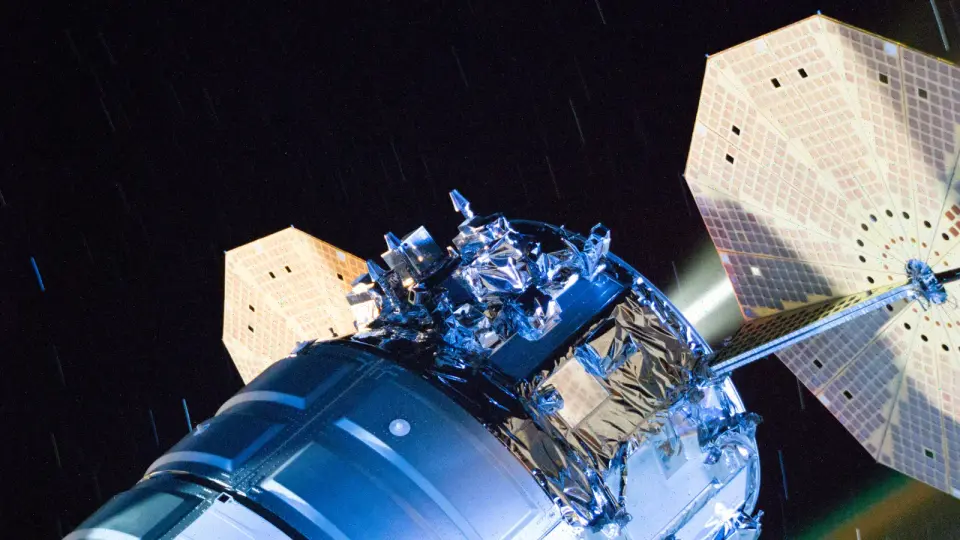
Northrop Grumman’s Cygnus XL cargo spacecraft fired its engines on August 27 to raise the International Space Station’s orbit. This routine maneuver positioned the station for the upcoming docking of the Russian Progress 96 resupply vehicle, demonstrating the cooperative nature of orbital logistics.
Key points
- On August 27, the Cygnus XL spacecraft, docked to the ISS Unity module, activated its engines to perform an orbital boost.
- The maneuver raised the station’s altitude to a specific position required for the rendezvous of the Progress 96 cargo ship.
- Progress 96 is the 96th mission in the Russian Progress series and will deliver water, fuel, food, and scientific instruments.
- The image featured in the report shows the Cygnus spacecraft, named after the swan constellation, attached to the station during the push.
Background
The International Space Station regularly requires orbital adjustments to maintain its altitude and facilitate docking with visiting spacecraft. Recent archive entries highlight ongoing activities on the station, including the sixth all-female spacewalk conducted by NASA’s Jessica Meir and ESA’s Sophie Adenot on September 1, and the arrival of SpaceX’s Crew-12 for Expedition 75. These events underscore the continuous operational tempo and international cooperation required to sustain the ISS, where cargo missions like Cygnus and Progress are critical for resupply and maintenance.
Why it matters
This maneuver illustrates the precision and cooperation required in orbital operations, where one spacecraft assists another to ensure safe and timely docking. It highlights the routine yet critical nature of maintaining the ISS’s orbit to support continuous human presence in space and the delivery of essential supplies and scientific equipment.
What to watch
The Progress 96 spacecraft is expected to dock with the International Space Station in the coming days, following the successful orbital adjustment. The station will continue to receive regular resupply missions and crew rotations, maintaining its operational status for ongoing scientific research and exploration.
Want the full story? Read the original reporting
Read on Space